East Course
Merion Golf Club


About this course
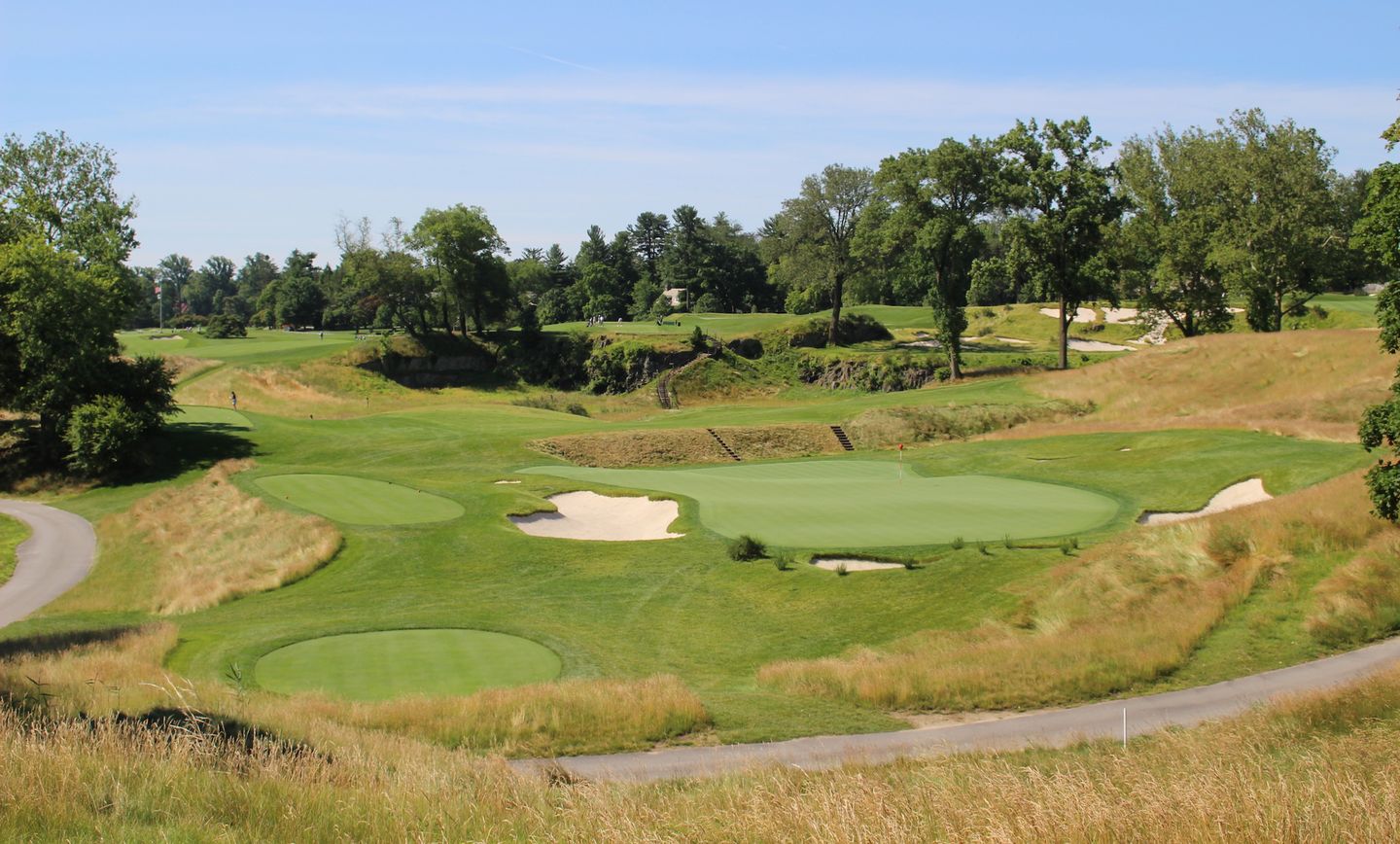
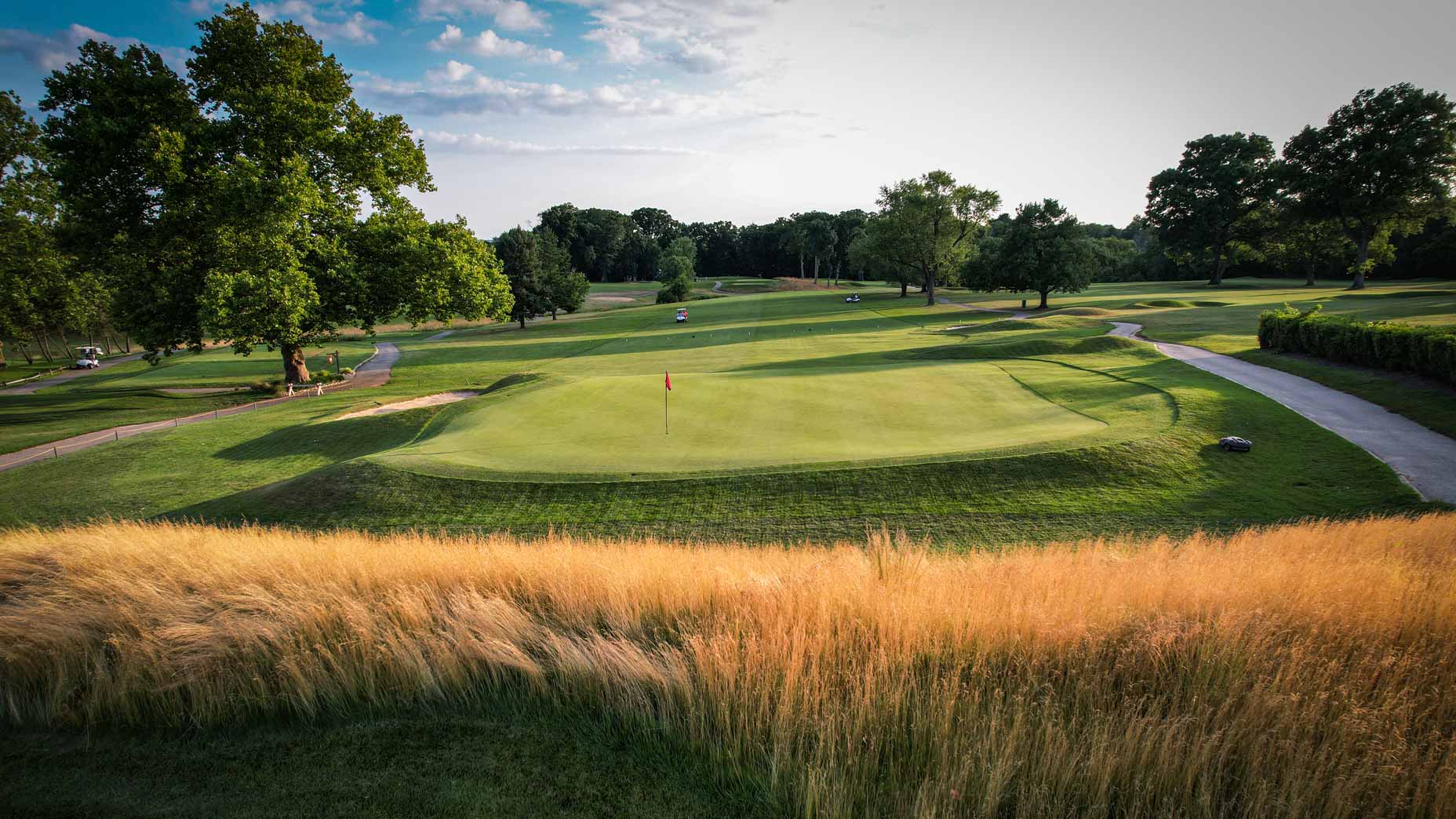
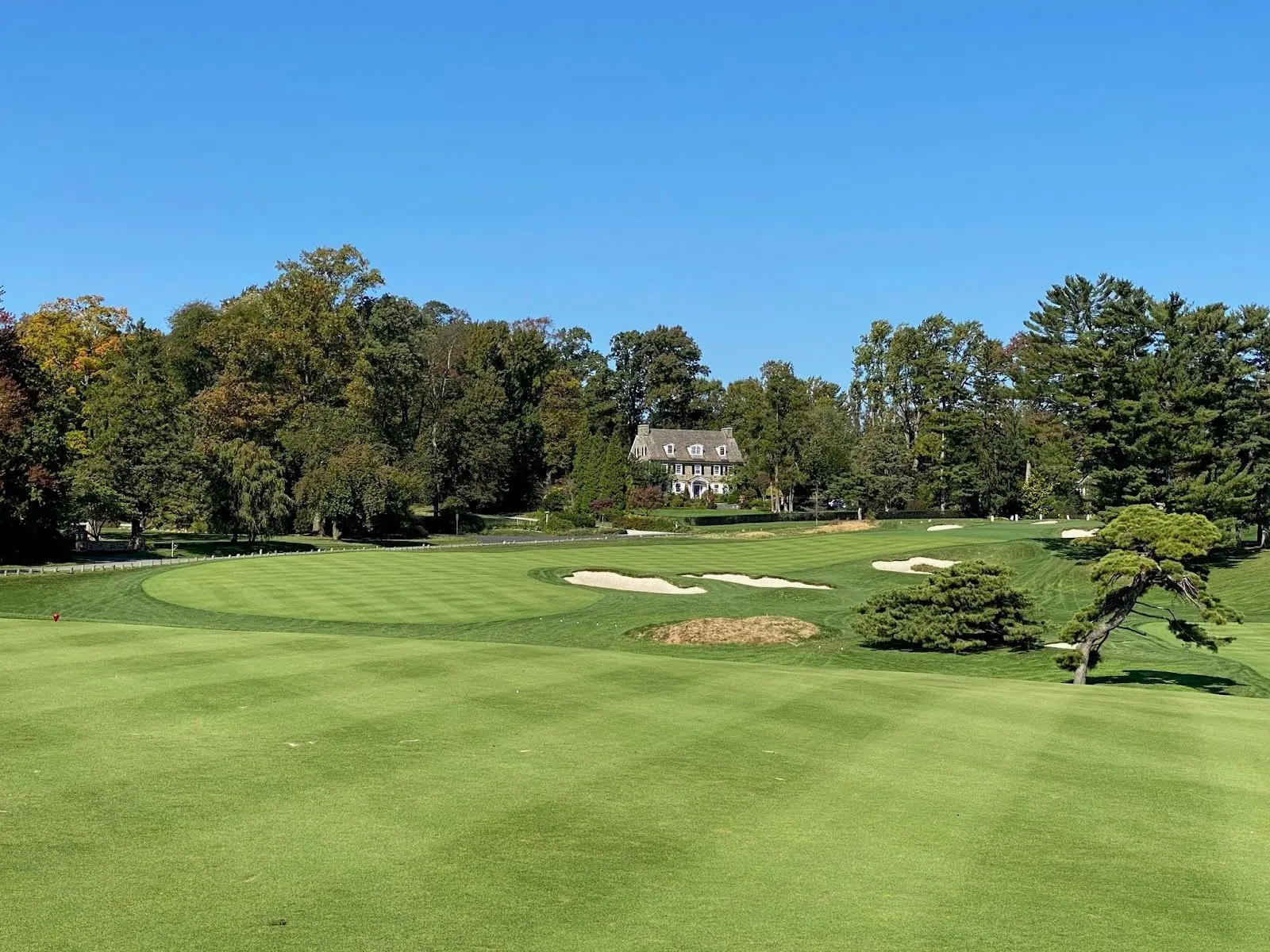
Merion began in a city that still loved cricket. The club was founded in 1865 for cricket, grass-court tennis and squash, and Philadelphians even sent touring cricket teams to England. Then the golf bug crossed the country in the 1890s, and by 1896 members were playing a nine-hole course laid out by the Scottish professional Willie Campbell. In 1910 the club took new land in Ardmore and wanted something serious. They talked with Herbert Barker, then with C.B. Macdonald and H.J. Whigham, and in the end trusted one of their own: Hugh Wilson, leader of the Special Construction Committee and an amateur at the craft. Wilson spent seven months in Britain, came home full of ideas, and built the East Course, which opened to enthusiastic reviews in 1912. The ground is not dramatic. Jack Nicklaus called Merion a park-type course set in the suburbs on pleasant rolling terrain, nowhere near as picturesque as Augusta National or as majestic as Pebble Beach. Then he named what made it exceptional: what Wilson did with that terrain. Each of the eighteen holes, he said, has its own personality, and each requires you to use your head to make par. It is lay-of-the-land design with one of the world's great routings. Long holes sit beside short and medium ones, and on nearly every tee the player faces a real decision. David Rossiter, who plays it several times a year, put it simply: at Merion you truly use every club in the bag. Wilson did not finish alone. In 1913 William Flynn arrived as head greenkeeper, and over the next two decades he helped expand, toughen and refine the East, molding it into a thinking golfer's championship test. Nothing written about the course between 1912 and 1915 mentions the wicker baskets atop the pins, and Flynn applied for a patent on them in the summer of 1915. The club's best guess is that he conceived them and persuaded Wilson to use them that season. The next year's U.S. Amateur gave them a great deal of attention. Robert Trent Jones saw something seaside in this inland course, in greens framed by mounds of sand and sod, the white faces running together. He believed those green complexes explained why Merion kept its snap while most courses of its vintage lost theirs. Rossiter knows the other side of that beauty: pitched, undulating greens where a huge number can arrive in a blink, and rough so penal it has sprained wrists. Find it a couple of times early, he warned, and you spend the rest of the day steering with both hands, bogey after bogey. Then there is the quarry, a rugged limestone landform on the sixteenth, seventeenth and eighteenth, dug out and abandoned long before the course or the neighborhood existed. Many have called Merion's final five the finest finishing holes in golf. Bobby Jones won the U.S. Amateur here in 1930 to complete his Grand Slam. Nicklaus went 66, 67, 68, 68 in the 1960 Eisenhower Trophy and caused an international stir. In 1981 David Graham became the first Australian to win the U.S. Open. Before the Open returned, Rossiter predicted the lead would change hands on those closing holes and the winner would be someone who could hit every club well. In 2013 Justin Rose claimed his first major, the first Englishman to win the U.S. Open since Tony Jacklin in 1970. The course has stayed mostly true to its Wilson-Flynn form since 1934, though the fairway lines crept inward. In the 2010s Gil Hanse rebuilt every green and bunker and adjusted mowing lines without substantially widening anything. Under Paul Latshaw, the greenkeeping crew runs like a teaching hospital, carrying on a tradition that dates to Flynn, tending suburban ground that still asks golfers to think.
Quick facts
- Location
- Ardmore, PA, USA
- Access
- Private
- Year built
- 1912
- Holes
- 18
- Designer(s)
- Hugh Wilson, Perry Maxwell, Gil Hanse, William S. Flynn
- Par
- 70
- Length
- 6,592 yards
- Difficulty
- 77.6/155
- Course Vaults score
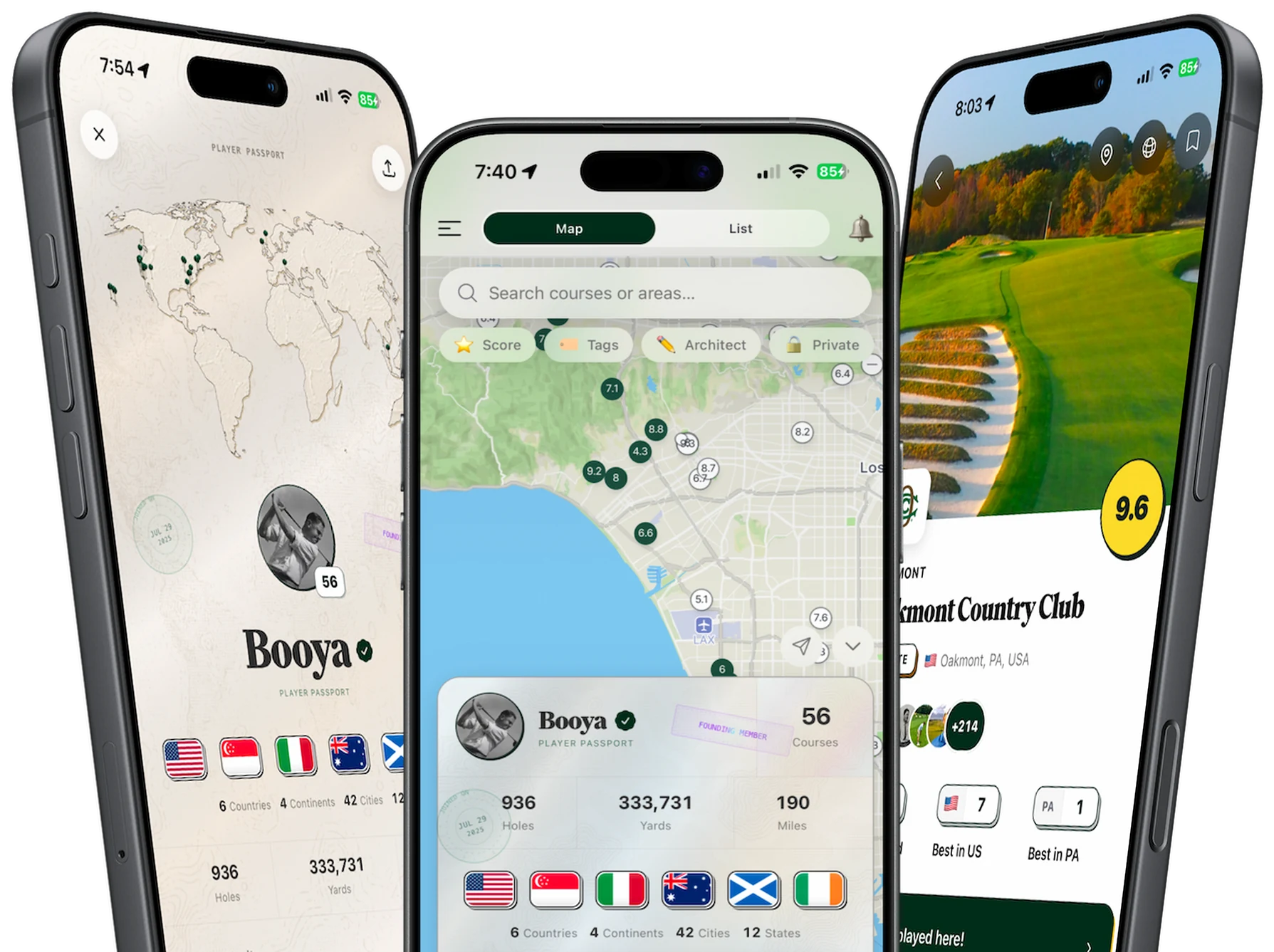
- 9.6
Getting there
The journey to Merion Golf Club begins at Philadelphia International Airport, a straightforward fifteen-mile drive northwest into the leafy precincts of the Main Line. The route traces the Schuylkill River before peeling west through Ardmore, where tree-canopied streets and stone-walled estates signal entry into one of American golf's most storied enclaves. Merion reveals itself with characteristic understatement - no grand gates or sweeping entrance, just a discreet turn onto Ardmore Avenue where the clubhouse sits quietly among the maples, as if it has always been there, waiting.

FAQ
Common questions about East at Merion Golf Club
Ratings, design, and course details pulled from Course Vaults.
East at Merion Golf Club has a Course Vaults score of 9.6 out of 10 based on 340 logged golfers.
East was designed by Hugh Wilson, Perry Maxwell, Gil Hanse, and William S. Flynn.
East at Merion Golf Club is listed as private on Course Vaults; guest access is typically restricted.
Par at East is 70.
East plays 6,592 yards from the back tees on Course Vaults.
The slope rating at East is 155.