
Oakmont Course
Oakmont Country Club


About this course
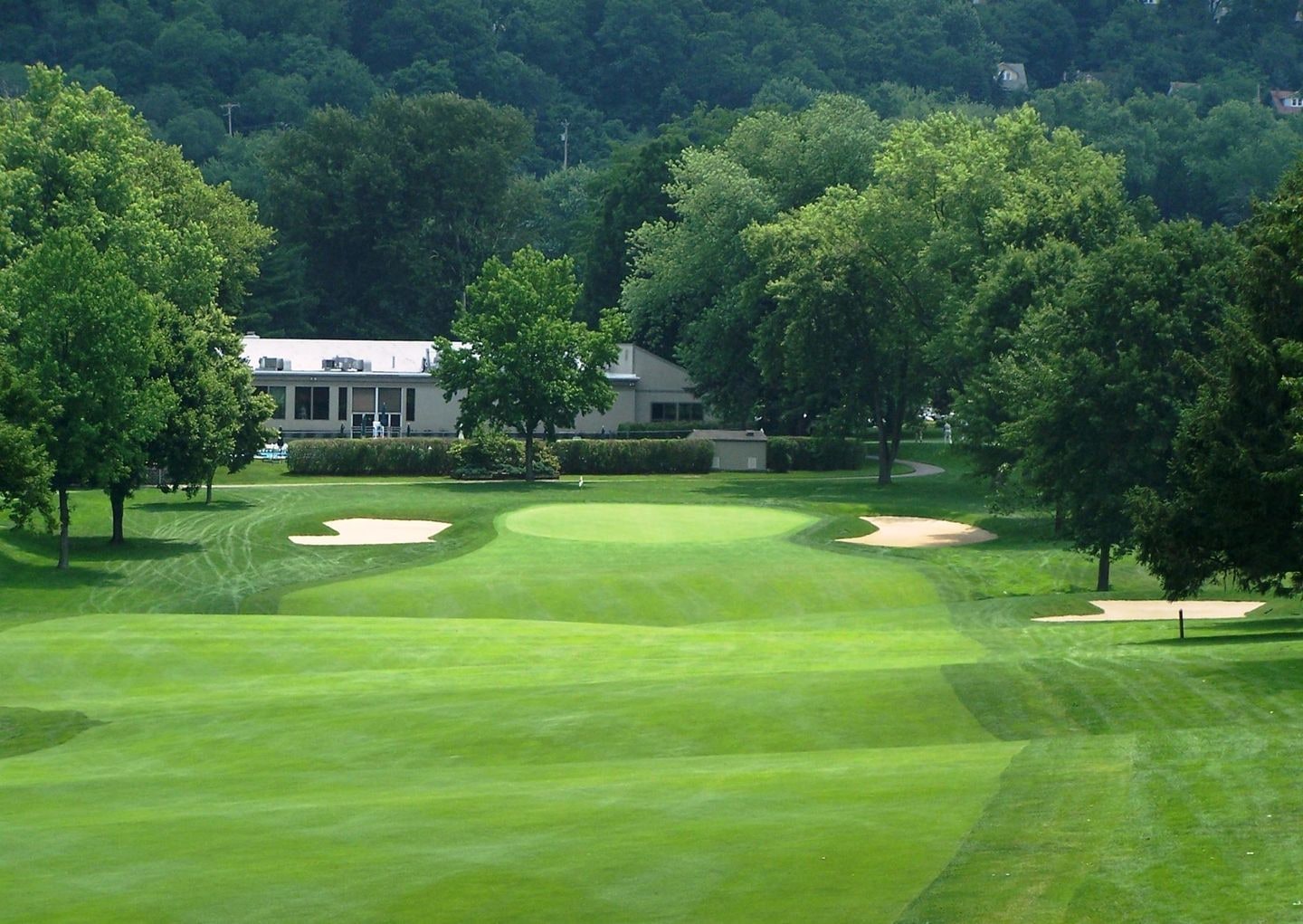
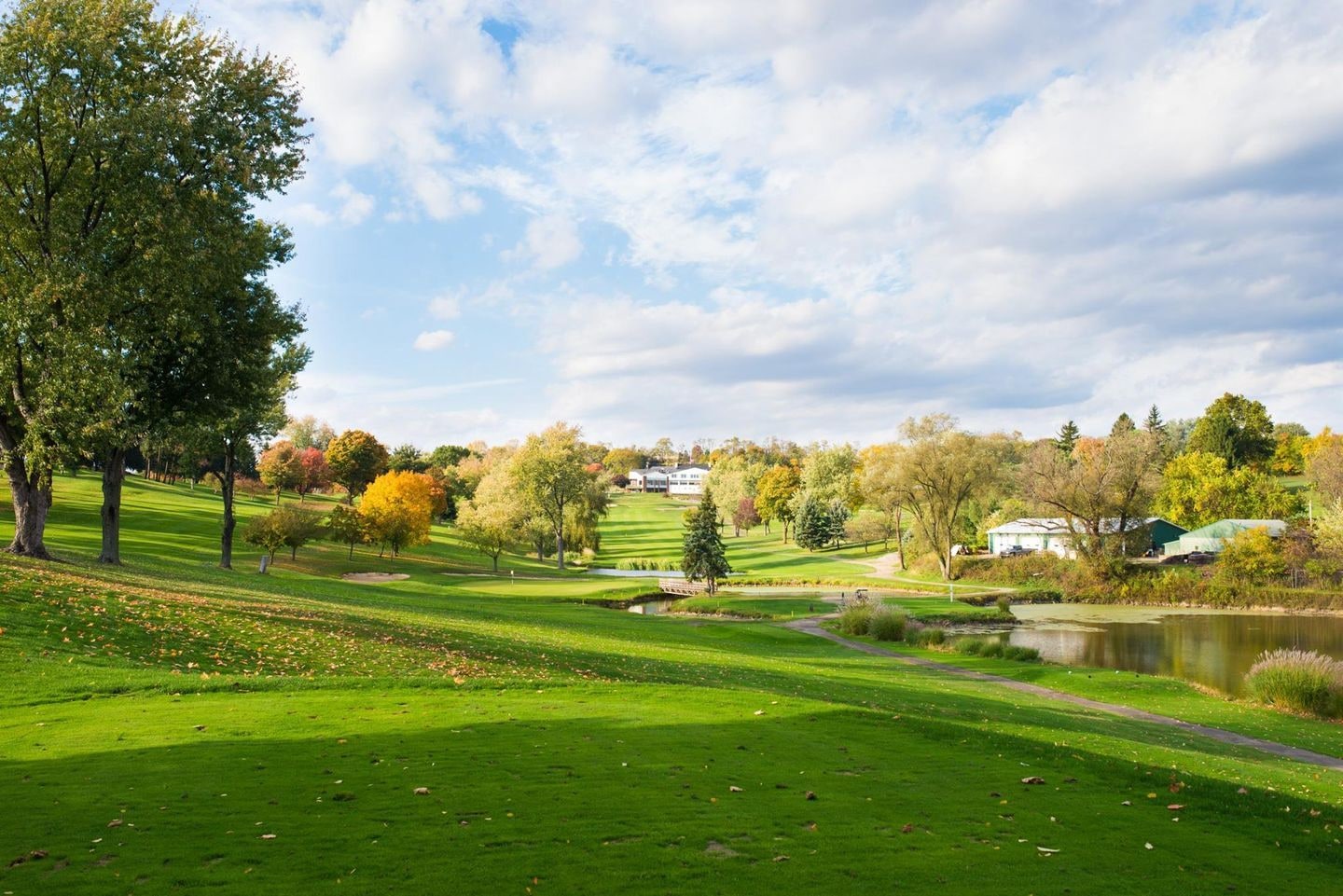
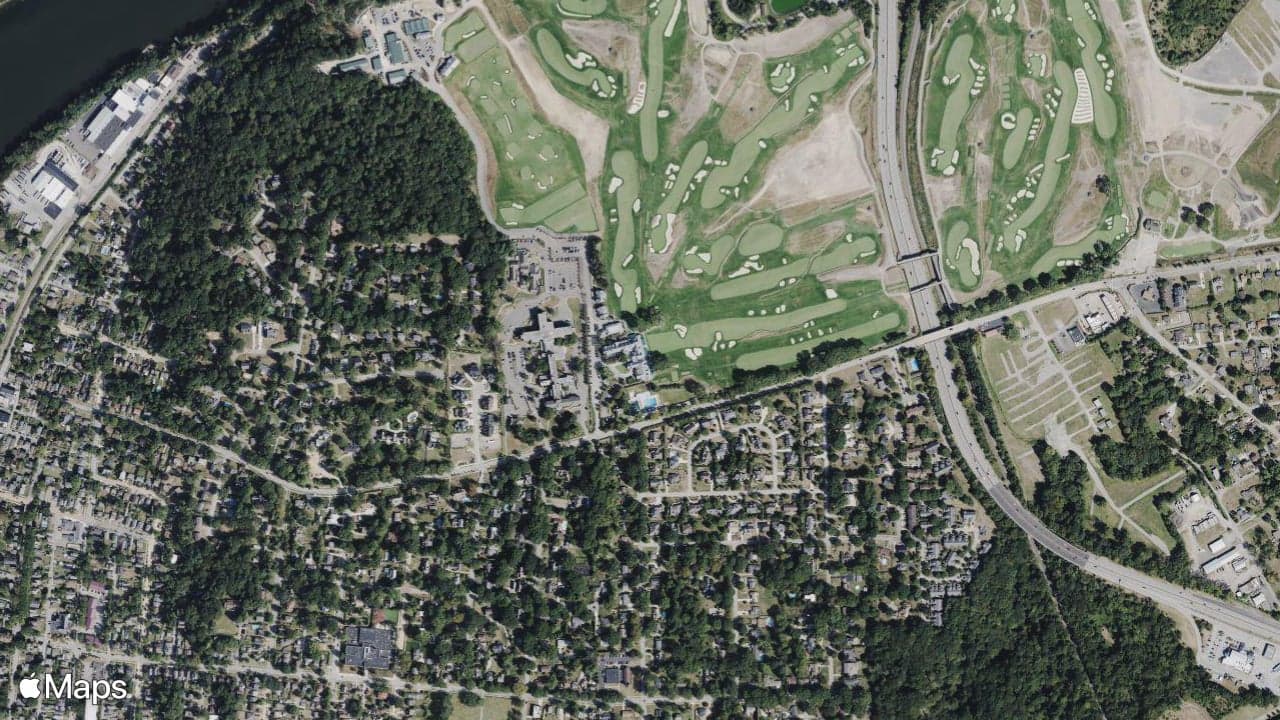
Henry C. Fownes looked at his own nine-hole club, Highland Country Club, and decided it was too easy. That is where Oakmont begins: with a man's dissatisfaction. In 1903 he founded a club close to Pittsburgh, on the western side of Pennsylvania, with an unwavering intention of challenging the best golfers in the world. It was the only course he would ever design. He and a team of men dug it by hand, and in the autumn of 1904 it opened to members at 6,406 yards and a par of 80, a number that reads now like a confession of intent. The ground was treeless farmland, two high ridges falling into a central basin, and Fownes was reaching for the open look of a British links. The holes climb straight up the slopes, run down them, cut along and across them, and each one works in a slightly different direction than the last. The fairways are fast and draped over the tilt of the ground, and a shot not properly worked will run into a poor position. Then come the greens, large and quick, heavily canted and stoutly contoured, often reaching 13 or 14 on the Stimpmeter for ordinary member play. At Oakmont a putt is rarely just a putt. If the father imagined the place, the son sharpened it. William Fownes was among the best players of his day, winner of the 1910 U.S. Amateur and captain of the American Walker Cup side in 1922, and he kept adjusting the course, especially after Henry died in 1935. He added roughly 200 bunkers, dug deep grassy ditches, and pushed the limits of green speeds for his time. Among his additions was the famous Church Pews, waiting for any wayward drive on the 3rd and 4th holes. William resigned in 1946 and died in 1950. Shortly after, the club began a "beautification" effort and planted more than 5,000 trees on that old treeless farm. Over the decades the open ground closed into narrow corridors, and the turf declined. In the mid-1990s the agronomy team began taking the trees down, with the backing of the grounds chairman, the board, the superintendent, and the head professional, but not of every member. So the work happened in secret, trees felled and the evidence covered in the early hours before members arrived, until caddies noticed the gaps and word spread. There were threats of petitions and lawsuits. Slowly the members came to appreciate the views and the better turf, and today almost no trees stand in the interior. The vast, open feel came back, the one that suited what Henry Fownes first sought. The course carries its changes like scars. The Pennsylvania Turnpike now sits in that central basin, and when it was built, the green of the infamous par-3 8th, a hole that can stretch to around 300 yards, was moved about 10 yards left. The 16th once played to a green back and left of where it is now, close to the 17th tee, reaching 226 yards in the 1927 U.S. Open that Tommy Armour won with 301, guarded by a massive bunker and a long trench down the left. When that hole moved, the 15th green shifted right, and the 15th became one of the great par 4s in championship golf. In 2023 Gil Hanse expanded the greens, restored the ditches, rebuilt every bunker, and wrapped a trench around the left of the 16th green in homage to the hole that was lost. Ten U.S. Opens, the latest in the summer of 2025, won by J.J. Spaun. Six U.S. Amateurs, two U.S. Women's Opens, three PGA Championships. No course in America is more decorated as a championship ground, and in majors held only Augusta National stands ahead of it. Many call it the toughest course in the world. That is exactly what a man who found his old club too easy set out to build.
Quick facts
- Location
- Oakmont, PA, USA
- Access
- Private
- Year built
- 1903
- Holes
- 18
- Designer
- Henry Fownes
- Par
- 71
- Length
- 7,255 yards
- Difficulty
- 76.9/141
- Course Vaults score
- 9.6
Getting there
Most visitors to Oakmont Country Club arrive through Pittsburgh International Airport, a straightforward forty-minute drive to the northeast along the Allegheny River valley. The route traces the industrial backbone of western Pennsylvania before ascending into the genteel borough of Oakmont, where tree-lined streets give way to the club's understated entrance on Hulton Road. There is no fanfare, no grand gates - just a quiet turn onto the property where the storied layout, site of a record nine U.S. Opens, reveals itself with the same stern, uncompromising character it has held since 1903.
FAQ
Common questions about Oakmont
Ratings, design, and course details pulled from Course Vaults.
Oakmont has a Course Vaults score of 9.6 out of 10 based on 231 logged golfers.
Oakmont was designed by Henry Fownes.
Oakmont is listed as private on Course Vaults; guest access is typically restricted.
Par at Oakmont is 71.
Oakmont plays 7,255 yards from the back tees on Course Vaults.
The slope rating at Oakmont is 141.