
Old Course
St Andrews Links


Public: #7

Public: #5
Public: #3


About this course
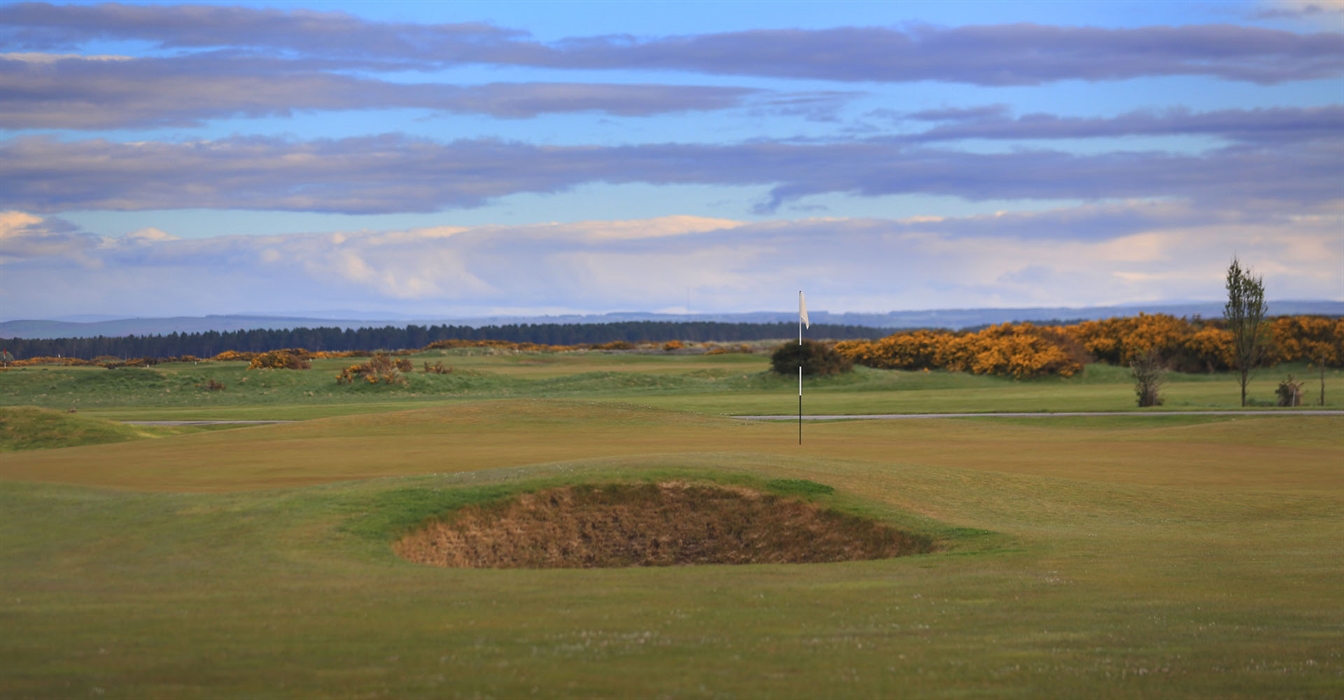
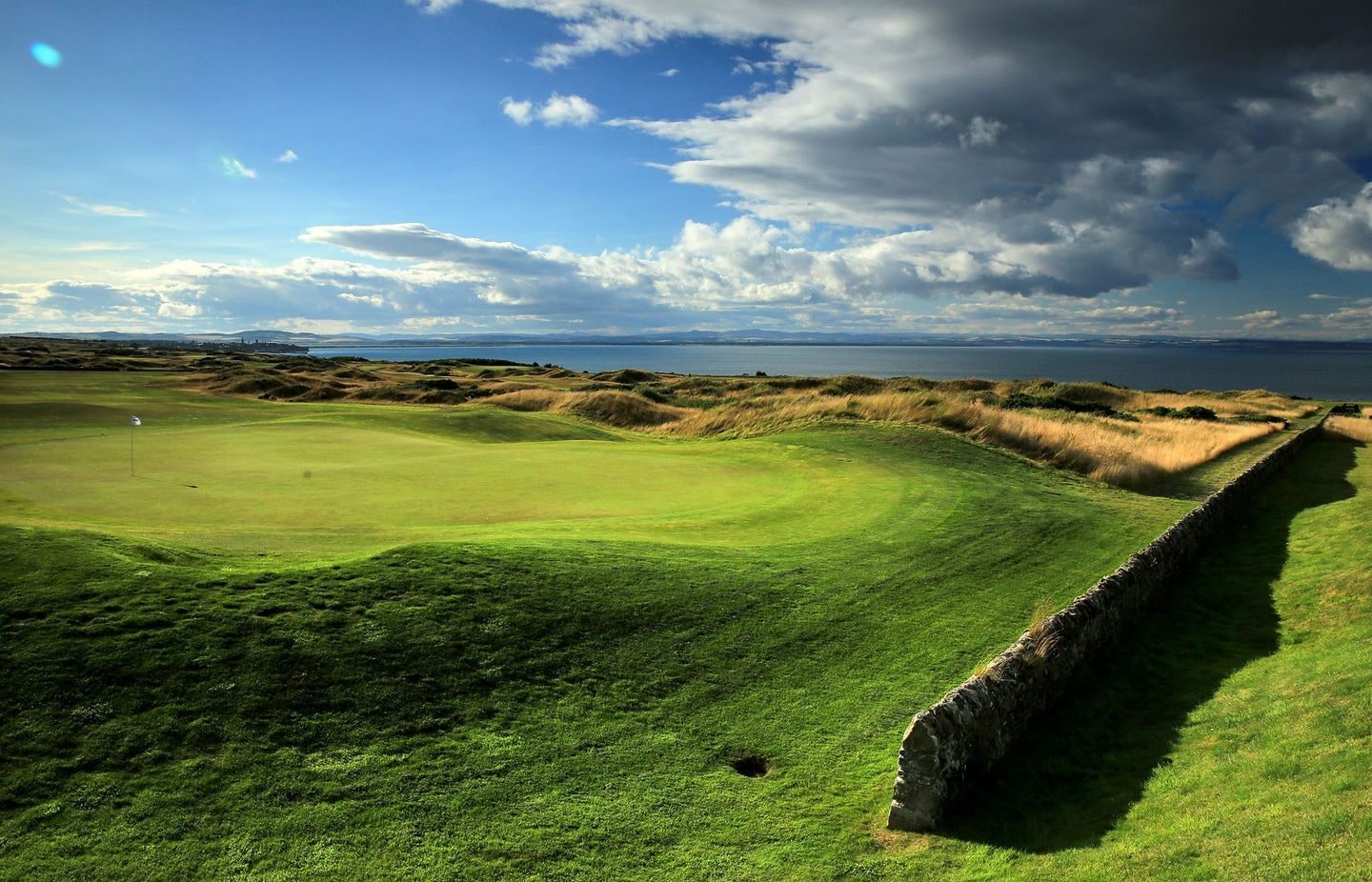
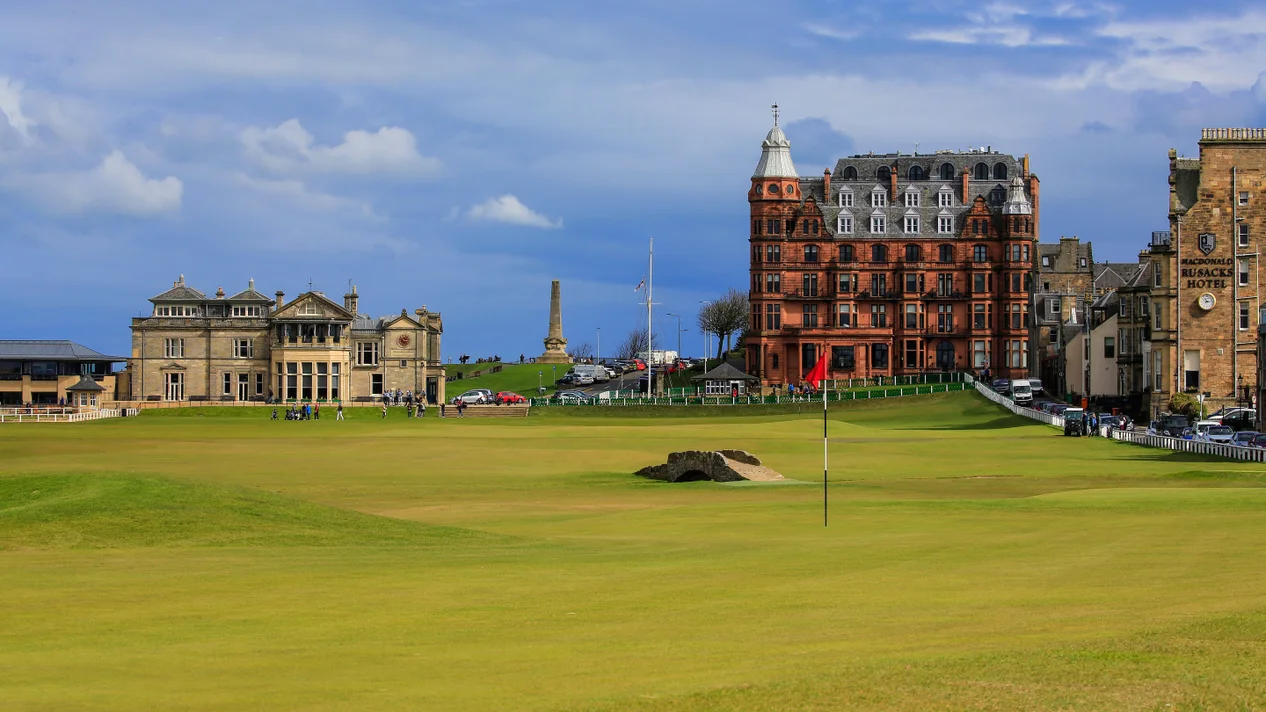
Golf on this ground runs deep into the past. The linksland was granted to the town in 1123 by King David of Scotland, and the game was probably being played here as early as the twelfth century. In 1553 the Archbishop of St Andrews administered confirmation, at last allowing the community to play golf over the links. The Society of St Andrews Golfers formed in 1754. Ten years later the round was cut from twenty-two holes to eighteen. Because this place stood first in the early golf world, eighteen eventually became the length of a round everywhere. William IV granted royal patronage in 1834, and the Society became the Royal and Ancient Golf Club. In 1867 the world's first ladies' golf club was founded here. Still, the Old Course is usually not an instant hit. On television it looks flat. On foot it is anything but. The North Sea retreated and left humps, hollows, ripples, valleys and plateaus, and the pot bunkers sit much deeper than any camera admits. The ground is so varied that it is hard to imagine playing the same shot twice in a lifetime, and the winds never stop changing. Tom Doak saw two simple reasons why so many players dismiss it after one round. They never see the most interesting hole locations, which are kept for important events, and they cannot read the strategy because the features are so hard to see. Alister MacKenzie said a good course is like good music: it may not appeal the first time, but it grows on you the more often you return. The route itself is a strange, lovely piece of logic. It leaves town, runs mostly in a straight line toward the Eden Estuary, loops back for holes seven through eleven, and comes home along the same corridor. Once the course was far narrower, pressed hard against the gorse, and golfers used the same corridors and pins both out and back. Nature was largely the architect, and no one can be named as its official designer. Yet two men shaped what it left behind. In 1848 Allan Robertson is credited with widening the fairways, creating the huge double greens and building the infamous Road Hole green. His protégé, Old Tom Morris, grew up in St Andrews and learned the game on these links. In the mid-1800s, as the links grew busier, Old Tom made room. He built new greens for the first and eighteenth, cleared vegetation, created the fairways for the second through seventh, and expanded the greens so they could hold separate pins. That work opened the way for loops in either direction, and in time the counter-clockwise route became the standard way round. After a stint at Prestwick he served as Keeper of the Green from 1864 until his death in 1908. The greens are the real marvel. Some cover more than an acre, and it is hard to tell where fairway ends and fringe and green begin. The fairways are probably faster and certainly more undulating than most clubs' putting surfaces. Once you are on the green, a pair of binoculars might serve you better than having the pin tended. Then come the names, which golf's earliest architects praised and copied around the world. Eden, the eleventh, is a terrifying par three. Long, the fourteenth, has Hell Bunker. Corner of the Dyke, the sixteenth, has the Principal's Nose. The seventeenth, the Road Hole, is probably the most famous hole in golf. And somewhere along the way you meet the Swilcan Burn and the Valley of Sin. Tom Simpson said that if everyone knew the Old Course well, he could explain a good golf course by saying St Andrews and leaving it at that. The Open began at Prestwick, but it has come here thirty times, more than to any other venue. These links were also the first Open venue to earn GEO Certified status. And there is the town Bernard Darwin found so delightful in 1910, where "the butcher and the baker and the candlestick maker" shouldered their clubs after work and dashed for the links. Enter the ballot, wait for the starter to call your name, and come back as often as you can.
Quick facts
- Location
- St. Andrews, Fife, Scotland
- Access
- Public
- Holes
- 18
- Par
- 72
- Length
- 6,721 yards
- Difficulty
- 75.5/138
- Course Vaults score
- 9.4
Getting there
The pilgrimage to St Andrews Links most often begins at Edinburgh Airport, roughly an hour's drive north across the Firth of Forth and into the ancient Kingdom of Fife. Private arrivals favor Leuchars Station or the modest Fife Airport at Glenrothes, both within twenty minutes of the town. The final miles trace the coastline, where glimpses of the North Sea announce your arrival before the grey stone spires and weathered links turf of St Andrews itself come into view - a landscape so steeped in history that the journey feels less like travel and more like stepping back through centuries to golf's very birthplace.

FAQ
Common questions about Old at St Andrews Links
Ratings, design, and course details pulled from Course Vaults.
Old at St Andrews Links has a Course Vaults score of 9.4 out of 10 based on 463 logged golfers.
Yes. Old at St Andrews Links is listed as welcoming public or guest play on Course Vaults.
Par at Old is 72.
Old plays 6,721 yards from the back tees on Course Vaults.
The slope rating at Old is 138.
Old is a 18-hole course.