Portpatrick Dunskey Course
Portpatrick Dunskey Golf Club


About this course
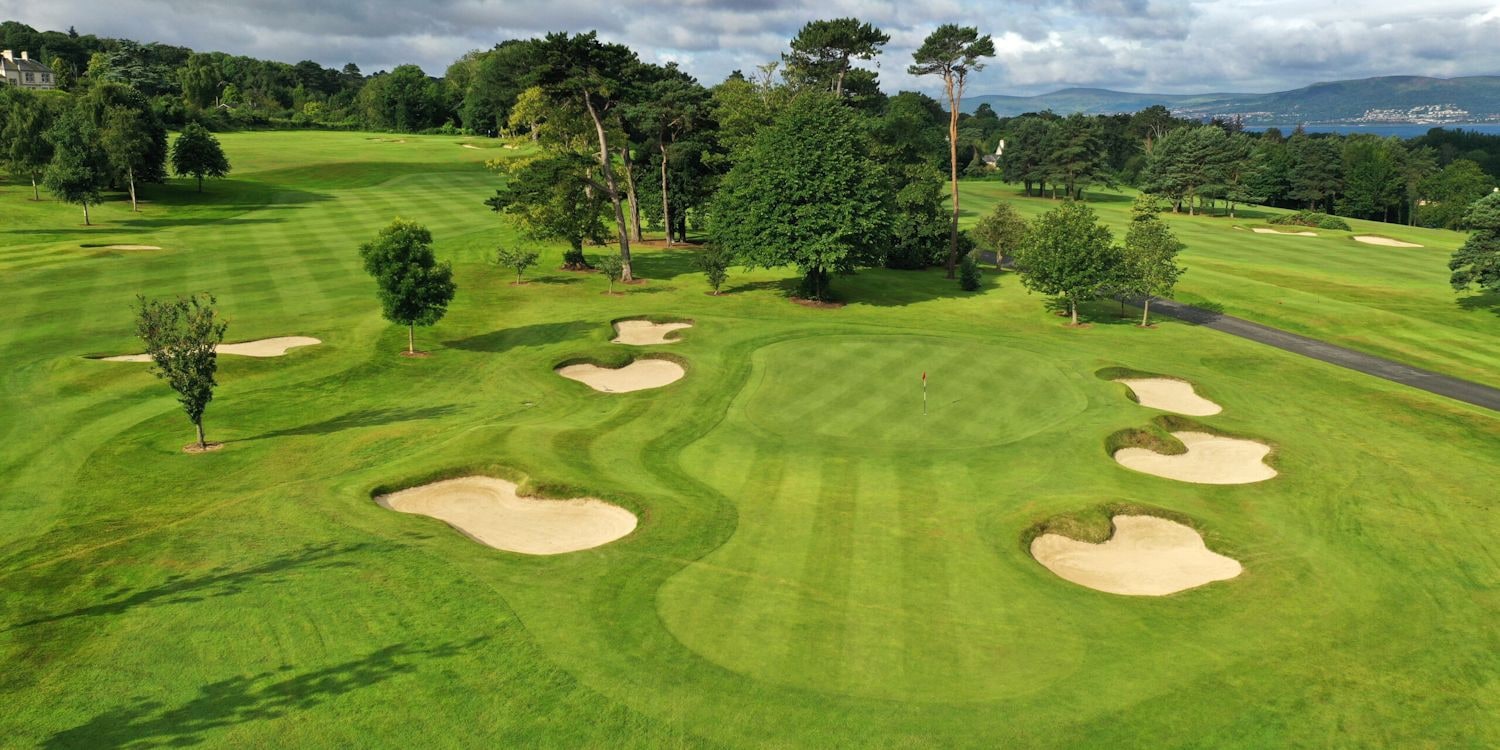
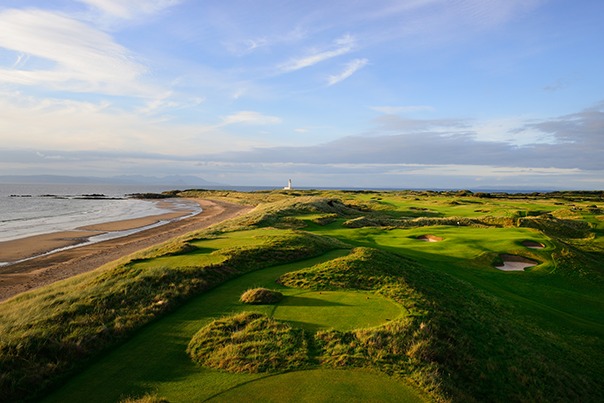
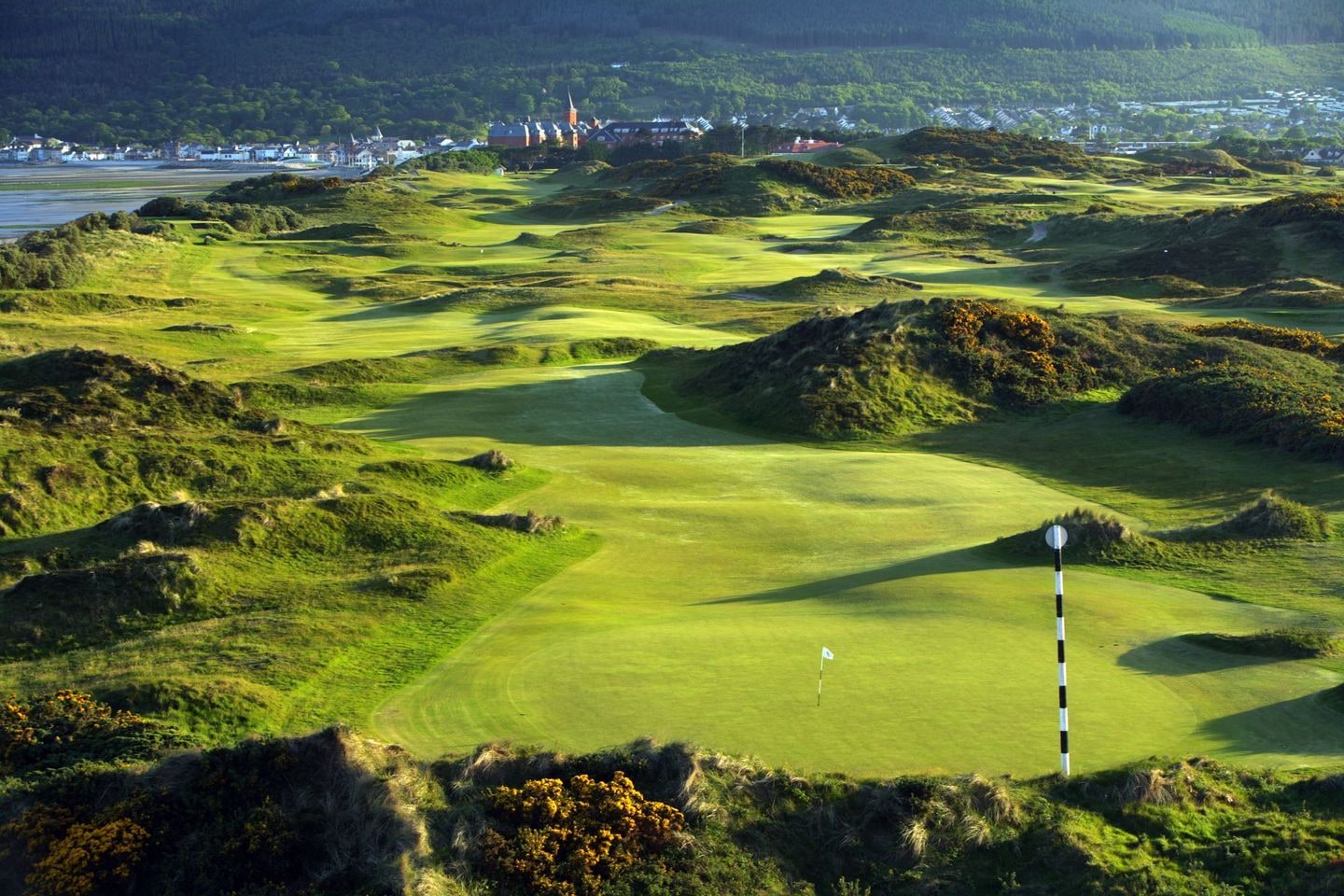
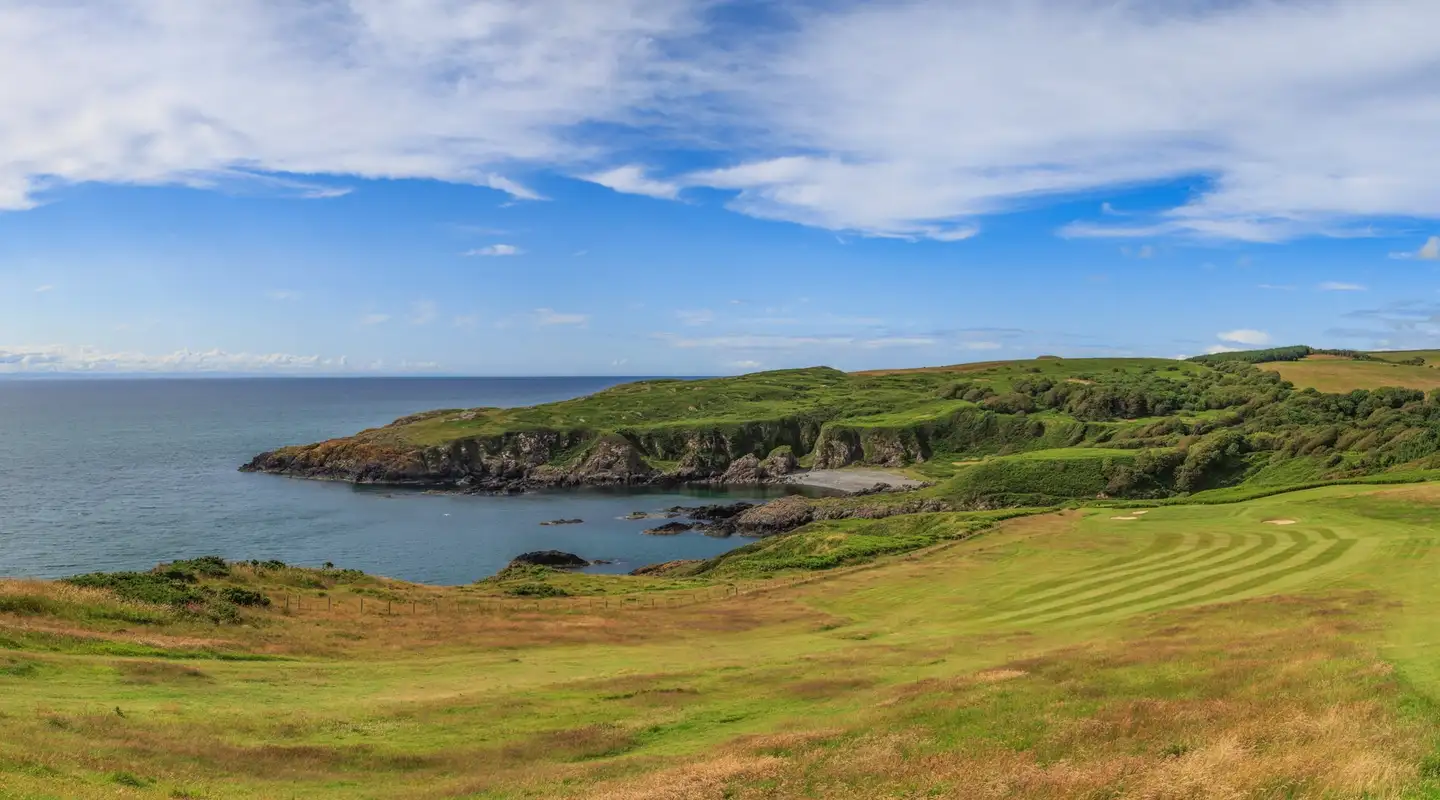
Portpatrick Dunskey occupies clifftop land on Scotland's southwestern coast, where the Rhins of Galloway peninsula meets the Irish Sea. Charles Hunter designed the course in the early twentieth century, taking advantage of natural terrain that rises and falls along rugged coastal ground. The layout sits above the village of Portpatrick, a historic harbor town that once served as a principal crossing point to Ireland before the route shifted north to Stranraer. The course plays across exposed headland with views extending to the Irish coast on clear days and across to Ailsa Craig to the north. Wind is a constant factor, coming off the water and testing club selection and shot-making throughout the round. The routing moves over rolling duneland with several holes running along or near cliff edges, while others turn inland across more sheltered ground. Natural contours and native grasses frame fairways that follow the land's movement rather than impose artificial shaping. Portpatrick Dunskey serves a local membership and welcomes visitors seeking golf in a quieter corner of Scotland's southwest. The club maintains a traditional character typical of smaller Scottish coastal clubs, where the focus remains on the golf itself rather than extensive facilities. The course offers a straightforward test shaped by weather and terrain, representative of the region's golfing heritage along a stretch of coastline less traveled than Scotland's more famous links grounds.
Quick facts
- Location
- Portpatrick, Dumfries and Galloway, Scotland
- Access
- Public
- Year built
- 1902
- Designer
- Charles Hunter
- Holes
- 18
- Par
- 70
- Length
- 5,913 yards
- Difficulty
- 69.2/120
FAQ
Common questions about Portpatrick Dunskey
Ratings, design, and course details pulled from Course Vaults.
Portpatrick Dunskey was designed by Charles Hunter.
Yes. Portpatrick Dunskey is listed as welcoming public or guest play on Course Vaults.
Par at Portpatrick Dunskey is 70.
Portpatrick Dunskey plays 5,913 yards from the back tees on Course Vaults.
The slope rating at Portpatrick Dunskey is 120.
Portpatrick Dunskey is a 18-hole course.