
Panmure Course
Panmure Golf Club


Public: #80

Public: #26
Public: #14


About this course
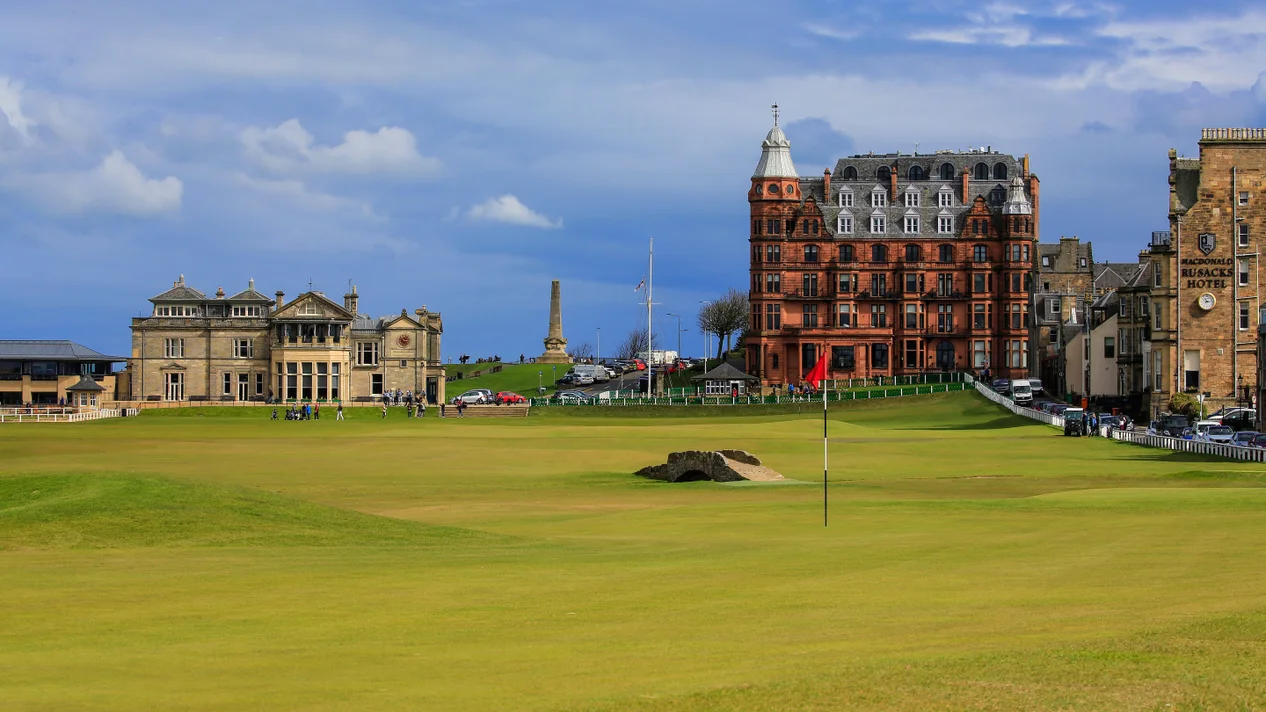
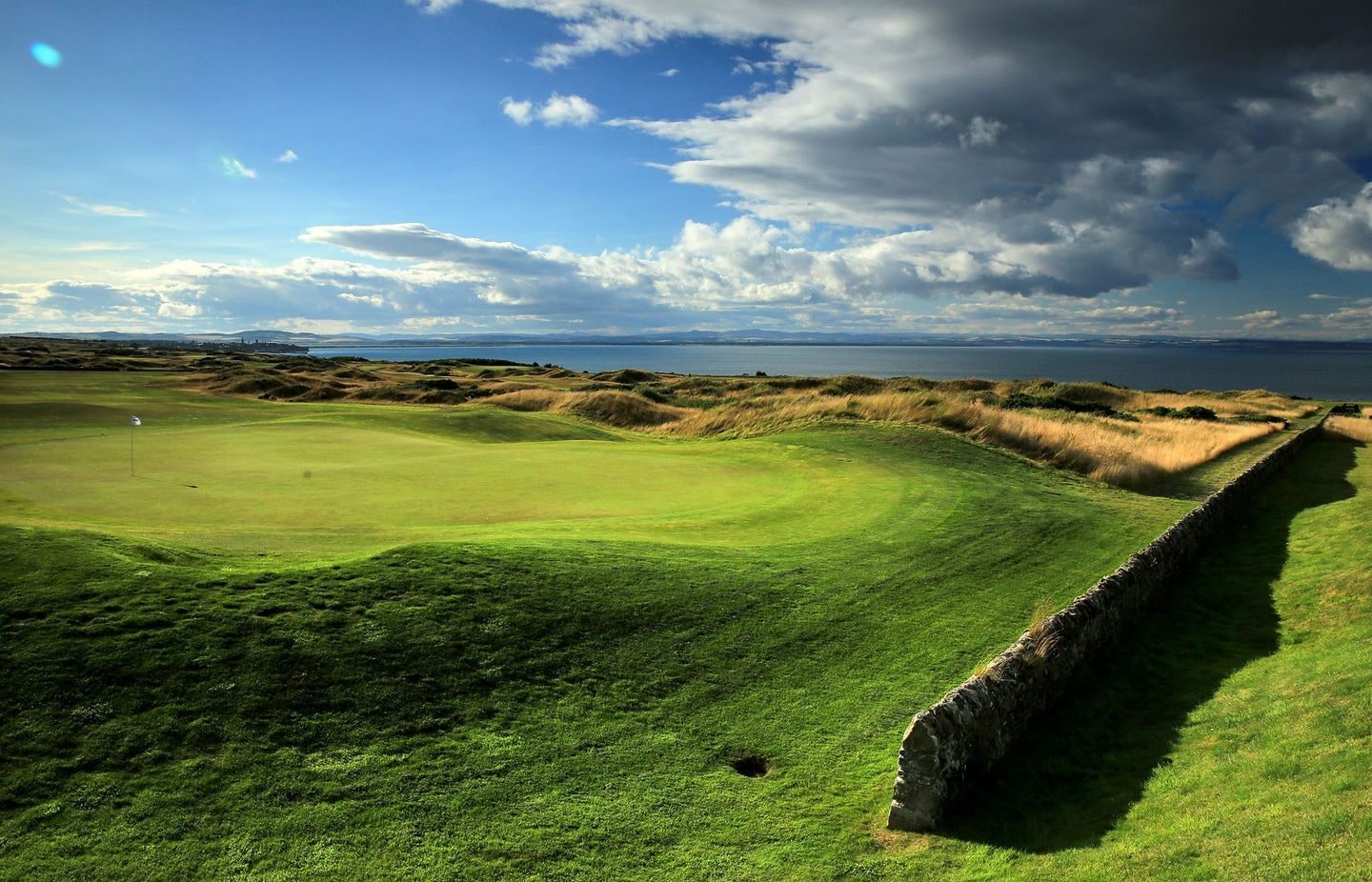
In 1845 seventeen gentlemen met and decided they wanted golf. They sent to St Andrews for Allan Robertson and Alexander Pirie, who laid out nine holes in the area of Monifieth for the princely sum of thirty shillings. That was the beginning of Panmure Golf Club. A further hole arrived in 1851 and was discarded twenty years later. In 1880 the course grew to eighteen. Then, as more and more clubs came to play the same ground, Panmure resolved to move and find a place of its own. That place was Barry, a few miles south of Carnoustie on the road to Dundee. In 1897 the ground was surveyed and Tom Morris was engaged to go over it, and his opinion was favourable. Some financial trouble with two of the landowners seems to have held things up for a couple of years, and in 1899 the club settled on its new home. The course was built by R. Duff of Edinburgh, the same contractor who constructed the New Course at St Andrews and Muirfield, both Old Tom Morris layouts. The original design at Barry carries the names of Allan Robertson and Old Tom Morris together, with Morris's favourable eye on the ground and Duff's hand in the building. Then came James Braid. The course has changed and grown longer since those first days, and many of the changes came from his suggestions in 1922. For the most part, the Braid course is the one that remains today. Panmure lies inland from the Monifieth Links, yet it has all the characteristics of a championship links, and it serves as an Open Qualifying course. Panmure sits on two distinctly different plots of land. Near the clubhouse the ground is flat and the beginning is gentle. On the third the fairways begin to ripple and the holes start to gather intensity. Then the course opens up beyond the pine forest, and by the fifth you have entered a rollicking pocket of linksland that runs through the fourteenth and tests every club in the bag, particularly when the wind blows. Hillocks and heather stand in for the more traditional sand dunes, and they present the same challenge. The great par-four sixth is the most famous hole. It is only 387 yards and played at an angle, but the second shot to the raised green poses a stern test. Ben Hogan spent two weeks at Panmure before the 1953 Open at Carnoustie, getting used to the terrain, the tight lies and the 1.62 inch ball. On the sixth he suggested a small pot bunker short and right of the green, and the bunker went on to be added. Hogan finished with a 68 in the final round and won the Open by four shots. The real quality of the course comes either side of the turn, as it so often does on a links. The seventh, at 418 yards, is the longest par four. The eighth threads between hills, and the tenth is a long dogleg to the right before the direction changes at the eleventh. The twelfth and thirteenth are not long, but penalty awaits a wayward shot. The fourteenth is the longest hole, a 535-yard par five. It is followed by a long par three of 234 yards, and then three par fours, long but fairly straight, take you home. Afterwards there is the clubhouse, a turn-of-the-century classic modeled on Royal Calcutta Golf Club, from a time when Dundee and Calcutta shared a large trading relationship. Inside there is plenty of history to take in, and a glass of the club's own Kümmel is a must. Many high-profile Scottish clubs have come to depend on visitor rates. Panmure has taken a more prudent path, limiting outside play and looking after the guests it does welcome. Ten minutes from Carnoustie and well within its shadow, it offers a pure Scottish experience, far from the touristy bustle next door, along one of the country's great stretches of golf.
Quick facts
- Location
- Angus, Scotland
- Access
- Public
- Year built
- 1845
- Holes
- 18
- Designer
- James Braid
- Par
- 70
- Length
- 6,551 yards
- Difficulty
- 76.9/143
- Course Vaults score
- 8.8
Getting there
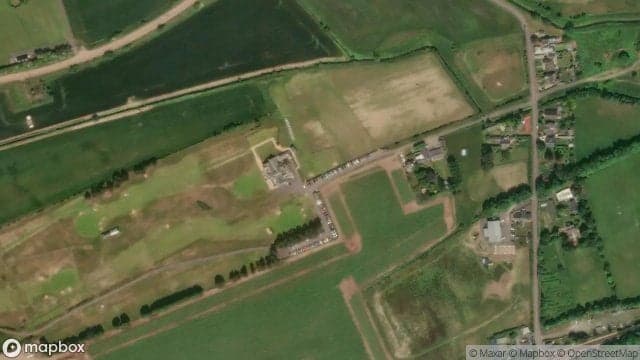
The journey to Panmure Golf Club begins at Edinburgh Airport (EDI), roughly ninety minutes north by car through the rolling farmland and coastal approaches of Angus, or alternatively via Aberdeen Airport (ABZ) for those arriving from the northeast. The final leg traces the Angus coastline toward the village of Carnoustie, where Panmure sits in quiet repose on the windswept links land that has shaped Scottish golf for centuries. Private aviation can land at Dundee Airport, mere minutes from the club's gates, offering a more discreet arrival for those seeking to slip directly into the austere beauty of this venerable seaside course. The approach itself - whether by road or air - carries you into a landscape of salt-worn turf and distant horizons, where the club's modest but dignified clubhouse emerges as the natural conclusion to a pilgrimage into one of Scotland's most authentic and unadorned golfing sanctuaries.
FAQ
Common questions about Panmure
Ratings, design, and course details pulled from Course Vaults.
Panmure has a Course Vaults score of 8.8 out of 10 based on 42 logged golfers.
Panmure was designed by James Braid.
Yes. Panmure is listed as welcoming public or guest play on Course Vaults.
Par at Panmure is 70.
Panmure plays 6,551 yards from the back tees on Course Vaults.
The slope rating at Panmure is 143.