

West Course
Maidstone Club


About this course
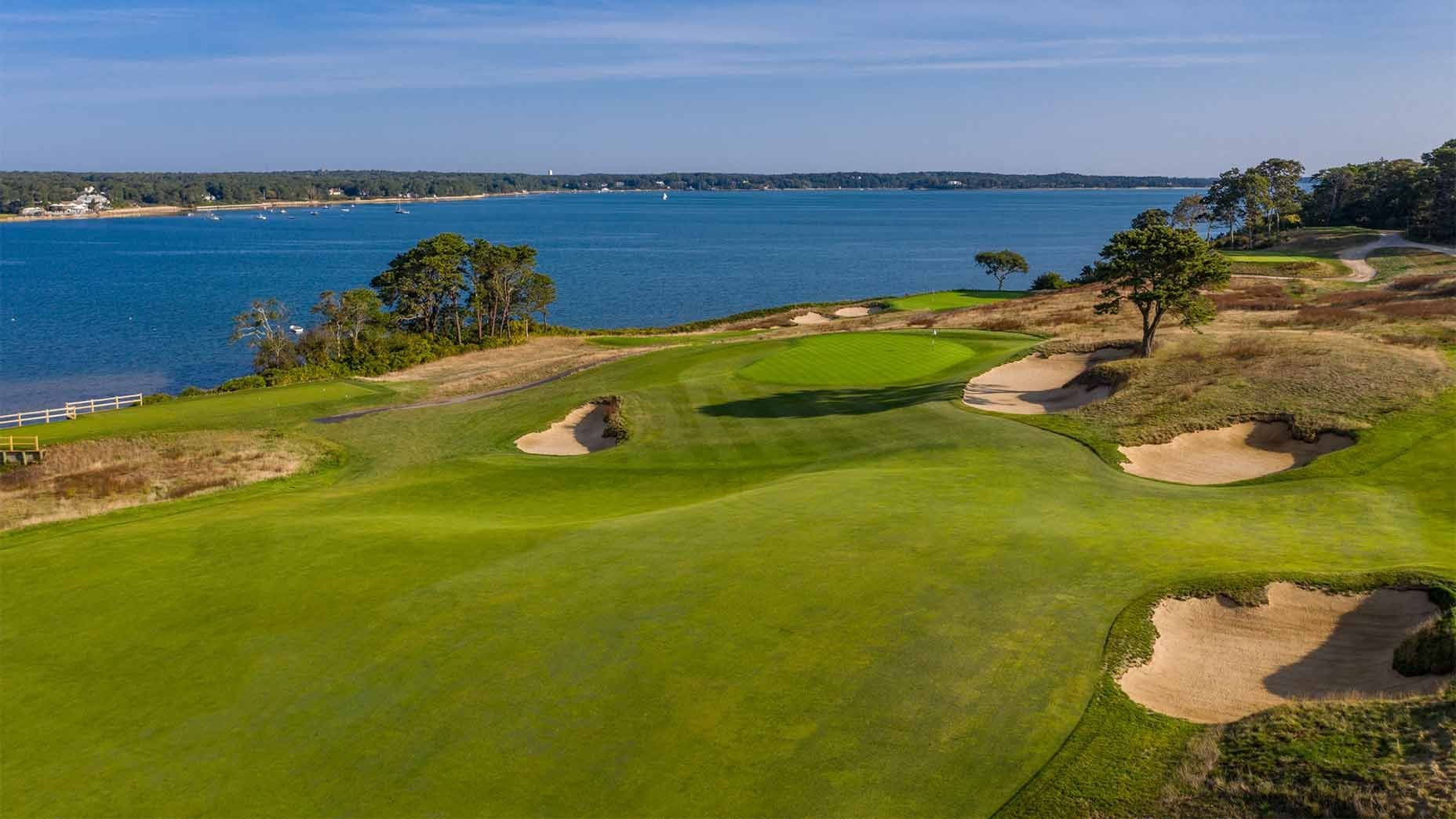
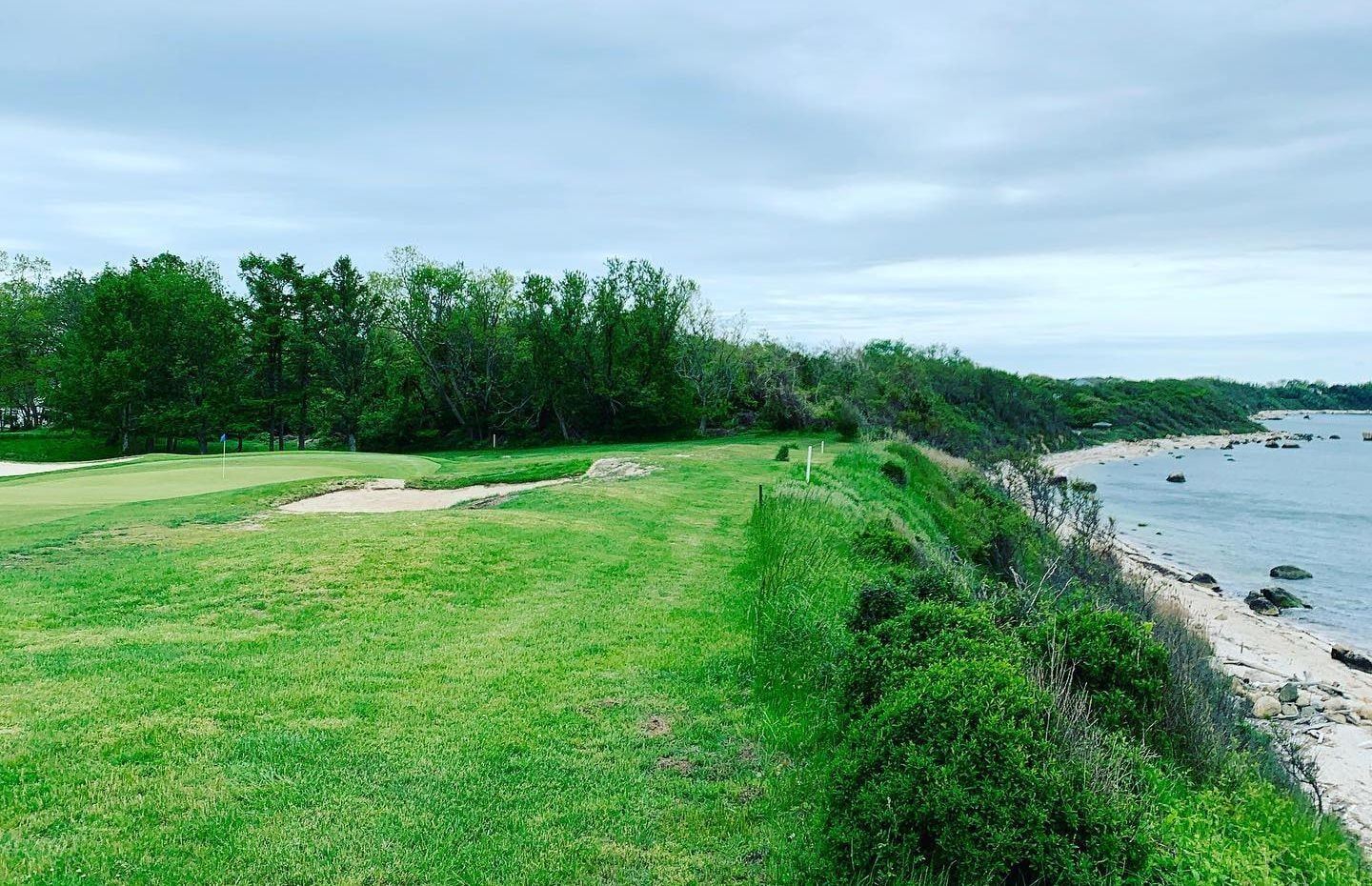
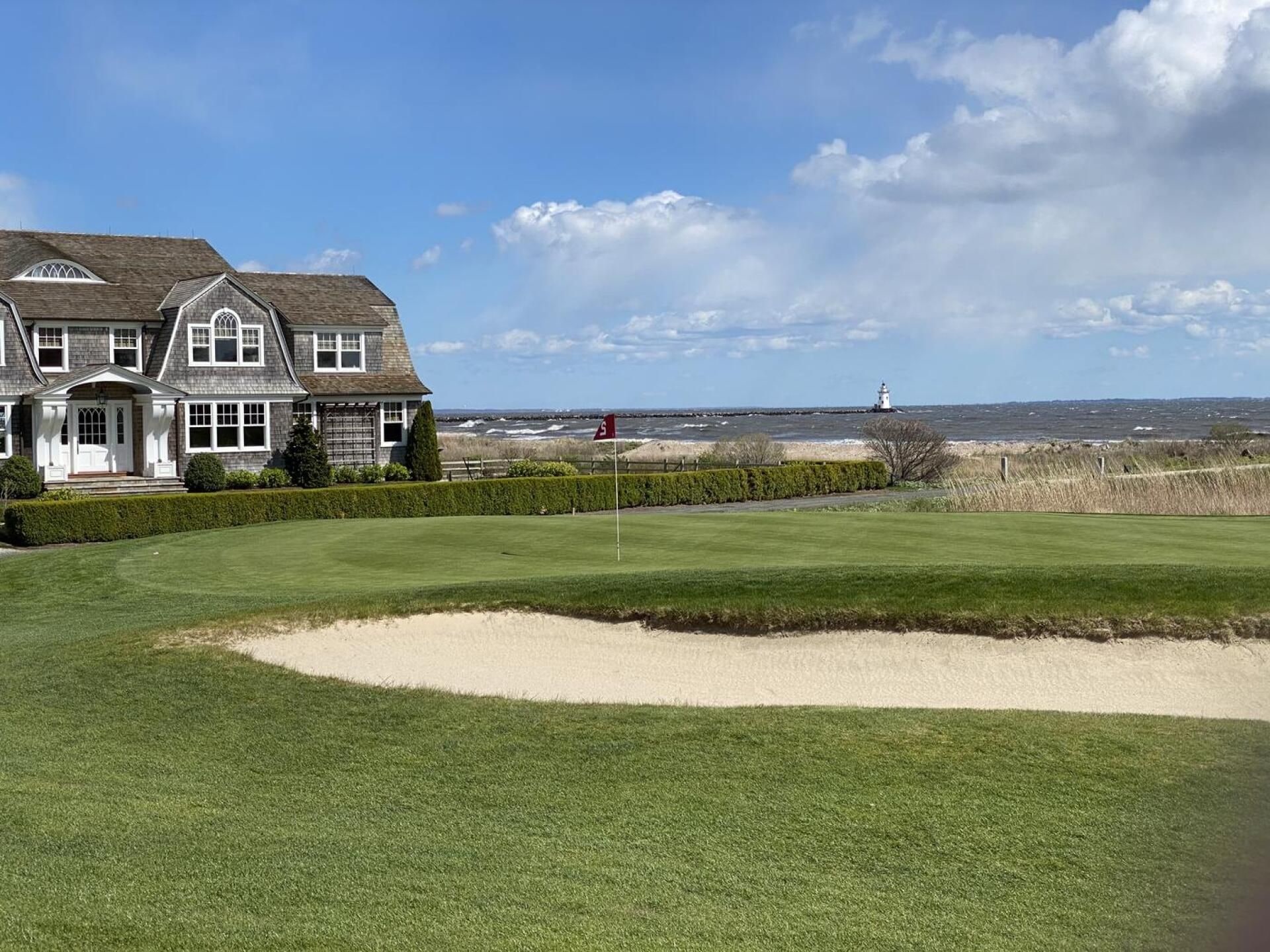
At the far eastern end of Long Island, where the land thins out and the light starts to feel borrowed from the ocean, there is a golf course that seems to have been waiting a long time for the right people to find it. Maidstone West sits on sandy, seaside ground in East Hampton, and the first thing to understand about it is that it took years of change before the course found its ground. The Maidstone Club was founded in 1891. The name likely traces back to the town in Kent, England, where some of the original settlers of this part of Long Island are thought to have come from. Golf here began modestly, with a rudimentary seven-hole course laid out by Willie Dunn, set farther inland than the course played today. In 1899 the Park brothers, Willie Jr. and John, expanded it to eighteen holes. Up until 1924 the golf kept shifting and evolving, and the club's history in this period is a tangle of revisions. Before the club bought new land, Seth Raynor drew up an eighteen-hole redesign, but it was never fully realized. It became one of those roads not taken. The road that was taken arrived in 1922, when the club acquired eighty acres on Gardiner Peninsula. That purchase put the dunes within reach and made room for a second eighteen, the West Course. By then Willie Park Jr. was among the most popular and experienced architects in America, and here he was handed coastal land of the kind most designers only imagine. He and John set to work building holes among the sand hills. Willie did not live long past the result. He died in 1925, shortly after John completed the course, and Maidstone stands as his last design. There is something quietly moving in that: a man at the height of his craft given a remarkable canvas, and a brother finishing the final strokes. The routing is a simple out-and-back, and its simplicity is part of its charm. The opening holes move along inland wetlands, low and reflective, before the course juts out toward the coastline and the ground begins to heave. Holes eight through ten and thirteen through fifteen cross the most dramatic dunesland on the property, and these are the stretches that stay with you, the Atlantic close enough to feel in your chest. But Maidstone does not save all its interest for the sea. The greens carry the round everywhere else, inventive and masterfully crafted, so that even a hole without a dune in sight asks something of you once you arrive. The ocean gives, and the ocean takes. In 1938 the hurricane remembered as the Long Island Express tore across the island, and Maidstone's East Course took the biggest hit, reduced from eighteen holes to the nine that remain. The West was spared the worst, and across the century that followed it changed remarkably little. That absence of change turned out to be a gift. In 2012 Bill Coore and Ben Crenshaw came to restore it, and they worked with a gentle hand. They expanded the putting surfaces by nearly fifty percent, and they brought back natural sandscapes along many of the holes beside the Atlantic. They did not reinvent Maidstone. They uncovered it. What remains today is one of the most finely preserved examples of the Park brothers' work and one of the most delightful golden age designs anywhere, a classical course where the greens and the setting share top billing. To play it is to walk the last idea of Willie Park Jr., finished by his brother, sheltered from the worst of the weather, and polished back toward its first shine by people who knew enough to step lightly.
Quick facts
- Location
- East Hampton, NY, USA
- Access
- Private
- Year built
- 1891
- Holes
- 18
- Designer
- Willie Park Jr.
- Par
- 72
- Length
- 6,665 yards
- Difficulty
- 73.5/140
- Course Vaults score
- 9.0
Getting there
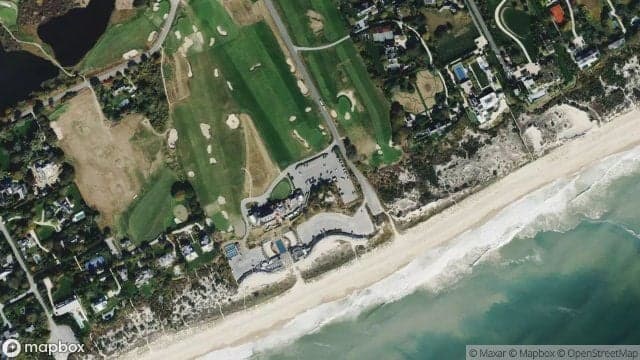
The Maidstone Club is most readily accessed via New York's three major metropolitan airports - LaGuardia (LGA), Newark (EWR), or JFK - each roughly two to two-and-a-half hours from East Hampton by car, though the final leg invariably rewards patience with the unmistakable shift from the Long Island Expressway's suburban sprawl into the quieter, tree-lined roads of the East End. For those arriving by private aviation, East Hampton Airport (HTO) sits just minutes from the club's gates, offering the discretion and convenience befitting the Maidstone's understated prominence among America's most exclusive golf societies. The drive itself traces a gentle eastward arc through the Hamptons' manicured landscape - past farmland, hedgerow, and glimpses of the Atlantic - before arriving at the club's ivy-draped entrance, where the transition from the outside world to this venerable sanctuary feels both immediate and complete.
FAQ
Common questions about West at Maidstone Club
Ratings, design, and course details pulled from Course Vaults.
West at Maidstone Club has a Course Vaults score of 9.0 out of 10 based on 109 logged golfers.
West was designed by Willie Park Jr..
West at Maidstone Club is listed as private on Course Vaults; guest access is typically restricted.
Par at West is 72.
West plays 6,665 yards from the back tees on Course Vaults.
The slope rating at West is 140.