Rolling Hills Course
Rolling Hills Country Club




About this course
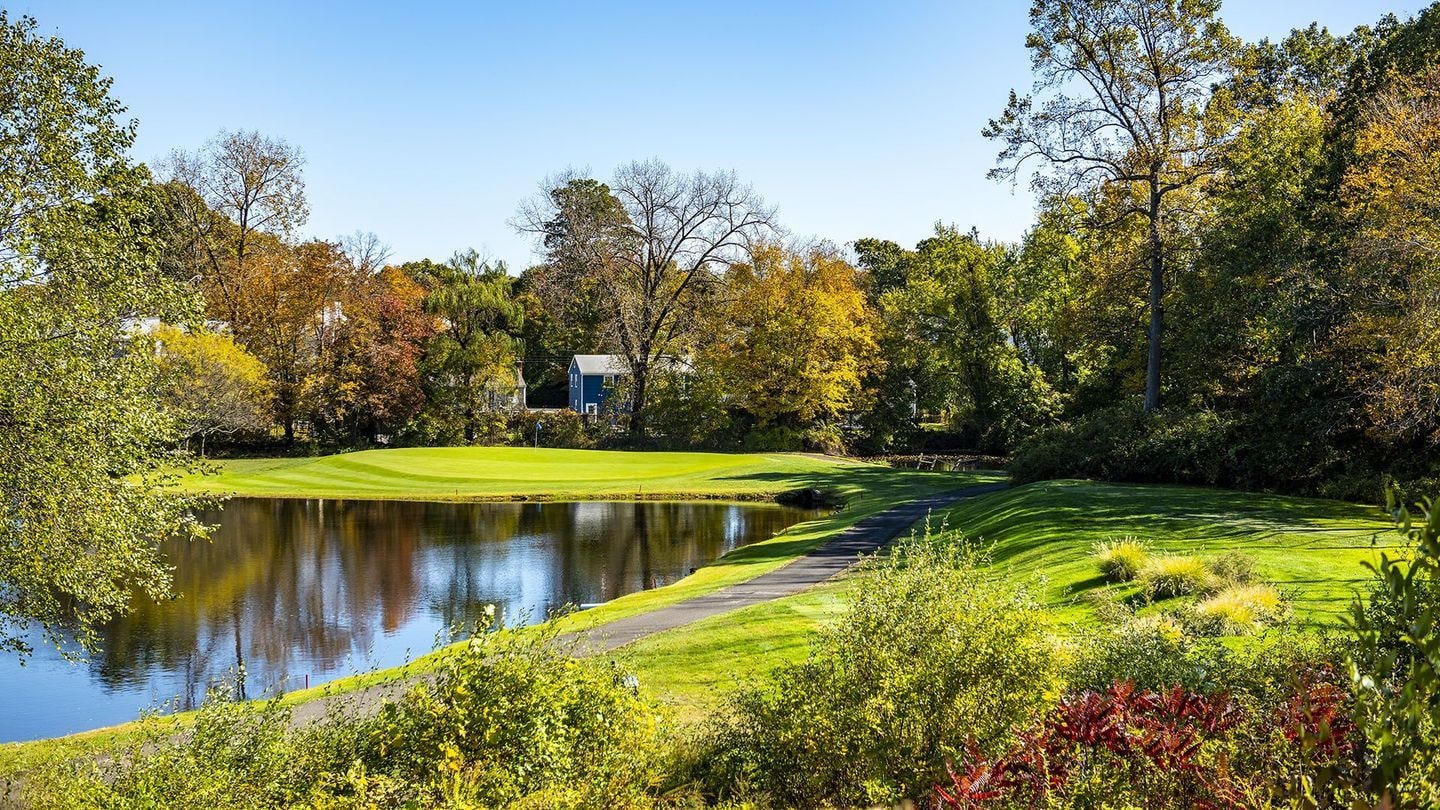
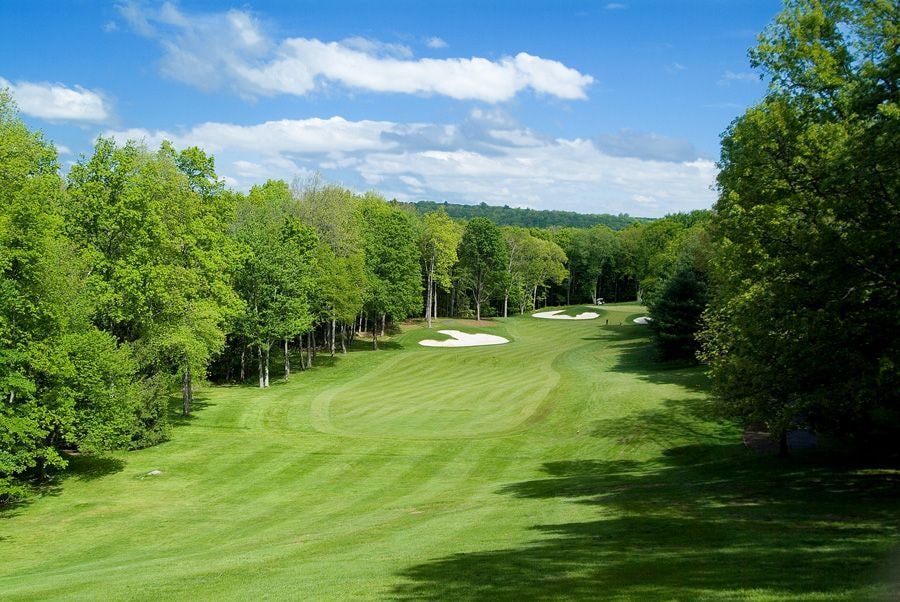
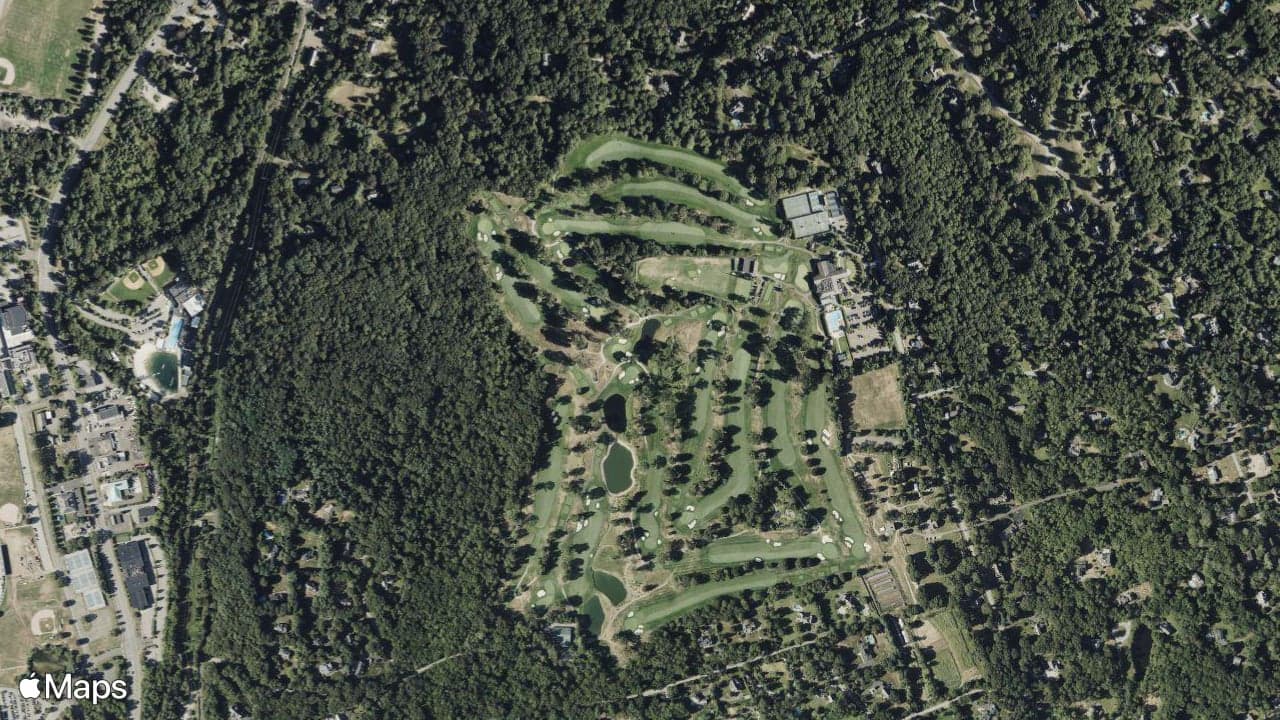
Rolling Hills Country Club sits in Wilton, a residential town in Fairfield County, Connecticut, roughly forty miles northeast of New York City. The course was designed by Alfred H. Tull, a regional architect active in the early-to-mid twentieth century who worked primarily in the northeastern United States. Tull's designs typically reflect the strategic principles of the Golden Age, emphasizing natural terrain and thoughtful hole corridors rather than dramatic earth-moving or artificial hazards. The property occupies rolling Connecticut woodland terrain characteristic of the region, with elevation changes that create variety in stance and approach angles. The routing likely moves through corridors of mature hardwoods and over ridges that provide natural definition to the holes. Fairways follow the land's contours, and greens are positioned to reward accurate iron play and thoughtful course management. Bunkers and green complexes reflect the era's design sensibilities, favoring strategic placement over sheer quantity. Rolling Hills serves as a traditional private country club for the Wilton community, offering a familiar setting for member golf and social activities. The course provides a straightforward test suited to regular play rather than championship competition, with a layout that emphasizes playability and enjoyment over extreme length or difficulty. Like many clubs of its vintage in Fairfield County, Rolling Hills maintains a focus on family membership and local tradition.
Rankings
Ranked by CV ratings from golfers who've played this course. Positions are shown worldwide, by country, and by state; the Private column compares member-only and guest-restricted courses.

Best in World
Best in USA
Best in CT
Quick facts
- Location
- Wilton, CT, USA
- Access
- Private
- Year built
- 1960
- Holes
- 18
- Designer
- Alfred H. Tull
- Par
- 71
- Length
- 6,737 yards
- Difficulty
- 73.1/129
- Course Vaults score
- 7.5
Getting there
The journey to Rolling Hills Country Club begins at one of the Northeast's primary hubs - either LaGuardia (LGA) or Newark (EWR), each roughly an hour's drive away - before transitioning into the leafy, manicured landscape of southwestern Connecticut's Gold Coast. For those arriving by private aircraft, Westchester County Airport (HPN) in nearby Harrison, New York, offers a considerably more intimate alternative, positioning you just twenty minutes from the club's gates. The final leg carries you through the rolling, wooded terrain that defines Fairfield County, where tree-lined roads and glimpses of pristine fairways signal your approach to this venerable institution nestled in the heart of Wilton's residential sanctum. The club's arrival is marked by a quiet, understated elegance - a reflection of the discretion and refinement that has defined Rolling Hills for generations.
FAQ
Common questions about Rolling Hills
Ratings, design, and course details pulled from Course Vaults.
Rolling Hills has a Course Vaults score of 7.5 out of 10 based on 13 logged golfers.
Rolling Hills was designed by Alfred H. Tull.
Rolling Hills is listed as private on Course Vaults; guest access is typically restricted.
Par at Rolling Hills is 71.
Rolling Hills plays 6,737 yards from the back tees on Course Vaults.
The slope rating at Rolling Hills is 129.