Diamond Springs Course
Diamond Springs Golf Course


Public: #424
Public: #280
Public: #18


About this course
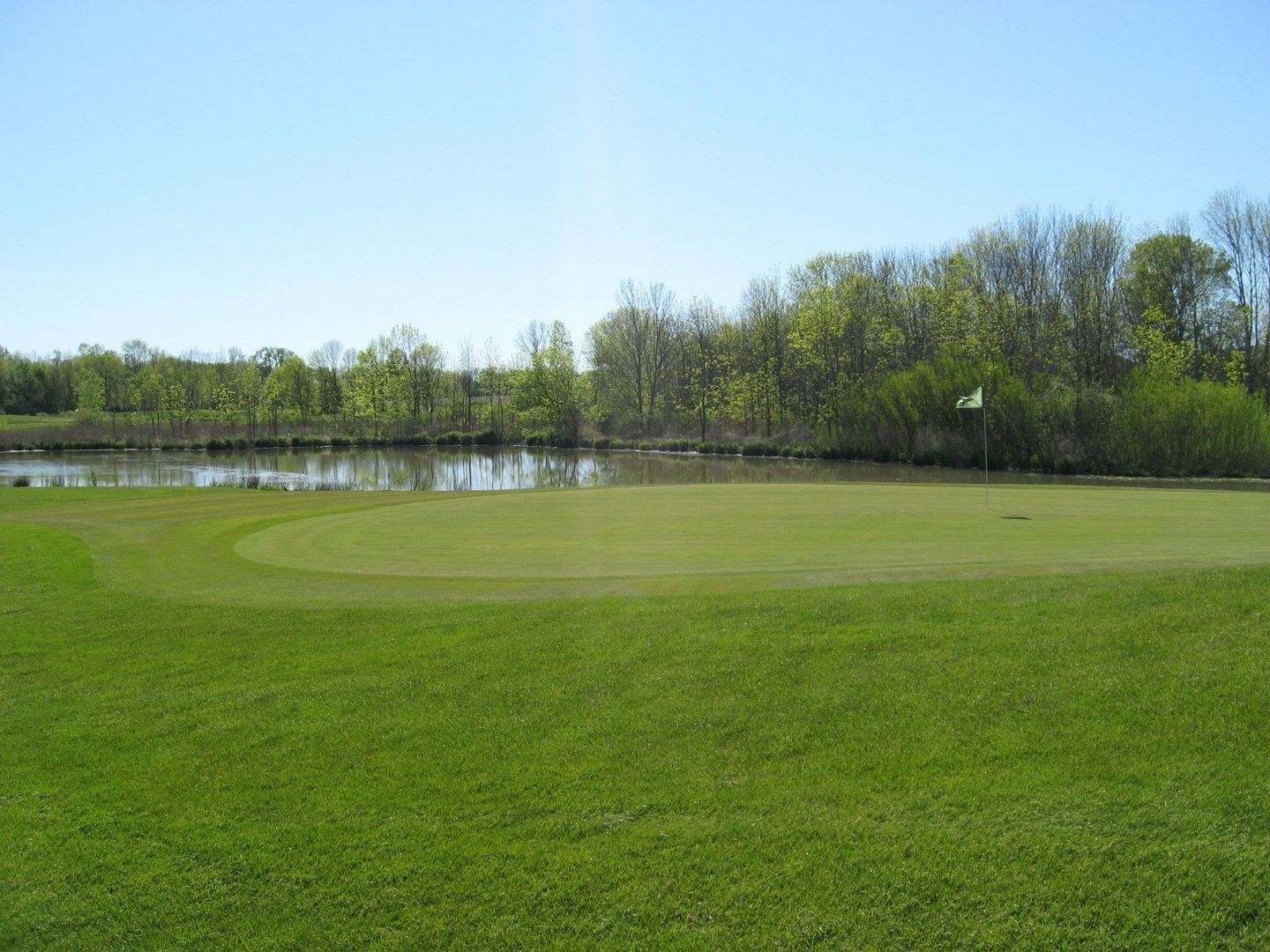
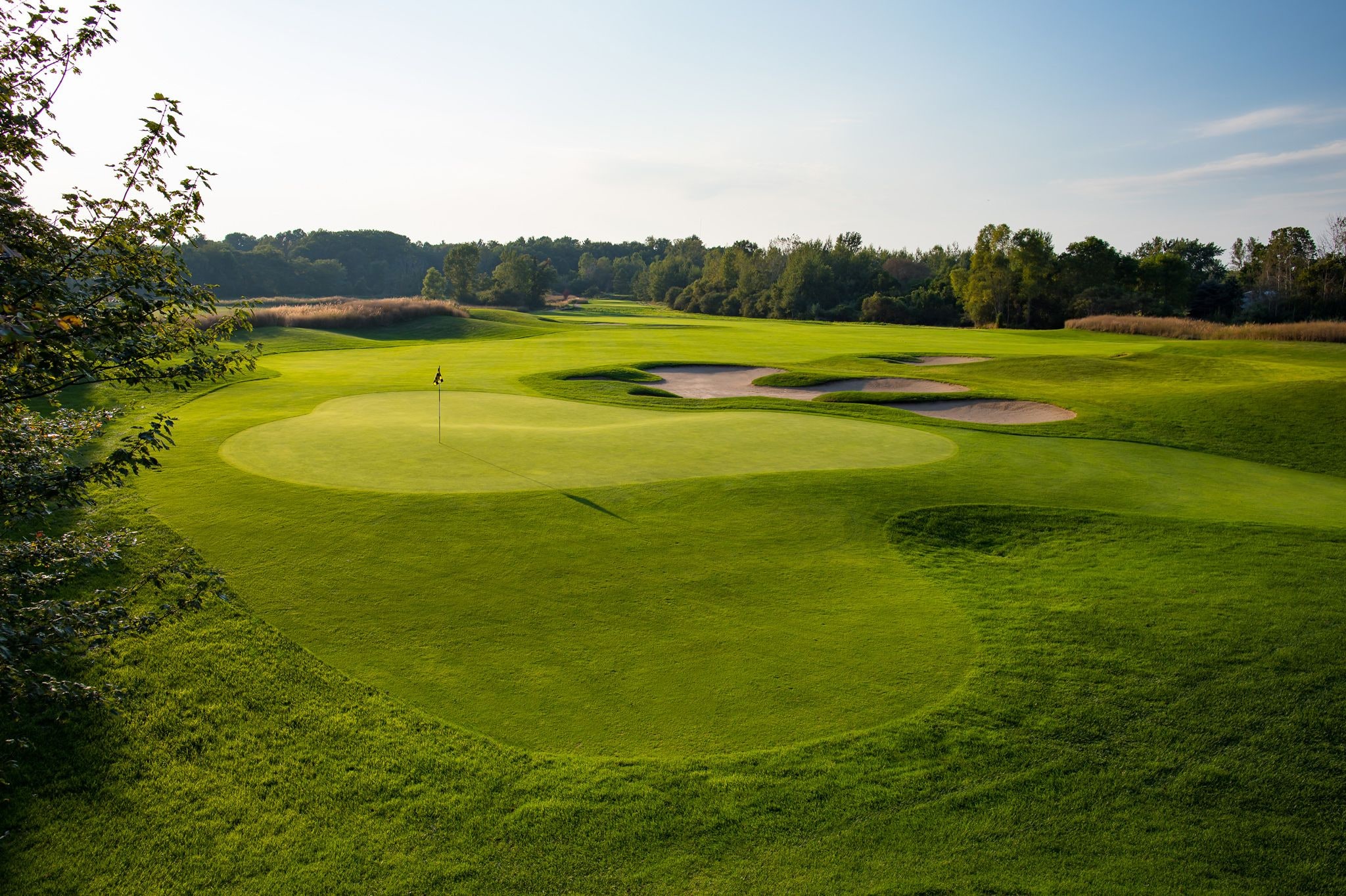
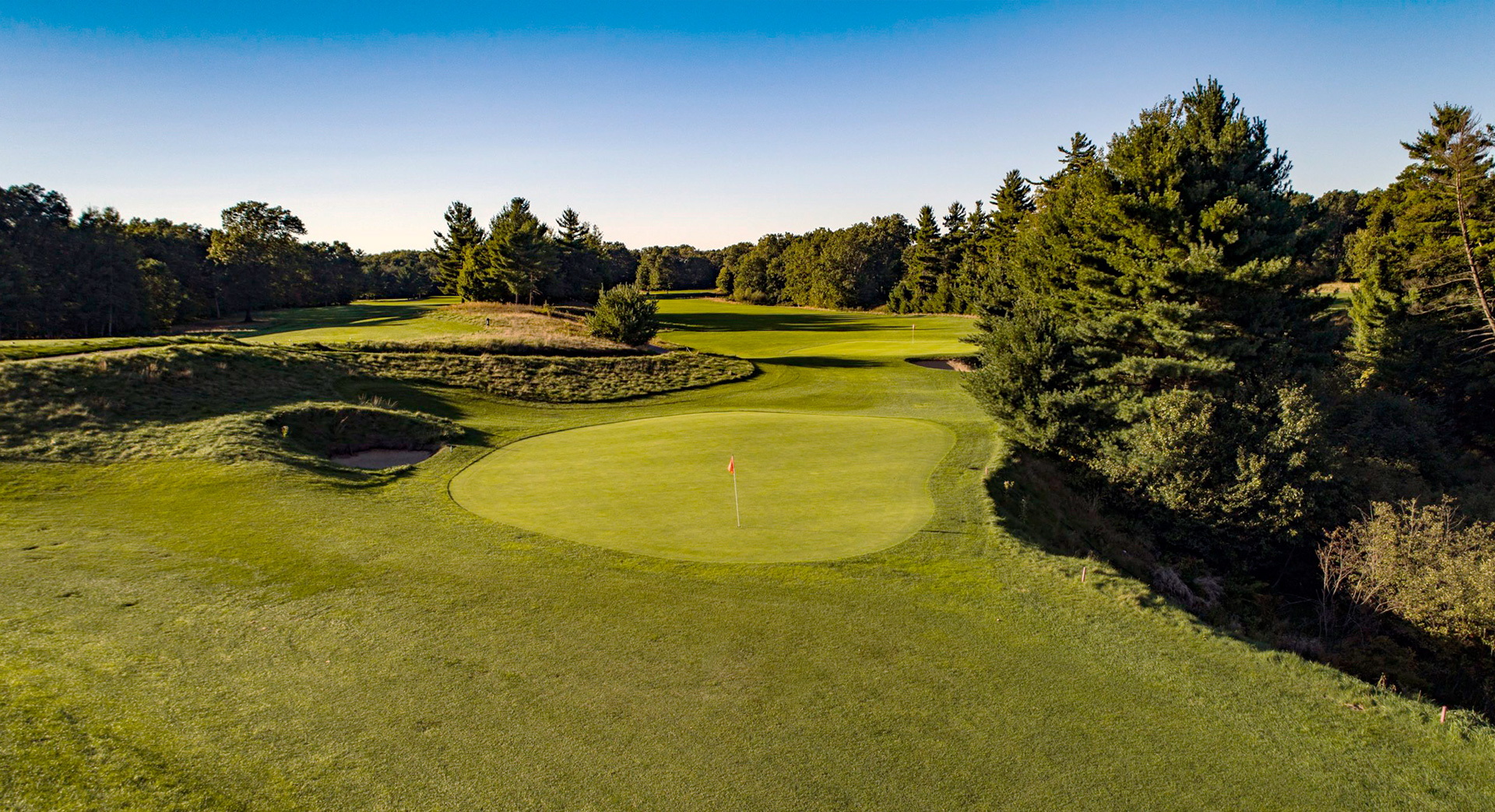
There is a particular kind of courage in building a golf course that refuses to be expensive. Kris Shumaker had it. After co-designing Pilgrim's Run in Pierson, Michigan, and serving briefly as its superintendent, he wanted something of his own: a mom-and-pop property with one stubborn ambition, an excellent course that anyone could afford to play. With a few investors he bought a rural site near the small town of Hamilton and drew a routing. Then he called the architect he had worked beside at Pilgrim's Run, Mike DeVries, to fine-tune the design and shape the bunkers and greens. Diamond Springs came to life in 2002. DeVries brought a native Michigander's patience to the ground. He grew up working at Crystal Downs, the Alister MacKenzie course beside Lake Michigan, and spent the early 1990s working with Tom Doak. In 2001 he had made the Kingsley Club, a place whose initiation fee runs far beyond what a round costs here. He is a substance-over-flash builder who spends an unusual amount of time on site, operating equipment himself and dialing in the details. That temperament suits a course whose whole argument is restraint. The restraint is most visible in the grass. Shumaker set just two heights of cut: one for the greens, and one for everything else. There is no traditional rough, no band of punishment waiting a few paces off line. The ground simply runs, uninterrupted, until it gives way to fescue for the shot that has truly wandered. For the higher handicapper this is a kind of mercy. For everyone it is a kind of clarity, the course reduced to contour, angle, and the roll of a ball. Diamond Springs is not without its quarrels, and they sit right in the middle of the fairways. On the sixth a tiny pond waits exactly where many shorter hitters land their drives. It began life as a bunker, and there is a good case for turning it back into one, since the severity of a water-hazard penalty feels out of place for a tee shot that did nothing much wrong. On the par-5 11th a pair of trees stands directly in the flight path of most second shots. They might make better strategic sense if the corridor offered more room on both edges to work around them. As it is, nearly everyone aims at them and hopes. These are the course's two center-line oddities, and they are part of its personality whether you forgive them or not. Then the property shows its hand. A ravine runs through the land, and DeVries waited until the final five holes to use it fully. On a short par four it tempts the bold toward a green they might reach from the tee, with danger ready for anyone who flirts too closely. The 18th plays like a closing Cape hole in the manner of Pete Dye, except that the danger is not a lake but a steep fall-off. You bite off as much as your nerve allows and watch the ball either hold or disappear. Diamond Springs has a fair claim to being one of the best values in American public golf. The walking green fee tops out at $50. The course sits off the beaten path yet within reach of real life: forty minutes from Grand Rapids, fifty from Kalamazoo, thirty from the lakeside vacation town of Holland. Together with The Mines, Pilgrim's Run, and Stoatin Brae, all within an hour of Grand Rapids and all under $100, it makes the region one of the country's best destinations for a budget golf trip, with the city's food and beer waiting afterward. What lingers, though, is the idea. Two heights of cut, a modest fee, and a ravine saved for the end. Diamond Springs is a quiet case that minimalism can be more than a style. It can be a promise kept.
Quick facts
- Location
- Hamilton, MI, USA
- Access
- Public
- Year built
- 2002
- Holes
- 18
- Designer(s)
- Chris Shumaker, Mike DeVries
- Par
- 72
- Length
- 6,803 yards
- Difficulty
- 71.8/127
- Course Vaults score
- 8.0
Getting there
# Getting There
Diamond Springs Golf Course sits in the quiet farmland of southwest Michigan, most easily reached via Gerald R. Ford International Airport in Grand Rapids (GRR), roughly forty-five minutes to the north, or through the smaller Kalamazoo/Battle Creek International (AZO) for those seeking a more direct approach. The drive south from Grand Rapids carries you through the rolling countryside of Allegan County, where the landscape gradually shifts from suburban sprawl to open fields and tree-lined rural roads that define this corner of Michigan. As you near Hamilton, the terrain settles into the gentle, wooded terrain characteristic of the region - a landscape of modest elevation and natural water features that have long drawn golf architects to this corner of the state. The final miles unfold along quiet country roads before arriving at Diamond Springs, where the course emerges from the surrounding woodland as a serene and understated destination.

FAQ
Common questions about Diamond Springs
Ratings, design, and course details pulled from Course Vaults.
Diamond Springs has a Course Vaults score of 8.0 out of 10 based on 45 logged golfers.
Diamond Springs was designed by Chris Shumaker and Mike DeVries.
Yes. Diamond Springs is listed as welcoming public or guest play on Course Vaults.
Par at Diamond Springs is 72.
Diamond Springs plays 6,803 yards from the back tees on Course Vaults.
The slope rating at Diamond Springs is 127.