
Crooked Stick Course
Crooked Stick Golf Club



About this course
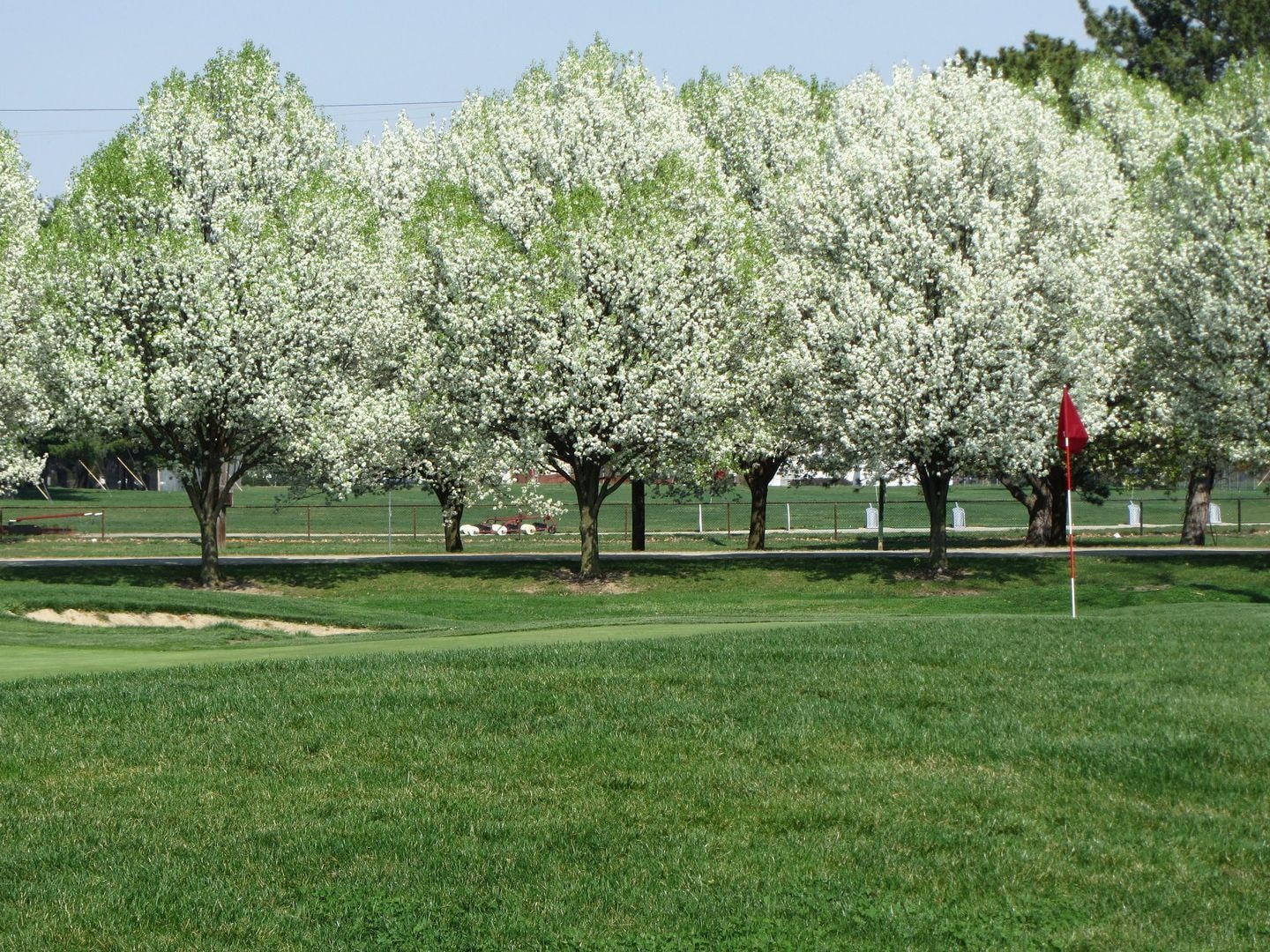
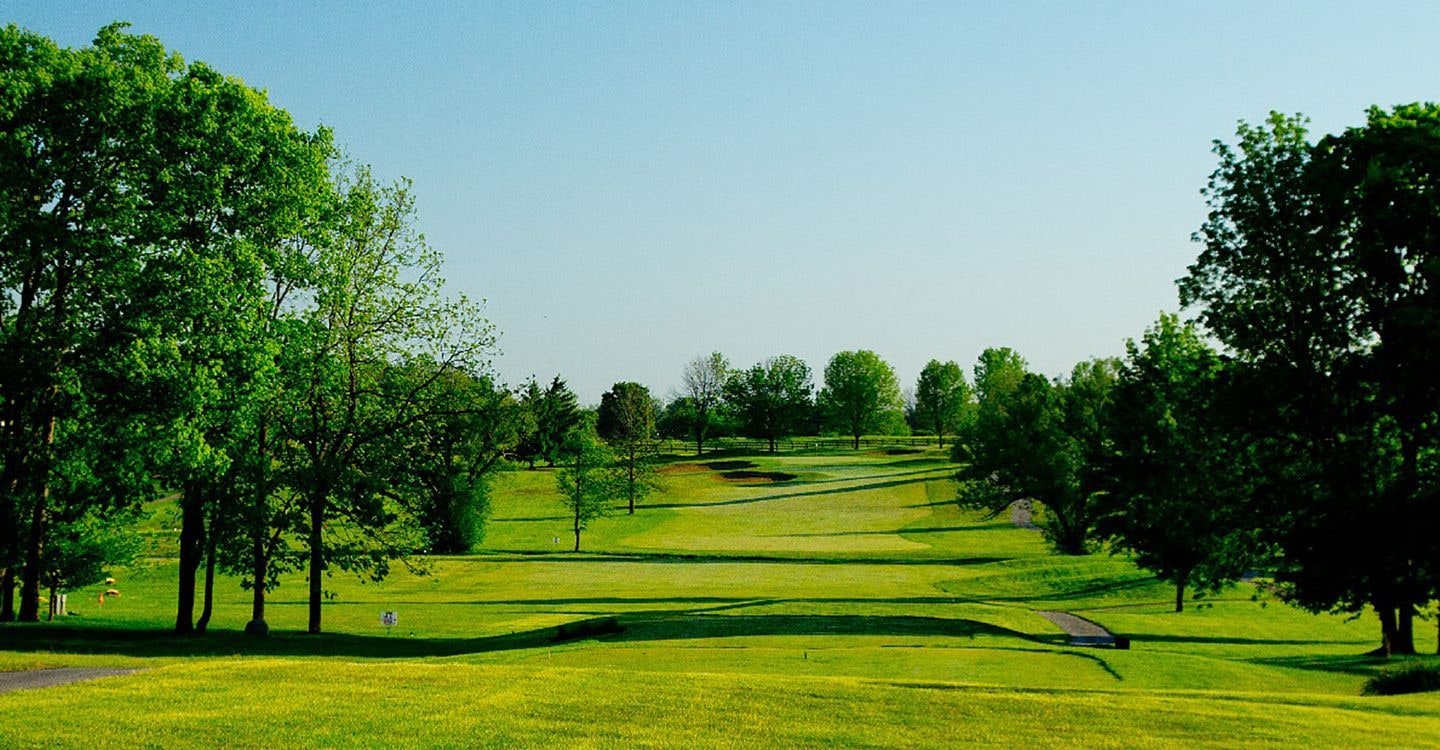
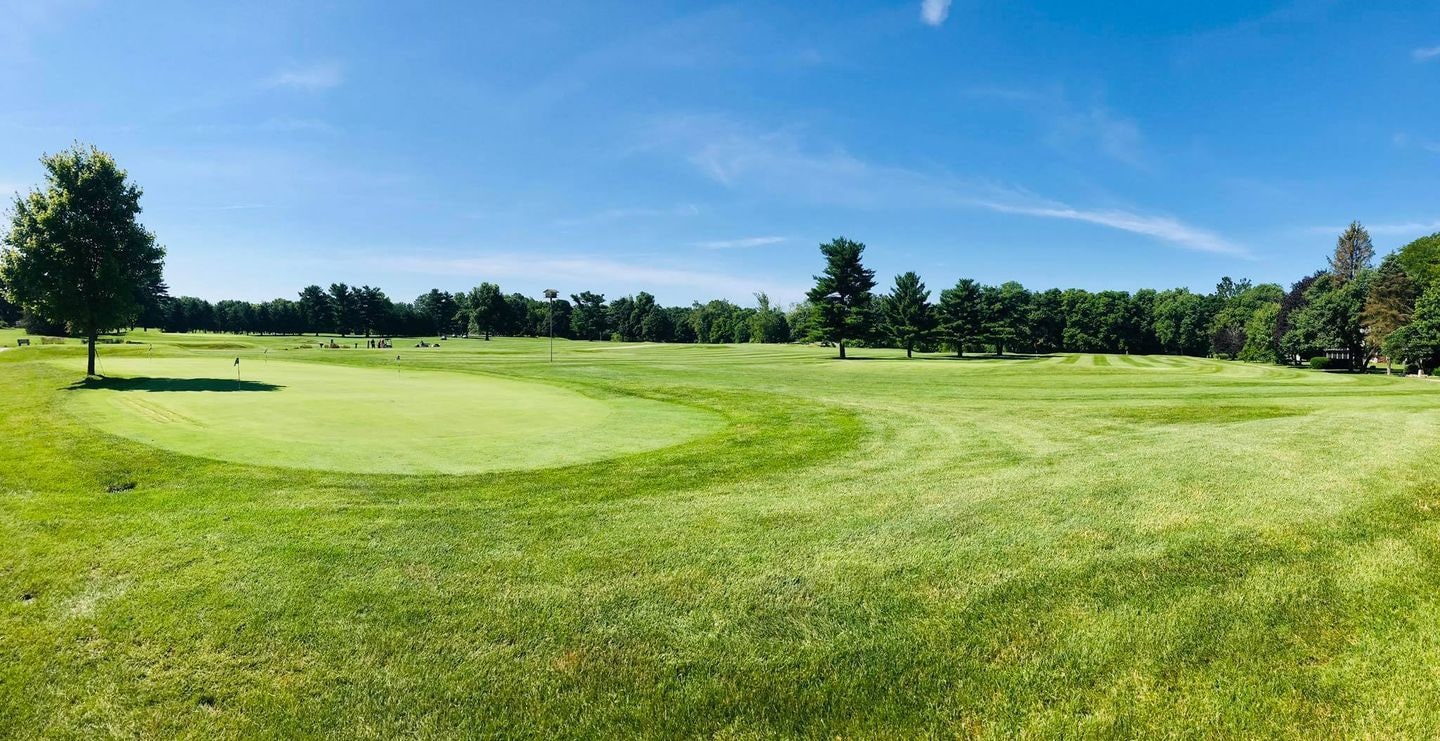
Twenty miles north of Indianapolis, in Carmel, the land does not announce itself. It is gentle farmland, and a first glance at Crooked Stick suggests something unassuming, a private club on a pleasant plain. Then you start walking, and the place begins to reveal how eccentric its design really is. The story begins in Scotland. In 1963 Pete and Alice Dye went over for the British Amateur at the Old Course, and afterward they kept going, visiting more than thirty courses across the country. Cruden Bay made a lasting impression on Pete. He came home with his head full of pot bunkers, wooden sleepers, small greens, blind shots, and undulating fairways. The next year, 1964, Crooked Stick was built, one of his first commissions, and those ideas crossed the Atlantic with him. They would show up in many of his American designs, and here they found a home. That is what sets this course apart. Crooked Stick was the one course the Dyes designed and built for themselves. No client was asking for an island green. No one wanted the best players in the world punished. It was their home and their brainchild. Pete borrowed hole concepts from the greats, from Alister MacKenzie, A.W. Tillinghast, Donald Ross, Perry Maxwell, and William B. Langford, and he let their influences sit side by side. The result is a conglomeration of styles, each hole with its own refined and distinct identity, so that the eighteen together make a captivating quest. The Dye classics are all here, the S-curving fairways, the quirky bunkering, the water. But they speak in a quieter and more sophisticated voice than they do at TPC Sawgrass or the Ocean Course. Even the timber has a story. P.C. Reilly, a founding member, gave Pete loads of reject railroad ties and telephone poles from Reilly Tar & Chemical Corporation so he could mimic the embankments he had seen in Scotland. Pete trucked the extra material to The Golf Club in Ohio to use there, too. The club nearly went by a plainer name, The Golf Club of Indianapolis. In the fall of 1964, Pete and co-director Bill Wick walked the site, and Pete came upon a fallen branch that resembled a golf club and began whacking rocks around in the dirt. The two joked that this was probably how the game began. Wick later wrote an essay explaining the name to the membership, and Crooked Stick was ratified in the spring of 1965. Pete lived a wedge shot from the 18th, and the course became his personal playground, a place to tinker with new concepts. Its architecture spans his earliest days as a designer to his very last, nearly fifty years of trial, error, and evolution. The championships came as well: the 1982 U.S. Junior Amateur, the 1984 U.S. Senior Amateur, and then the 73rd PGA Championship in 1991, for which the course was dramatically overhauled, and which John Daly won. After that came the 1993 Ladies Open, the 2006 Solheim Cup, the 2007 Women's Amateur, and the 2009 U.S. Senior Open. Through it all the course kept evolving to suit championship needs and agronomic advances, right up until Pete's and Alice's last days. The par-three 13th holds the Dye temperament in a single shot. Pete called it "a nice, fairly simple, straightforward hole. But I left a mound in the fairway... so when you're standing on the tee, you can only see part of the green... and I've heard more people complain about that blind hole. But... it sticks in their minds." That was the bargain he offered: a little irritation in exchange for a memory you cannot shake. When they were not away on golfing business, Pete and Alice played seven holes together every day. People sometimes wonder which single course they would play for the rest of their lives. Pete Dye may have answered that question with his feet. In 2024, consulting architect Tom Doak and Eric Iverson led a restoration, rebuilding the greens, updating outdated infrastructure, and recapturing features that had been lost. It is a fitting chapter for a course that spent so many years being shaped by loving hands.
Getting there
Crooked Stick Golf Club sits just north of Indianapolis, accessible via Indianapolis International Airport (IND), roughly thirty minutes south by car through the rolling terrain of central Indiana. The drive north from the airport carries you through suburban transitions before the landscape opens into the gentle, wooded countryside that defines this corner of the state - a quieter approach befitting one of the Midwest's most storied private clubs. For those arriving by private aircraft, Indianapolis Executive Airport (MDS) offers a closer alternative, positioning you mere minutes from the club's entrance. The final stretch winds through tree-lined roads that frame the approach to Crooked Stick's gates, where the course's championship pedigree - home to the 1991 PGA Championship - announces itself through the quality of the grounds and the understated confidence of the clubhouse.
FAQ
Common questions about Crooked Stick
Ratings, design, and course details pulled from Course Vaults.
Crooked Stick has a Course Vaults score of 8.7 out of 10 based on 56 logged golfers.
Crooked Stick was designed by Pete Dye and Alice Dye.
Crooked Stick is listed as private on Course Vaults; guest access is typically restricted.
Par at Crooked Stick is 72.
Crooked Stick plays 7,516 yards from the back tees on Course Vaults.
The slope rating at Crooked Stick is 148.