

Cabot Links Course
Cabot Cape Breton


Public: #45
Public: #3
Public: #2


About this course
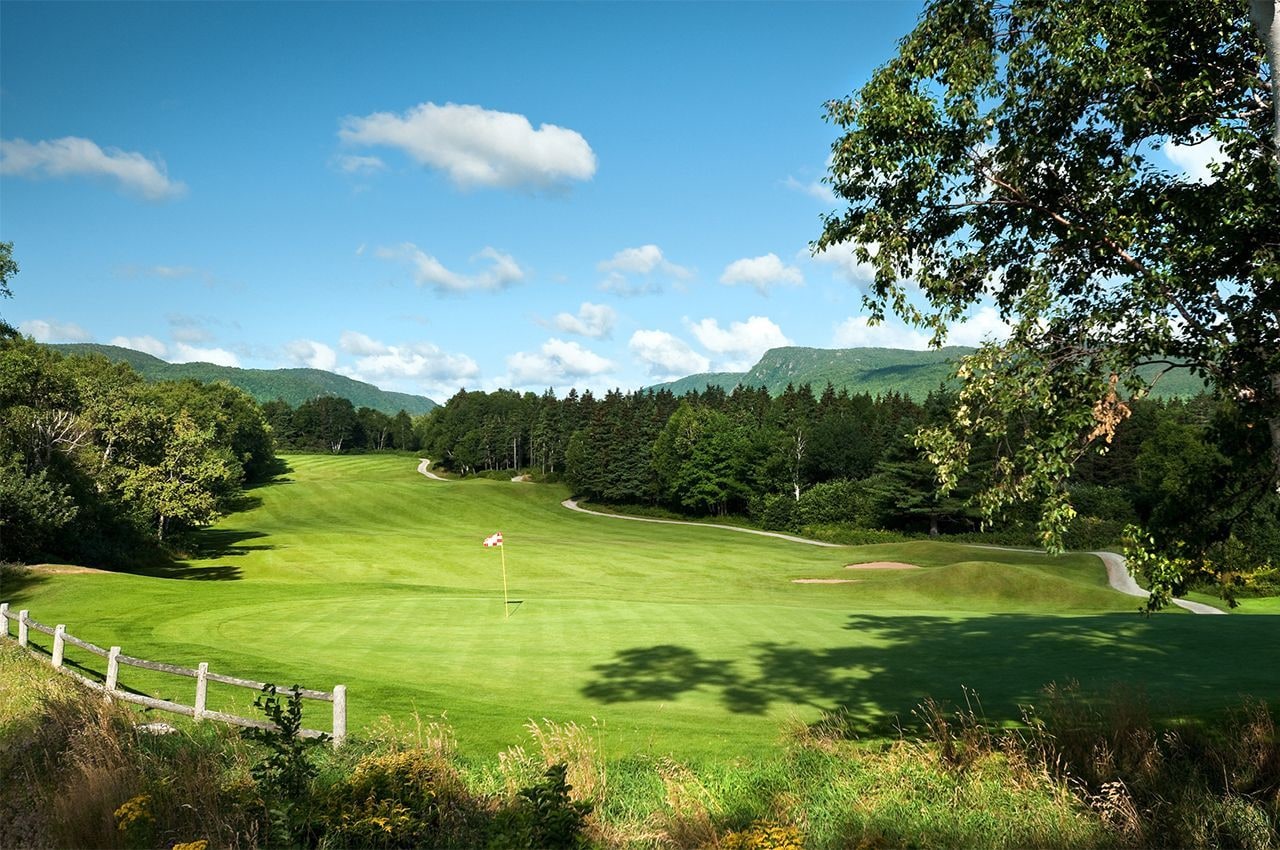
There is a particular kind of faith required to build a golf course when the world is telling you to stop. The Great Recession of 2008 rocked the business of building golf courses, and through 2008 and 2009 you could count on one hand the courses that kept on with construction. Cabot Links was one of them. It began as the passion project of Ben Cowan-Dewar, and it gathered real momentum when Mike Keiser, the founder of Bandon Dunes, joined the cause. His Oregon resort had already brought golfers out to the rural west coast, so a venue on the east coast made a certain sense. If one coast could draw pilgrims, why not the other? Undeterred by the financial crisis, Cowan-Dewar pressed on, and the course opened for preview play in 2011 before settling into full operation in 2012. What makes that persistence feel almost romantic is where it was aimed. Inverness is a small fishing village in Nova Scotia, in eastern Canada, and the resort there was as big a swing in golf tourism as the one Keiser had taken in Oregon. The nearest international commercial airport sits three hours away. The season is limited. The location raised some eyebrows, and it is easy to see why. Lessons had been learned, and golfers had grown more used to the idea of traveling to far-fetched places for the game, but Cape Breton added a new level of complexity: a long journey, a narrow window, and a leap of faith. Then the course opened, and the photographs began to flow. Word of its quality spread, and it became clear that world-class golf would bring people to this remote Canadian island. The long trip stopped looking like a reason to stay home and started looking like part of the pull. The architect was Rod Whitman, and his presence lingers in a way that has nothing to do with yardage books. Just east of the resort's main paddock sits Whit's Public House, named for him, the most approachable dining option on the property and a good place to unwind at the end of a day. There is something fitting about the man who shaped the course lending his name to the room where golfers gather once the round is done. The course and the evenings that follow it end up sharing a signature. What may stay with you longest, though, is how close the golf sits to the shore. Inverness Beach lies just steps off the course, with more than one way down to it. A boardwalk runs along the tee boxes on the 8th hole, and you can enter the beach from there. Another path runs around the back of the 16th green. Resort guests and the public alike can stroll or drive down to the water, which means the shore belongs to the village as much as to the golfers. Between rounds, or instead of one, the beach is simply there, an open invitation to walk. And directly across from the resort's entrance stands the Inverness Miner's Museum, a reminder of what this place was before golfers arrived. Coal mining dominated the area through the 19th and 20th centuries, and the last mine closed well before Cabot ever opened its doors. That history gives the course a quiet weight. Inverness had already lived one life built on what lay beneath the ground. Cabot Links offered it another, built beside the sea and carried through the hardest years of the recession on a stubborn belief that people would make the long trip to play there.
Quick facts
- Location
- Inverness, Nova Scotia, CA
- Access
- Public
- Year built
- 2012
- Holes
- 18
- Designer
- Rod Whitman
- Par
- 70
- Length
- 6,854 yards
- Difficulty
- 74.6/132
- Course Vaults score
- 9.0
Getting there
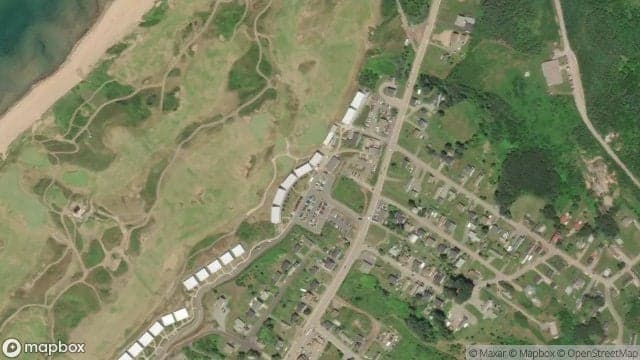
The journey to Cabot Cape Breton begins at Halifax Stanfield International Airport (YHZ), the gateway to Nova Scotia, followed by a transformative four-hour drive northwest across the province. The route traces the edge of the Northumberland Strait before climbing into the rugged highlands of Cape Breton Island, where the landscape shifts from pastoral farmland to windswept coastal drama. As you crest the final ridge and descend toward Inverness, the Gulf of St. Lawrence reveals itself in full - a vast expanse of steel-blue water meeting the sky - and the remote, clifftop silhouette of Cabot Cape Breton emerges as both destination and reward for those who've made the pilgrimage to Canada's western shore.
FAQ
Common questions about Cabot Links at Cabot Cape Breton
Ratings, design, and course details pulled from Course Vaults.
Cabot Links at Cabot Cape Breton has a Course Vaults score of 9.0 out of 10 based on 128 logged golfers.
Cabot Links was designed by Rod Whitman.
Yes. Cabot Links at Cabot Cape Breton is listed as welcoming public or guest play on Course Vaults.
Par at Cabot Links is 70.
Cabot Links plays 6,854 yards from the back tees on Course Vaults.
The slope rating at Cabot Links is 132.