Start your course passport
Download Course Vaults on iOS and log the next course you play.
Download Course Vaults on iOS and log the next course you play.
Williamsburg Course


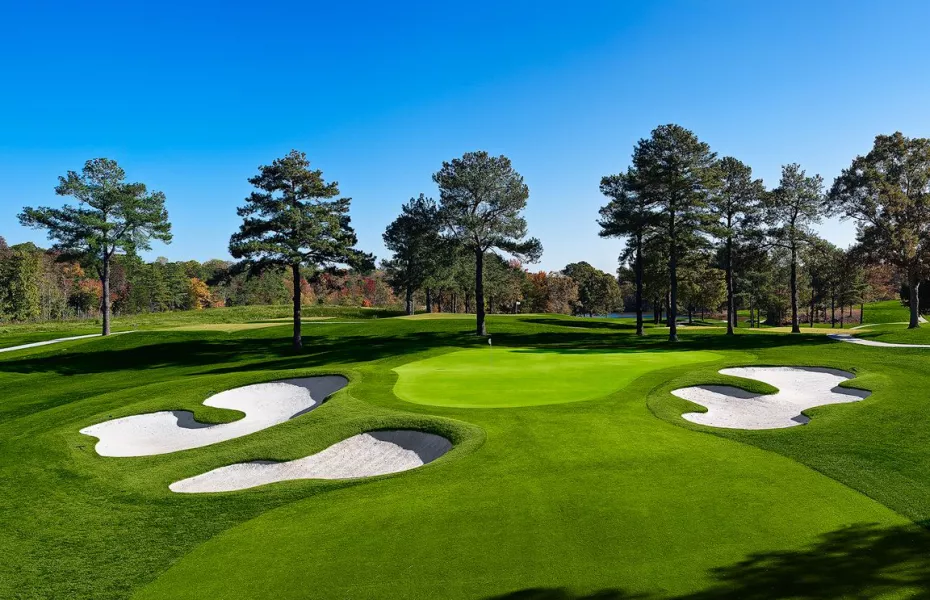
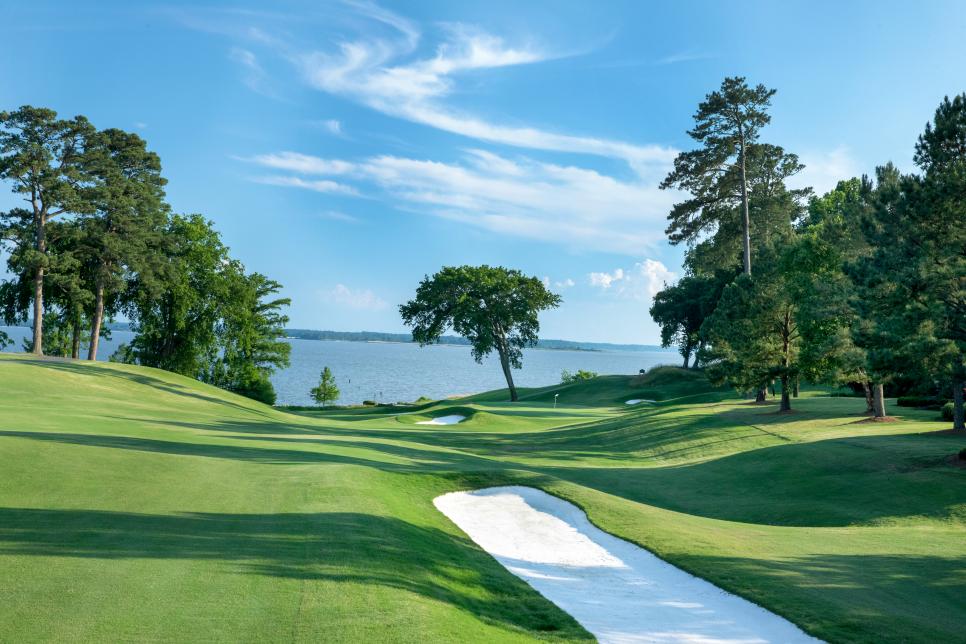
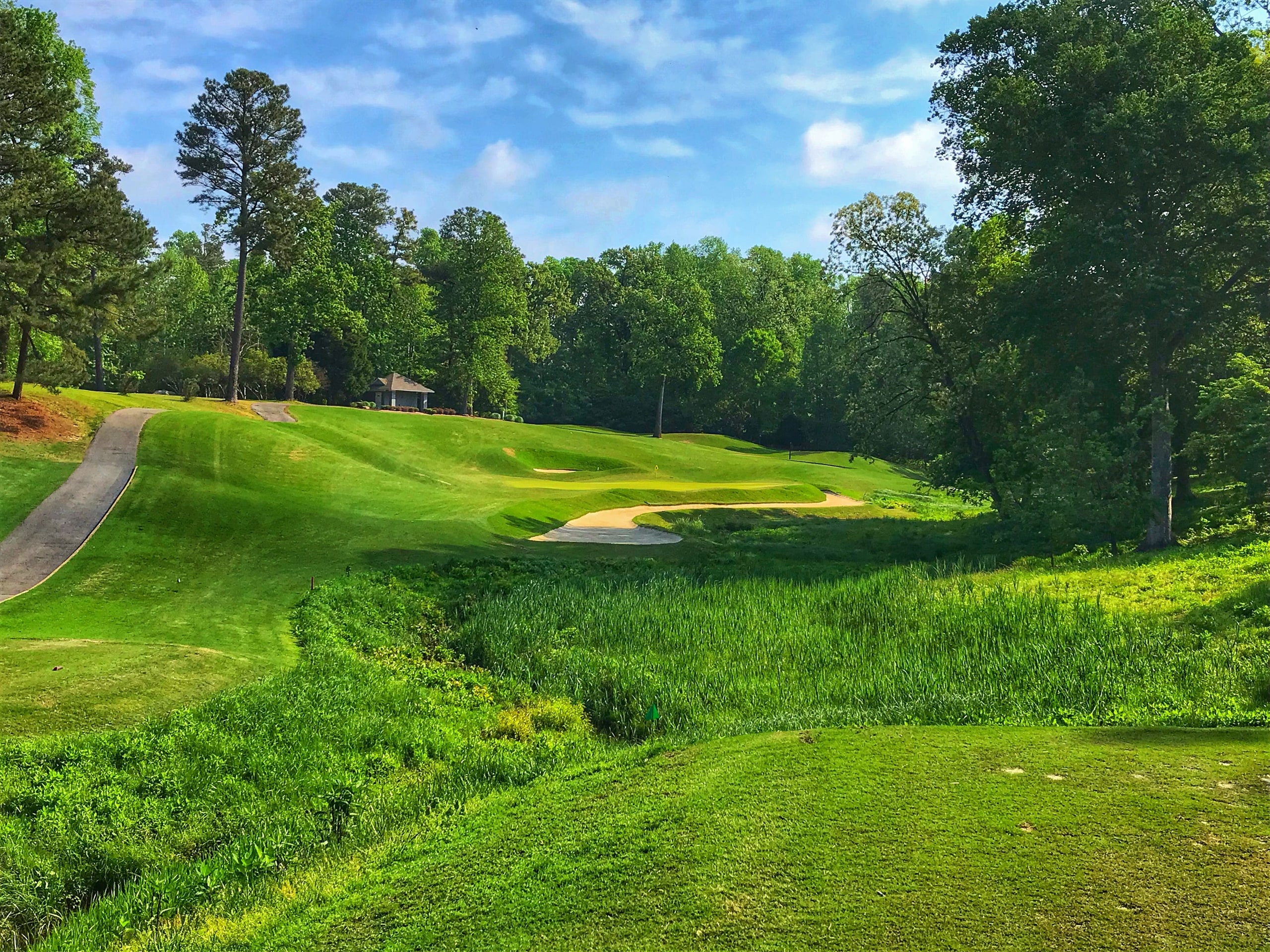
Williamsburg Club sits in the historic Tidewater region of Virginia, where the area's colonial heritage and natural coastal plain topography shape the golfing landscape. The course was designed by Bill Gordon and David Gordon, a father-son architectural team known for their work across the Mid-Atlantic. The Gordons typically favor routing that works with existing land contours rather than imposing dramatic earthwork, a practical approach suited to the relatively gentle terrain common to this part of Virginia. The property occupies land characteristic of the region—modest elevation changes, stands of mature hardwoods and pines, and soil that drains reasonably well despite the proximity to the Chesapeake Bay watershed. Courses in this area often feature tree-lined fairways that demand accuracy from the tee, with greens that incorporate subtle breaks reflective of the natural roll of the land. Water features, whether natural or constructed, frequently come into play given the local hydrology. Williamsburg itself draws visitors primarily for Colonial Williamsburg and the concentration of golf courses that have developed around the tourism economy. The club operates within this context, serving both members and guests in a region where golf is part of the broader recreational appeal. The setting offers a quieter alternative to the more publicized resort courses nearby, with a layout that emphasizes playability and familiarity with local conditions over dramatic design statements.

FAQ
Ratings, design, and course details pulled from Course Vaults.
Williamsburg was designed by Bill Gordon and David Gordon.
Williamsburg is listed as private on Course Vaults; guest access is typically restricted.
Par at Williamsburg is 72.
Williamsburg plays 6,837 yards from the back tees on Course Vaults.
The slope rating at Williamsburg is 136.
Williamsburg is a 18-hole course.
Williamsburg Course
Williamsburg Club sits in the historic Tidewater region of Virginia, where the area's colonial heritage and natural coastal plain topography shape the golfing landscape. The course was designed by Bill Gordon and David Gordon, a father-son architectural team known for their work across the Mid-Atlantic. The Gordons typically favor routing that works with existing land contours rather than imposing dramatic earthwork, a practical approach suited to the relatively gentle terrain common to this part of Virginia. The property occupies land characteristic of the region—modest elevation changes, stands of mature hardwoods and pines, and soil that drains reasonably well despite the proximity to the Chesapeake Bay watershed. Courses in this area often feature tree-lined fairways that demand accuracy from the tee, with greens that incorporate subtle breaks reflective of the natural roll of the land. Water features, whether natural or constructed, frequently come into play given the local hydrology. Williamsburg itself draws visitors primarily for Colonial Williamsburg and the concentration of golf courses that have developed around the tourism economy. The club operates within this context, serving both members and guests in a region where golf is part of the broader recreational appeal. The setting offers a quieter alternative to the more publicized resort courses nearby, with a layout that emphasizes playability and familiarity with local conditions over dramatic design statements.
Public courses closest to Williamsburg.
FAQ
Ratings, design, and course details pulled from Course Vaults.
Williamsburg was designed by Bill Gordon and David Gordon.
Williamsburg is listed as private on Course Vaults; guest access is typically restricted.
Par at Williamsburg is 72.
Williamsburg plays 6,837 yards from the back tees on Course Vaults.
The slope rating at Williamsburg is 136.
Williamsburg is a 18-hole course.