
Stadium Course
PGA West


Public: #181
Public: #86
Public: #4


About this course
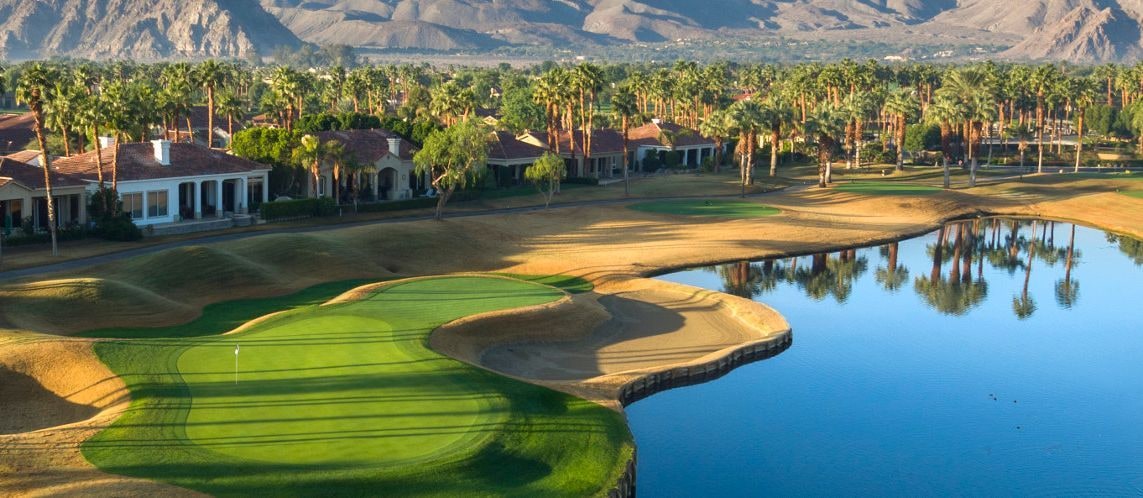
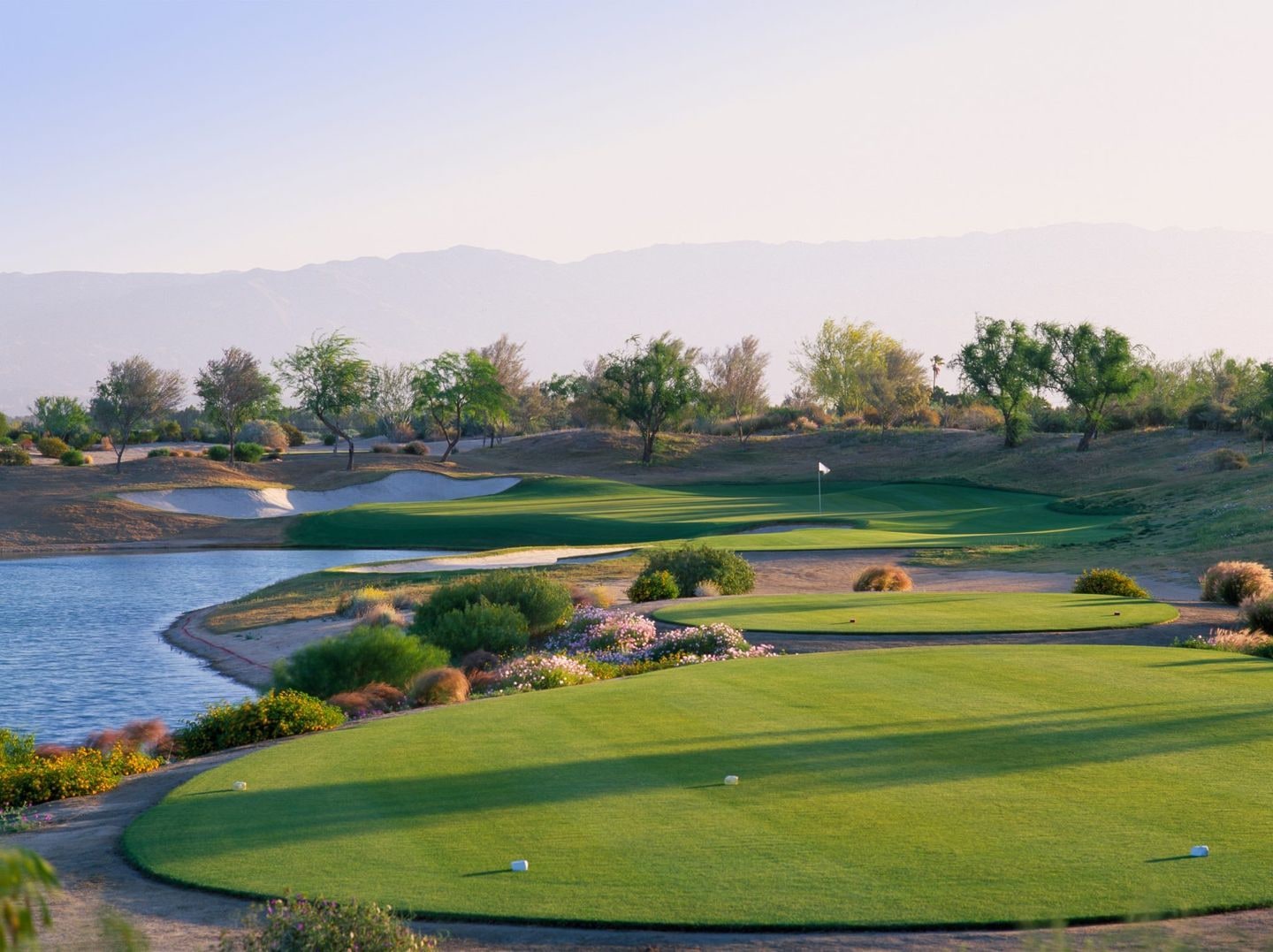
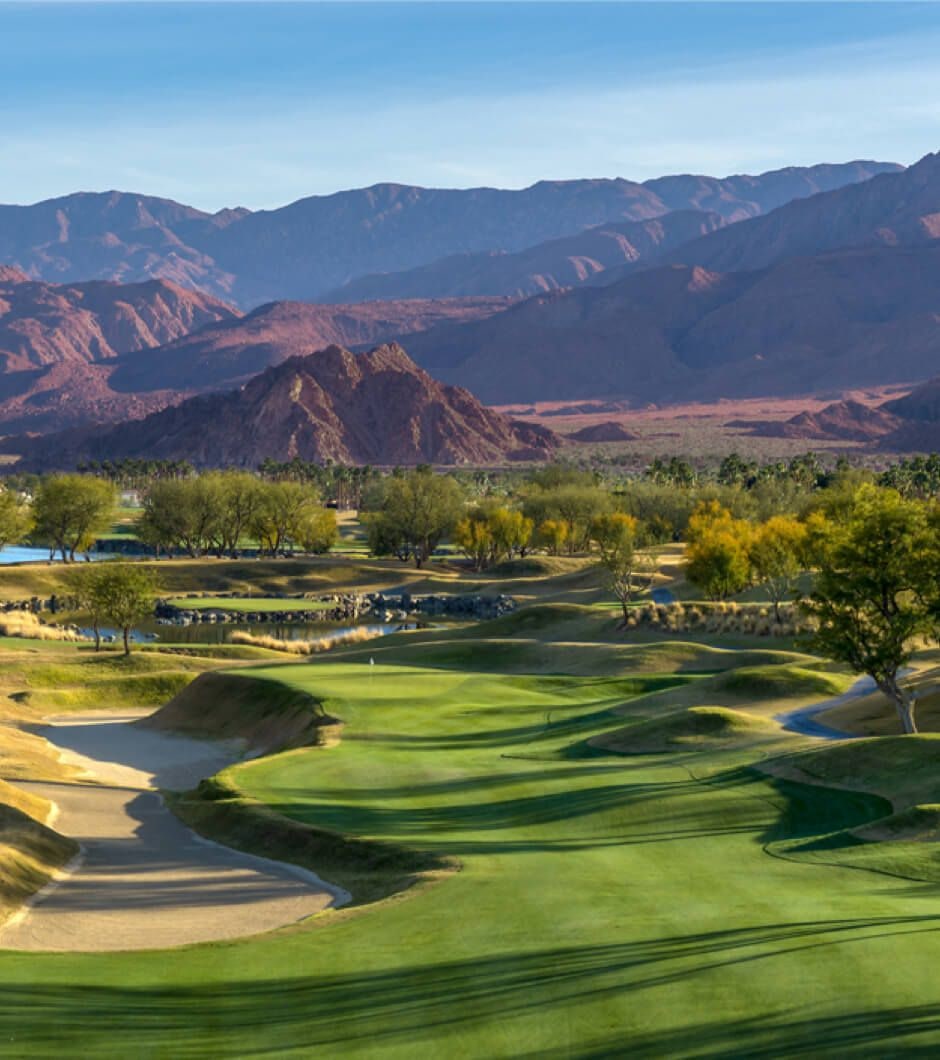
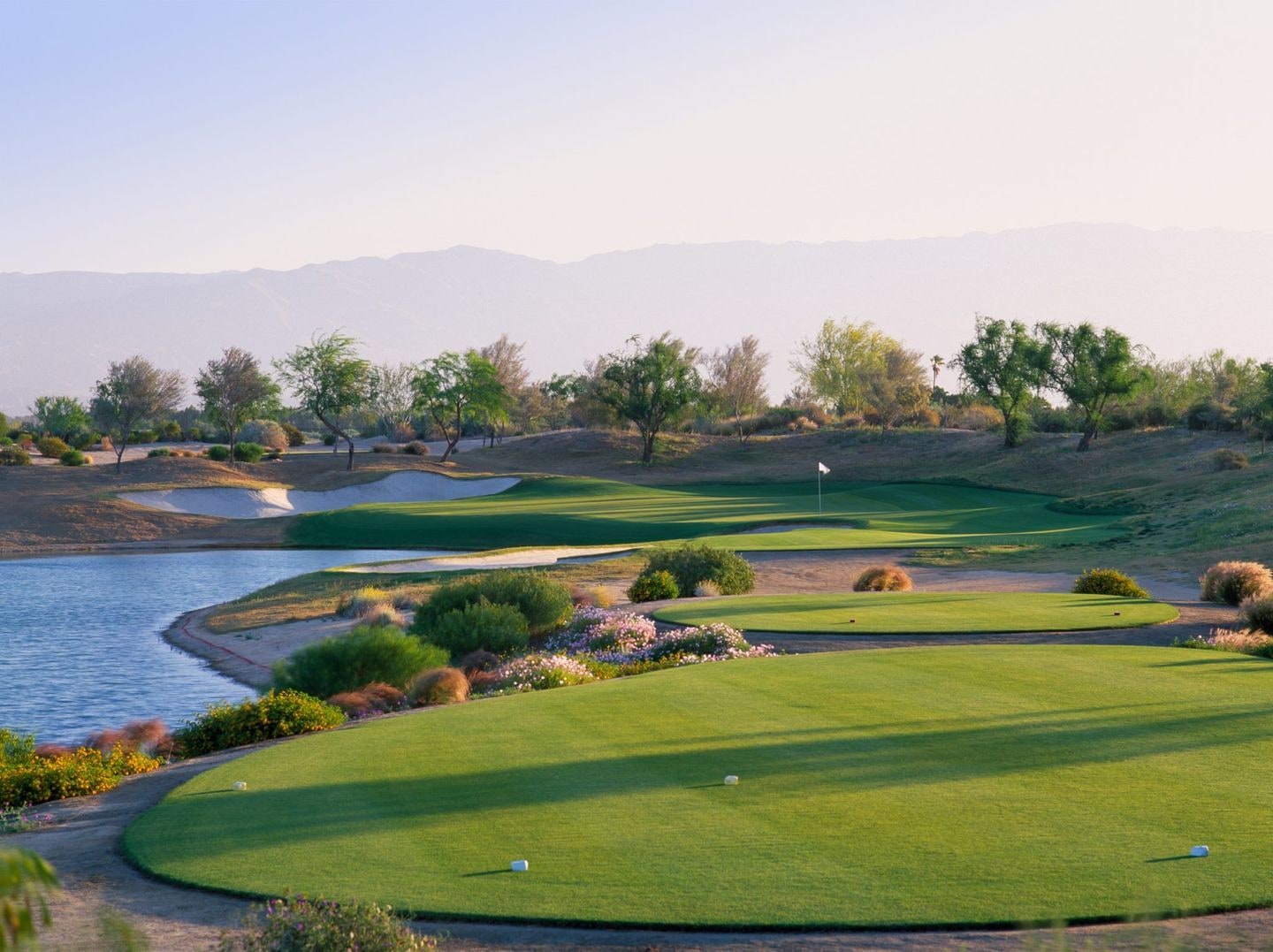
Some golf courses are found. PGA West Stadium was made, and it was made out of almost nothing. Pete Dye, who with his wife and design advisor Alice had built golf in cornfields, grazing meadows, swamps and coal country, called this ground the worst piece of land they ever started with: "featureless, barren acreage." That is where the romance begins. It is not a story about a setting that gave itself to the game. It is about two people who looked at flat desert near La Quinta and decided to argue with it. They were invited to argue. Joe Walser and Ernie Vossler were two Oklahoma golf pros who had built Oak Tree National with Dye in 1976. They had bought the La Quinta Hotel, about 25 miles south of Palm Springs, and hired him for the Mountain and Dunes courses in 1980 and 1981. A few years later they called him back with a brief that fit in a single breath: build "the hardest damn golf course in the world." Five years earlier Dye had turned a poor property into the Stadium Course at TPC Sawgrass, and he went at the desert the same way, moving exceptional amounts of dirt until the land became a stern test. The course first opened to the public in 1986, ahead of the 1987 Bob Hope Classic. It stretched nearly 7,300 yards when that was a startling number, and it carried a USGA course rating of 77.1, the highest ever given. Water touches half the holes on the card. It gathers at the 5th through the 7th, waits again around the turn, and returns for the closing two holes, so the round tightens like a fist just when a player hopes to loosen up. Vossler himself worried about one hazard, a 19-foot bunker left of the 16th green. He dropped a handful of sand at its lowest point and told the architect that if he could get a ball out of there, "then the damn bunker's alright with me." The exchange says a great deal about the place: even the man who ordered the hardest course in the world could flinch at a single hole. Then comes the 17th, 168 yards to a tiny island green, a hole known as Alcatraz. It asks for a do-or-die tee shot and nothing else. It is also the hole behind the course's most joyful moment. The Skins Game, the televised four-ball that ran for twenty-six years, was the first big event at the Stadium Course in 1986, with Jack Nicklaus, Arnold Palmer, Fuzzy Zoeller and Lee Trevino. When it returned in 1987, Trevino made a hole in one at Alcatraz and won a carry-over skin worth $175,000. On a course built to punish, one of its brightest memories is a single perfect swing. The professionals at the 1987 Bob Hope Classic were not fans. On a few cold, windy days the scoring average soared; John Adams shot 84 here the day after a 69 at Indian Wells. Soon after the tournament the players signed a petition, and the course was removed from the schedule. It had once been slated for the 1991 Ryder Cup, which went instead to another brand-new Dye design, the Ocean Course at Kiawah Island, a course Walser and Vossler would also build. The Stadium Course returned to the schedule in 2016, and every two years it hosts the PGA Tour Q-School Finals, played over the same water and the same deep sand. It is the toughest of the three public tracks at PGA West, and around it sit three more 18-hole layouts by Arnold Palmer, Jack Nicklaus and Tom Weiskopf, open for private play. But the Stadium Course remains the one that was asked a reckless question and answered it honestly. Two people stood on ground with nothing to say and gave it a voice that golfers still argue with.
Quick facts
- Location
- La Quinta, CA, USA
- Access
- Public
- Year built
- 1986
- Holes
- 18
- Par
- 72
- Length
- 7,300 yards
- Difficulty
- 82.5/154
- Course Vaults score
- 8.4
Getting there
The journey to PGA West begins at nearby Palm Springs International Airport (PSP), a mere twenty minutes north by car through the low desert scrub and date palm groves that define the Coachella Valley floor. For those arriving by private aircraft, the resort's proximity to several regional airstrips - including Bermuda Dunes Airport and the more distant but well-appointed facilities at San Bernardino International (SBD) - offers flexibility for seamless touchdown. The final approach winds south from Palm Springs proper, descending gradually into La Quinta as the San Jacinto Mountains rise dramatically to the west, their rocky ridges framing the resort's entrance like a natural amphitheater. Within minutes of leaving the highway, the manicured fairways and championship layouts of PGA West materialize across the desert floor - a verdant oasis that announces itself with unmistakable authority against the austere beauty of the surrounding Sonoran landscape.
FAQ
Common questions about Stadium at PGA West
Ratings, design, and course details pulled from Course Vaults.
Stadium at PGA West has a Course Vaults score of 8.4 out of 10 based on 175 logged golfers.
Yes. Stadium at PGA West is listed as welcoming public or guest play on Course Vaults.
Par at Stadium is 72.
Stadium plays 7,300 yards from the back tees on Course Vaults.
The slope rating at Stadium is 154.
Stadium is a 18-hole course.