Start your course passport
Download Course Vaults on iOS and log the next course you play.
Download Course Vaults on iOS and log the next course you play.
Sapphire Valley Course




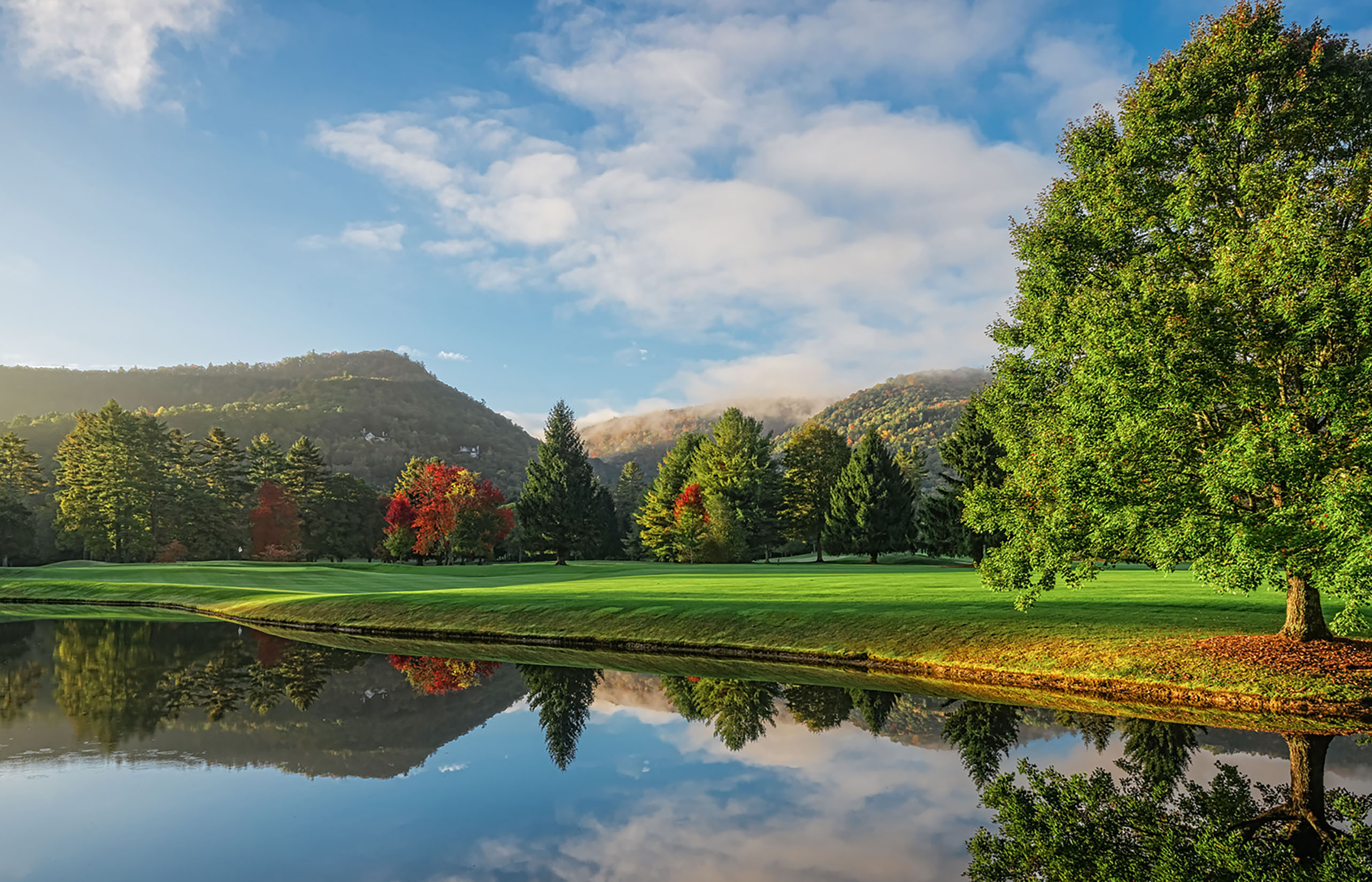
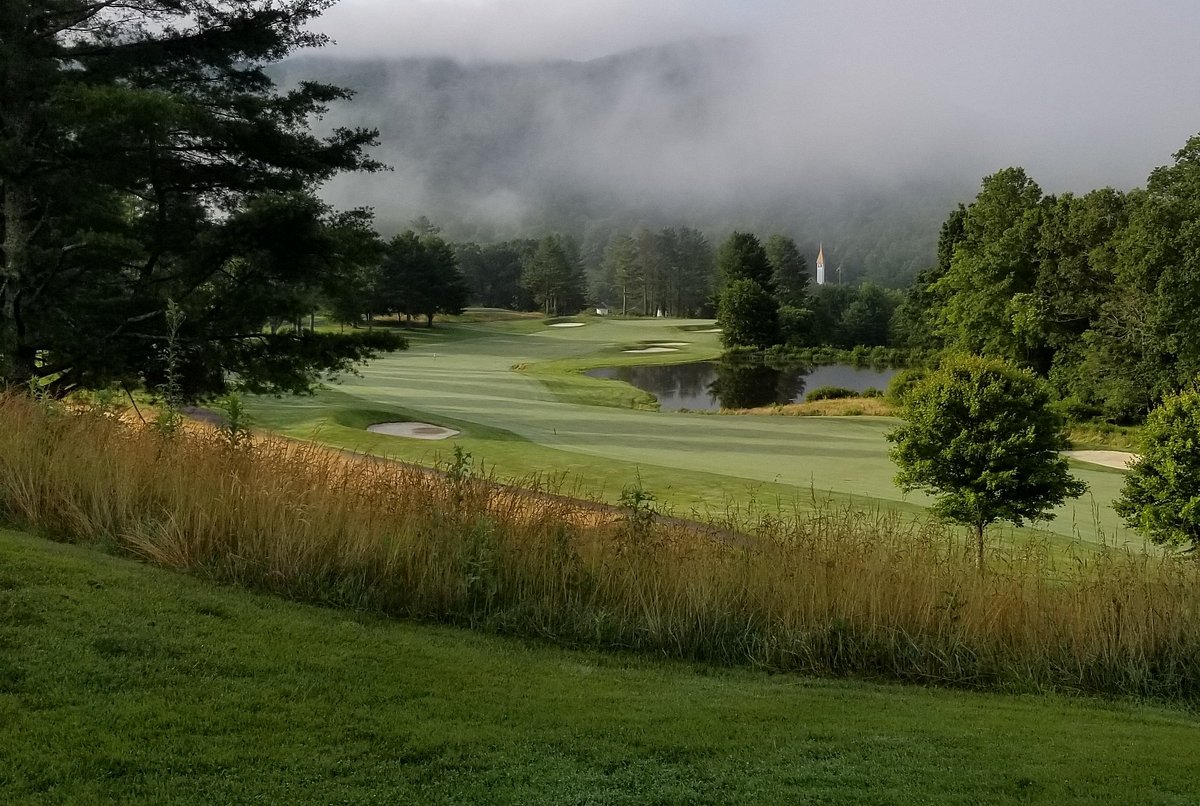
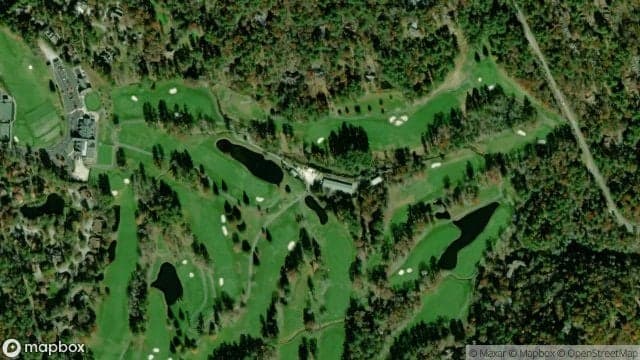
The Country Club of Sapphire Valley sits in the Blue Ridge Mountains of western North Carolina, near the Georgia and South Carolina borders. George Cobb designed the original layout in the 1960s, with later modifications by Bill Bergin. The course occupies a mountain valley setting at approximately 3,500 feet elevation, where the terrain and climate differ markedly from the Carolina piedmont and coastal regions. The routing works through rolling, forested terrain typical of southern Appalachian golf courses. Elevation changes are moderate rather than severe, and the layout incorporates natural features of the mountain landscape including streams and mature hardwoods. The design reflects Cobb's regional work during an era when mountain courses in this area emphasized playability for resort and second-home communities rather than championship length or difficulty. Sapphire Valley developed as a mountain resort community, and the golf course serves as its recreational centerpiece. The club operates in a setting where seasonal residents and visitors make up a significant portion of play, particularly during summer months when the higher elevation offers cooler temperatures. The course provides a mountain golf experience characteristic of the Cashiers-Highlands plateau region, an area known for its concentration of private clubs and resort properties that emerged during the mid-twentieth century development of western North Carolina's high country.
The journey to Country Club of Sapphire Valley begins at Asheville Regional Airport (AVL), roughly ninety minutes to the northwest, or alternatively through Charlotte Douglas International (CLT), a two-and-a-half-hour drive through the Piedmont before ascending into the Blue Ridge Mountains. From either gateway, the route winds steadily eastward and upward into the high country, trading piedmont flatland for increasingly dramatic ridgelines as elevation climbs past three thousand feet. The final approach to Sapphire Valley unfolds along mountain roads that cut through dense rhododendron thickets and Fraser fir forests, the air cooling noticeably as the club's manicured grounds emerge at altitude, offering a serene arrival that feels genuinely removed from the lowland world below.
FAQ
Ratings, design, and course details pulled from Course Vaults.
Sapphire Valley has a Course Vaults score of 6.6 out of 10 based on 8 logged golfers.
Sapphire Valley was designed by George Cobb and Bill Bergin.
Sapphire Valley is listed as private on Course Vaults; guest access is typically restricted.
Par at Sapphire Valley is 72.
Sapphire Valley plays 6,767 yards from the back tees on Course Vaults.
The slope rating at Sapphire Valley is 137.
Sapphire Valley Course
The Country Club of Sapphire Valley sits in the Blue Ridge Mountains of western North Carolina, near the Georgia and South Carolina borders. George Cobb designed the original layout in the 1960s, with later modifications by Bill Bergin. The course occupies a mountain valley setting at approximately 3,500 feet elevation, where the terrain and climate differ markedly from the Carolina piedmont and coastal regions. The routing works through rolling, forested terrain typical of southern Appalachian golf courses. Elevation changes are moderate rather than severe, and the layout incorporates natural features of the mountain landscape including streams and mature hardwoods. The design reflects Cobb's regional work during an era when mountain courses in this area emphasized playability for resort and second-home communities rather than championship length or difficulty. Sapphire Valley developed as a mountain resort community, and the golf course serves as its recreational centerpiece. The club operates in a setting where seasonal residents and visitors make up a significant portion of play, particularly during summer months when the higher elevation offers cooler temperatures. The course provides a mountain golf experience characteristic of the Cashiers-Highlands plateau region, an area known for its concentration of private clubs and resort properties that emerged during the mid-twentieth century development of western North Carolina's high country.
Public courses closest to Sapphire Valley.
The journey to Country Club of Sapphire Valley begins at Asheville Regional Airport (AVL), roughly ninety minutes to the northwest, or alternatively through Charlotte Douglas International (CLT), a two-and-a-half-hour drive through the Piedmont before ascending into the Blue Ridge Mountains. From either gateway, the route winds steadily eastward and upward into the high country, trading piedmont flatland for increasingly dramatic ridgelines as elevation climbs past three thousand feet. The final approach to Sapphire Valley unfolds along mountain roads that cut through dense rhododendron thickets and Fraser fir forests, the air cooling noticeably as the club's manicured grounds emerge at altitude, offering a serene arrival that feels genuinely removed from the lowland world below.
FAQ
Ratings, design, and course details pulled from Course Vaults.
Sapphire Valley has a Course Vaults score of 6.6 out of 10 based on 8 logged golfers.
Sapphire Valley was designed by George Cobb and Bill Bergin.
Sapphire Valley is listed as private on Course Vaults; guest access is typically restricted.
Par at Sapphire Valley is 72.
Sapphire Valley plays 6,767 yards from the back tees on Course Vaults.
The slope rating at Sapphire Valley is 137.