Royal Adelaide Course
Royal Adelaide Golf Club


About this course
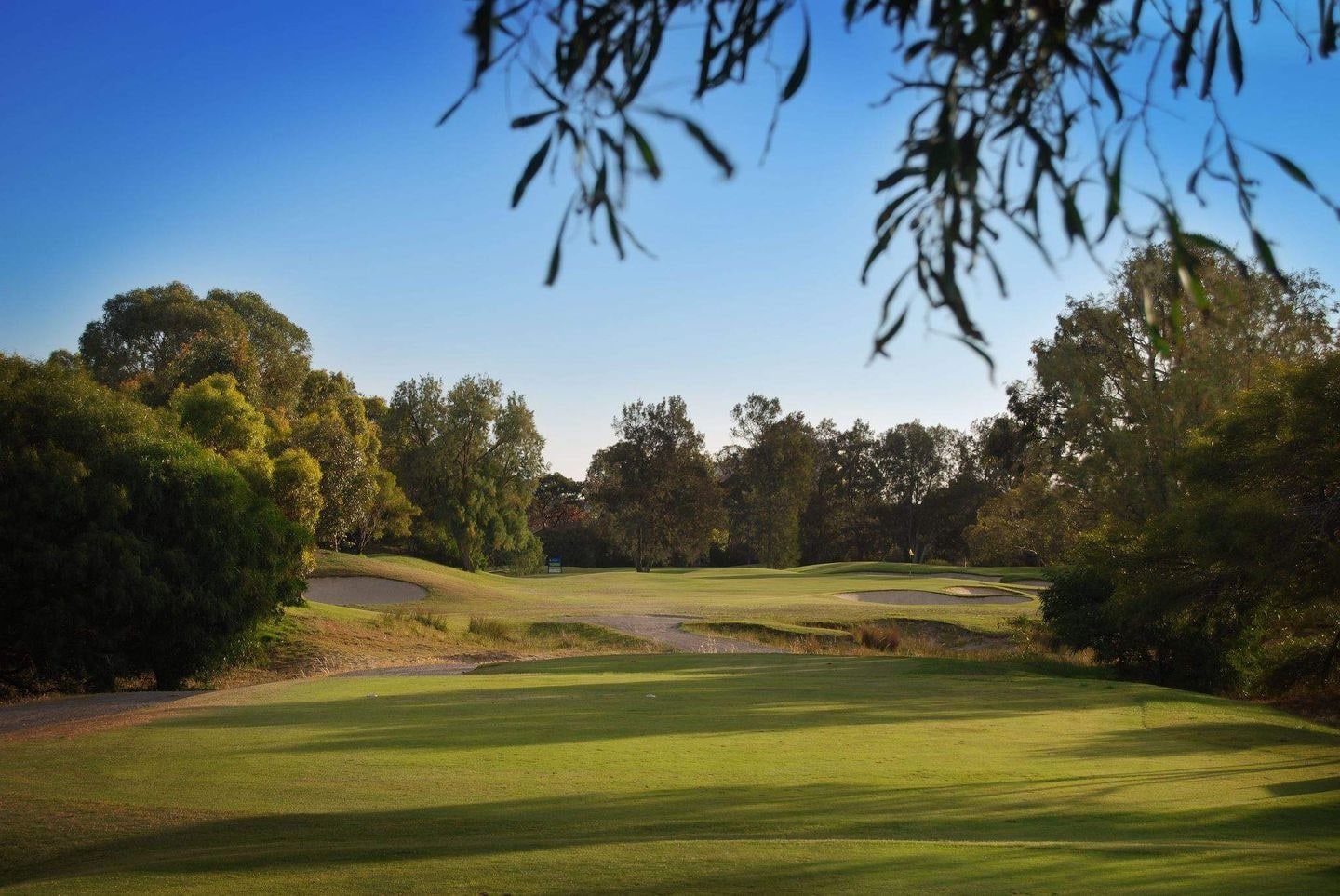
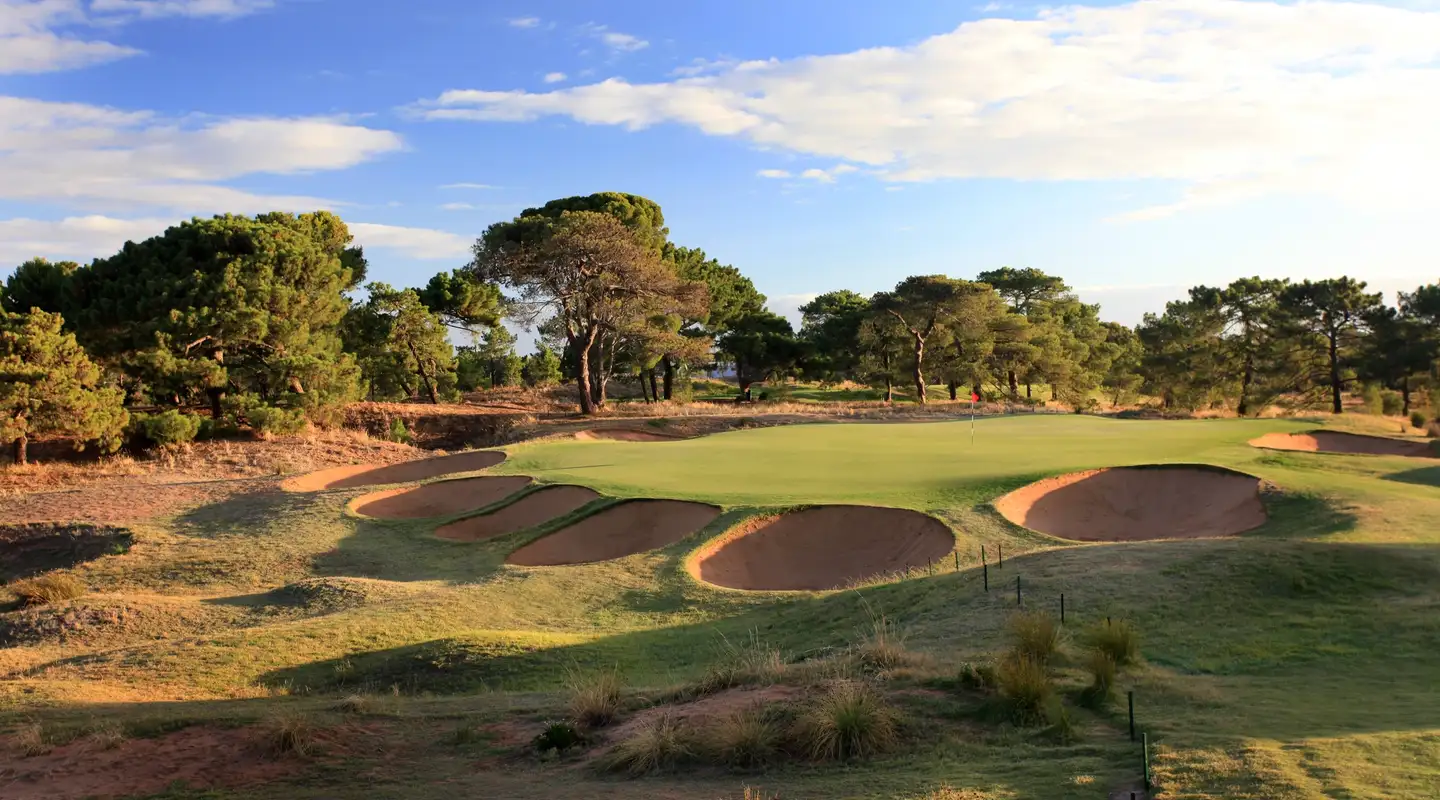
Royal Adelaide Golf Club occupies a distinctive sandbelt site in Seaton, a western suburb of Adelaide, approximately seven kilometers from the city center. The course was designed by Carnegie Clark and Alister MacKenzie, who visited Australia in 1926 and routed the layout across rolling dunelands covered in native scrub and tea-tree. MacKenzie's work here preceded his more famous Australian collaboration at Royal Melbourne, and the design reflects his characteristic use of natural contours, strategic bunkering, and greens that reward precise approach play. The course has undergone various modifications over the decades, with architects including J.H. Scott and more recently Michael Clayton contributing refinements that have sought to restore and enhance MacKenzie's original strategic concepts. The routing moves through varied terrain, with several holes playing along elevated ridgelines that offer views across the surrounding sandhills and toward the Gulf St Vincent. The bunkering features the deep, irregular shapes typical of MacKenzie's style, and the greens present subtle breaks and false fronts that demand careful reading. The native vegetation frames many holes and adds both visual character and strategic challenge to the layout. Royal Adelaide has hosted the Australian Open multiple times and remains one of the country's most respected championship venues. The club maintains traditional membership practices and a clubhouse atmosphere that reflects its long history in Australian golf. The course is generally regarded as one of the finest examples of sandbelt golf outside Melbourne's more famous cluster of courses.
Rankings
Ranked by CV ratings from golfers who've played this course. Positions are shown worldwide, by country, and by state; the Public column compares courses anyone can play.

Best in World
Quick facts
- Location
- Seaton, South Australia, AU
- Access
- Public
- Holes
- 18
- Par
- 72
- Length
- 6,009 metres
- Difficulty
- 75/136
Getting there
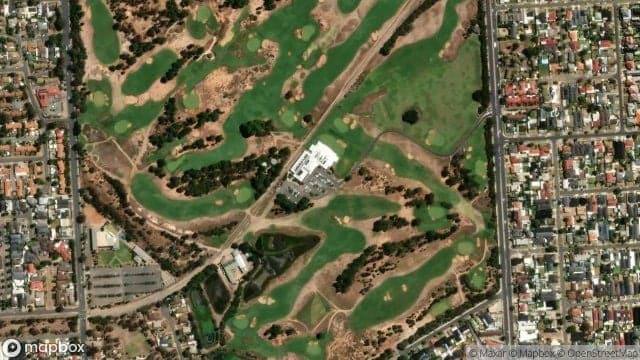
Most visitors to Royal Adelaide Golf Club arrive through Adelaide Airport, a twenty-minute drive northeast of the city center, before continuing west toward the coastal suburb of Seaton - a journey of roughly half an hour that traces the gentle arc of Gulf St Vincent. The route transitions from urban Adelaide through leafy western parklands before emerging onto the flat, windswept terrain that defines this stretch of South Australia's coastline. For those arriving by private aircraft, Parafield Airport offers a convenient alternative to the north, though the club's understated entrance on Military Road reveals little of the championship links that awaits beyond - a fitting introduction to one of Australia's most revered and deliberately secluded golfing grounds.
FAQ
Common questions about Royal Adelaide
Ratings, design, and course details pulled from Course Vaults.
Yes. Royal Adelaide is listed as welcoming public or guest play on Course Vaults.
Par at Royal Adelaide is 72.
Royal Adelaide plays 6,009 metres from the back tees on Course Vaults.
The slope rating at Royal Adelaide is 136.
Royal Adelaide is a 18-hole course.