Start your course passport
Download Course Vaults on iOS and log the next course you play.
Download Course Vaults on iOS and log the next course you play.
Rolling Hills Course
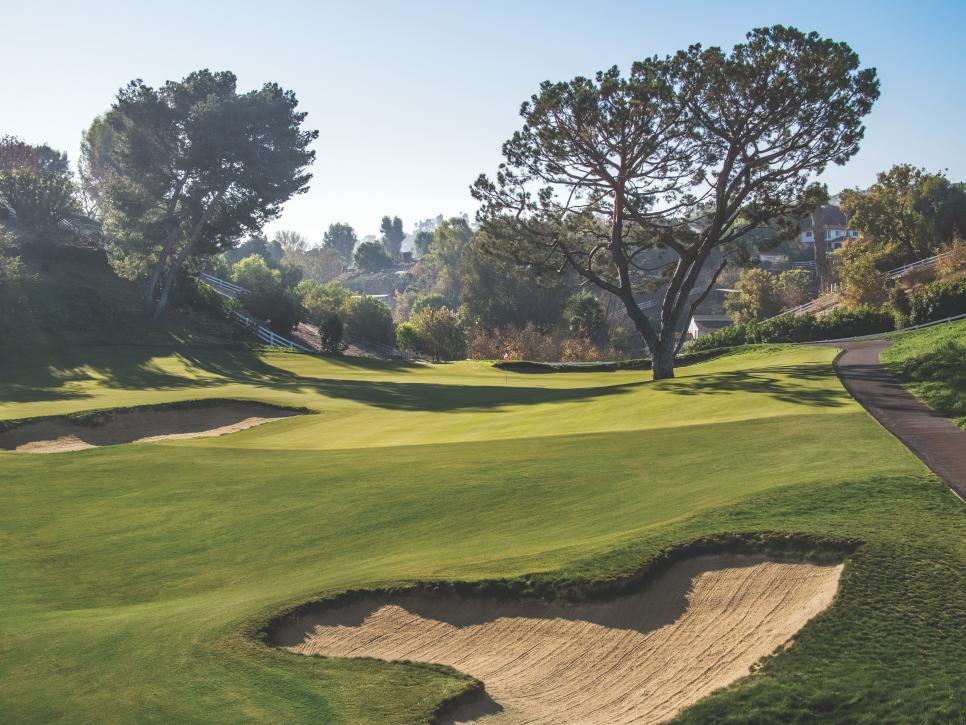
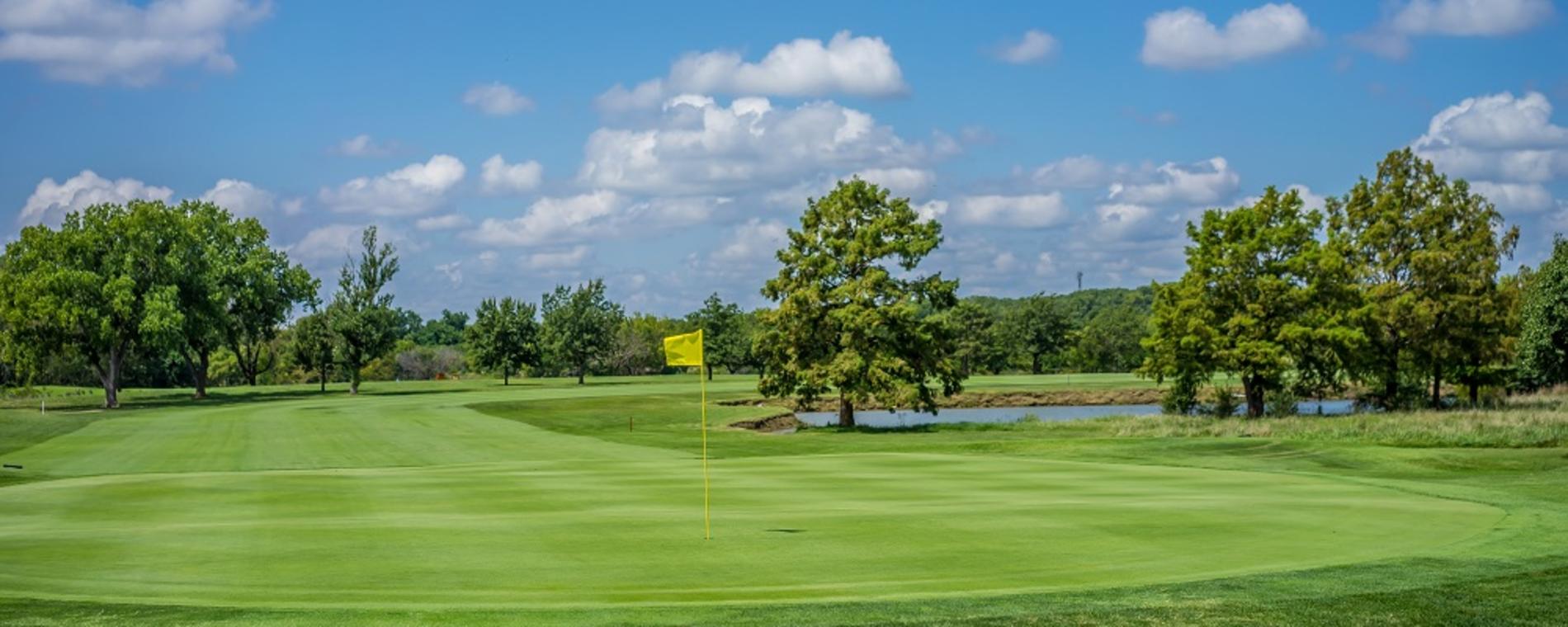
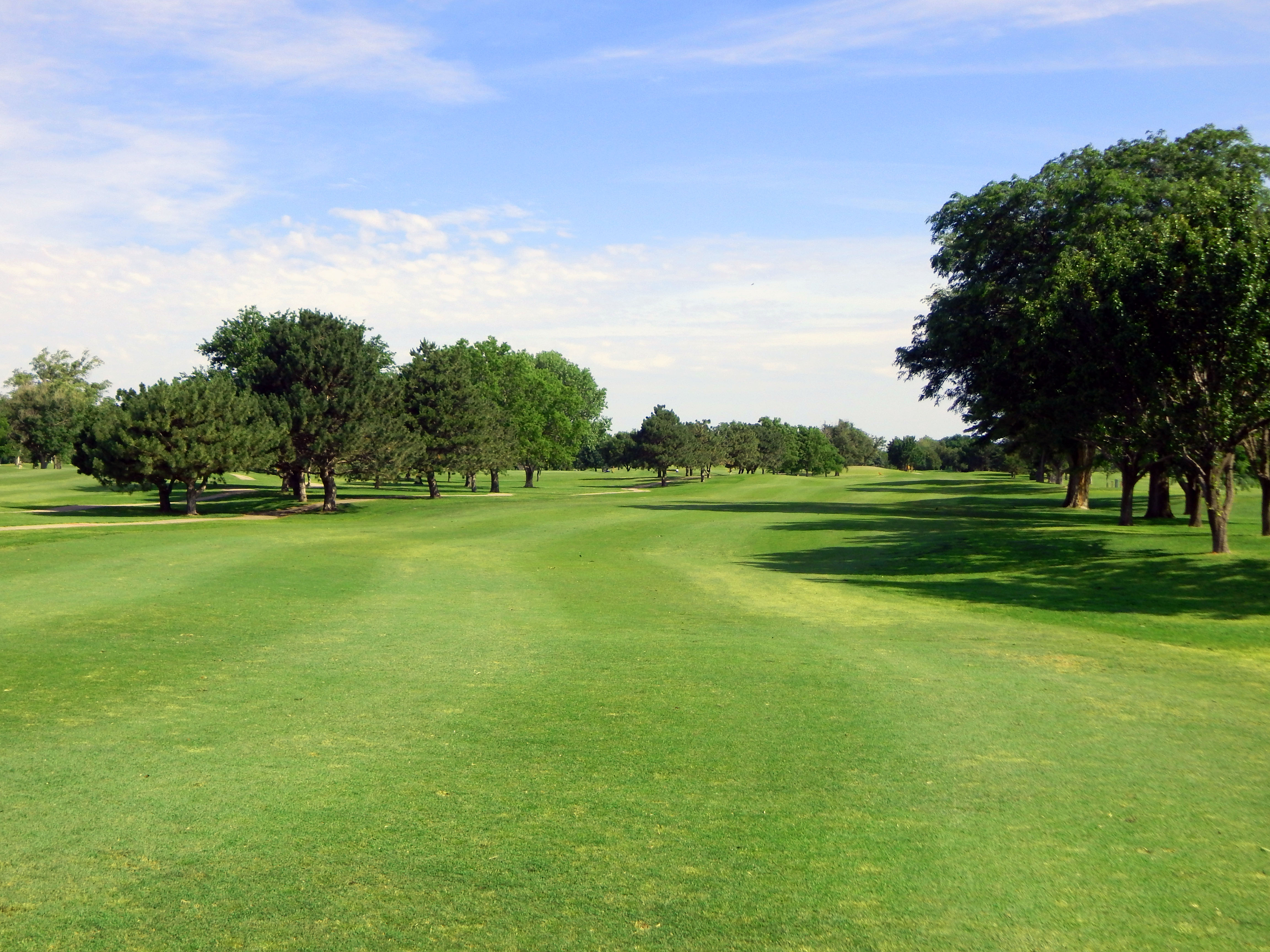
Rolling Hills Country Club sits in the northwest section of Wichita, where the Kansas landscape offers modest elevation changes that informed the course routing. Floyd Farley designed the layout, working within the regional tradition of prairie golf architecture that emphasizes strategic bunkering and green complexes suited to the area's wind conditions. The course reflects mid-century design principles common to the Great Plains, where architects often prioritized playability across different skill levels while incorporating the natural contours available. The property features tree-lined fairways that frame holes and provide definition, a characteristic of many established Kansas clubs from this era. Water comes into play on several holes, adding variety to the strategic demands. The greens typically show moderate undulation, requiring careful approach play and thoughtful putting. Farley's routing takes advantage of the rolling terrain that gives the club its name, creating elevation changes that are significant by regional standards and add visual interest throughout the round. Rolling Hills has served as a private club for the Wichita community for decades, hosting local amateur competitions and providing a home course for generations of Kansas golfers. The club maintains traditional country club amenities and a membership culture rooted in the social and recreational patterns of midwestern private clubs. The course represents a period of golf development in Kansas when communities of this size supported multiple private facilities, each serving distinct neighborhoods and membership bases within the broader metropolitan area.
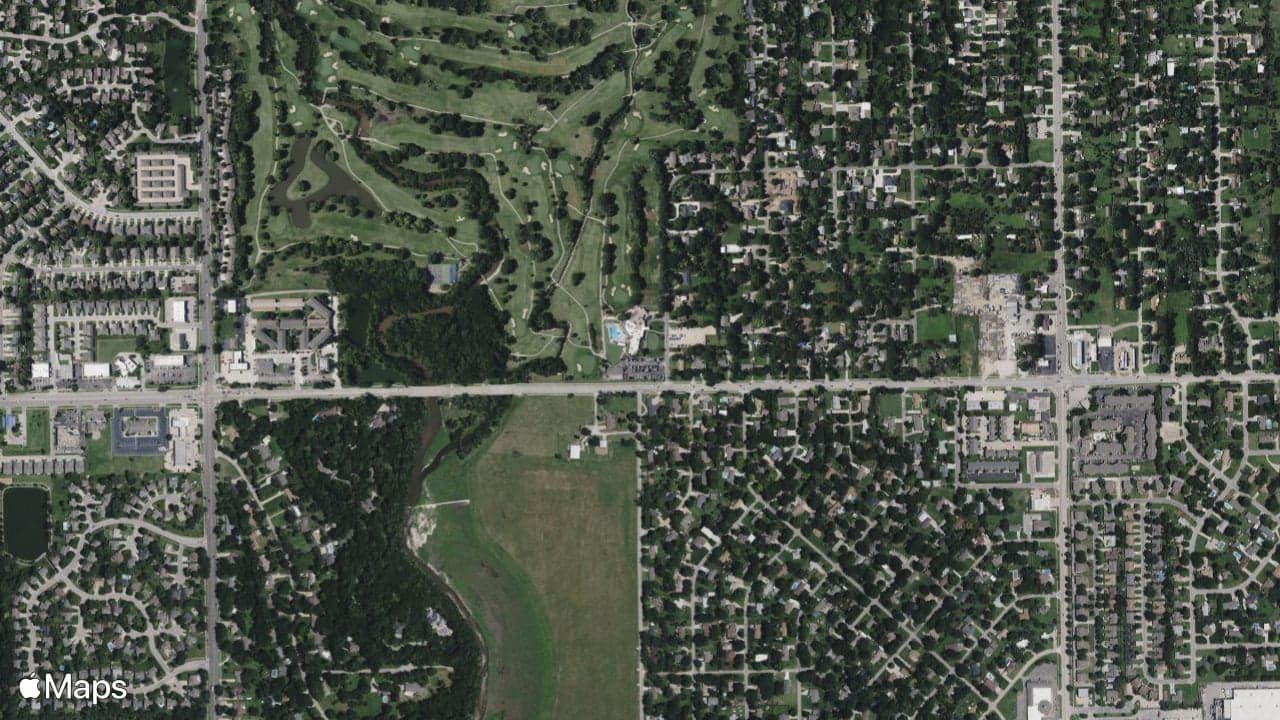
Rolling Hills Country Club is most readily accessed via Dwight D. Eisenhower National Airport (MHK) in nearby Manhattan, Kansas, roughly ninety minutes to the northeast, or via Wichita Dwight D. Eisenhower National Airport (ICT), the region's primary hub, situated approximately thirty minutes south of the club. For those traveling by private aviation, Wichita's Colonel James Jabara Airport (FOE) provides convenient proximity to the grounds. The drive from ICT carries you north through the gently rolling prairie landscape of south-central Kansas, where wheat fields and open sky gradually give way to the manicured grounds and tree-lined fairways that distinguish Rolling Hills from the surrounding plains. The final miles wind through Wichita's established neighborhoods before arriving at a club that has long served as an anchor of golf tradition in the American heartland.
FAQ
Ratings, design, and course details pulled from Course Vaults.
Rolling Hills was designed by Floyd Farley.
Rolling Hills is listed as private on Course Vaults; guest access is typically restricted.
Par at Rolling Hills is 72.
Rolling Hills plays 6,679 yards from the back tees on Course Vaults.
The slope rating at Rolling Hills is 138.
Rolling Hills is a 18-hole course.
Rolling Hills Course
Rolling Hills Country Club sits in the northwest section of Wichita, where the Kansas landscape offers modest elevation changes that informed the course routing. Floyd Farley designed the layout, working within the regional tradition of prairie golf architecture that emphasizes strategic bunkering and green complexes suited to the area's wind conditions. The course reflects mid-century design principles common to the Great Plains, where architects often prioritized playability across different skill levels while incorporating the natural contours available. The property features tree-lined fairways that frame holes and provide definition, a characteristic of many established Kansas clubs from this era. Water comes into play on several holes, adding variety to the strategic demands. The greens typically show moderate undulation, requiring careful approach play and thoughtful putting. Farley's routing takes advantage of the rolling terrain that gives the club its name, creating elevation changes that are significant by regional standards and add visual interest throughout the round. Rolling Hills has served as a private club for the Wichita community for decades, hosting local amateur competitions and providing a home course for generations of Kansas golfers. The club maintains traditional country club amenities and a membership culture rooted in the social and recreational patterns of midwestern private clubs. The course represents a period of golf development in Kansas when communities of this size supported multiple private facilities, each serving distinct neighborhoods and membership bases within the broader metropolitan area.
Public courses closest to Rolling Hills.
Rolling Hills Country Club is most readily accessed via Dwight D. Eisenhower National Airport (MHK) in nearby Manhattan, Kansas, roughly ninety minutes to the northeast, or via Wichita Dwight D. Eisenhower National Airport (ICT), the region's primary hub, situated approximately thirty minutes south of the club. For those traveling by private aviation, Wichita's Colonel James Jabara Airport (FOE) provides convenient proximity to the grounds. The drive from ICT carries you north through the gently rolling prairie landscape of south-central Kansas, where wheat fields and open sky gradually give way to the manicured grounds and tree-lined fairways that distinguish Rolling Hills from the surrounding plains. The final miles wind through Wichita's established neighborhoods before arriving at a club that has long served as an anchor of golf tradition in the American heartland.
FAQ
Ratings, design, and course details pulled from Course Vaults.
Rolling Hills was designed by Floyd Farley.
Rolling Hills is listed as private on Course Vaults; guest access is typically restricted.
Par at Rolling Hills is 72.
Rolling Hills plays 6,679 yards from the back tees on Course Vaults.
The slope rating at Rolling Hills is 138.
Rolling Hills is a 18-hole course.