Start your course passport
Download Course Vaults on iOS and log the next course you play.
Download Course Vaults on iOS and log the next course you play.
Rolling Hills Course


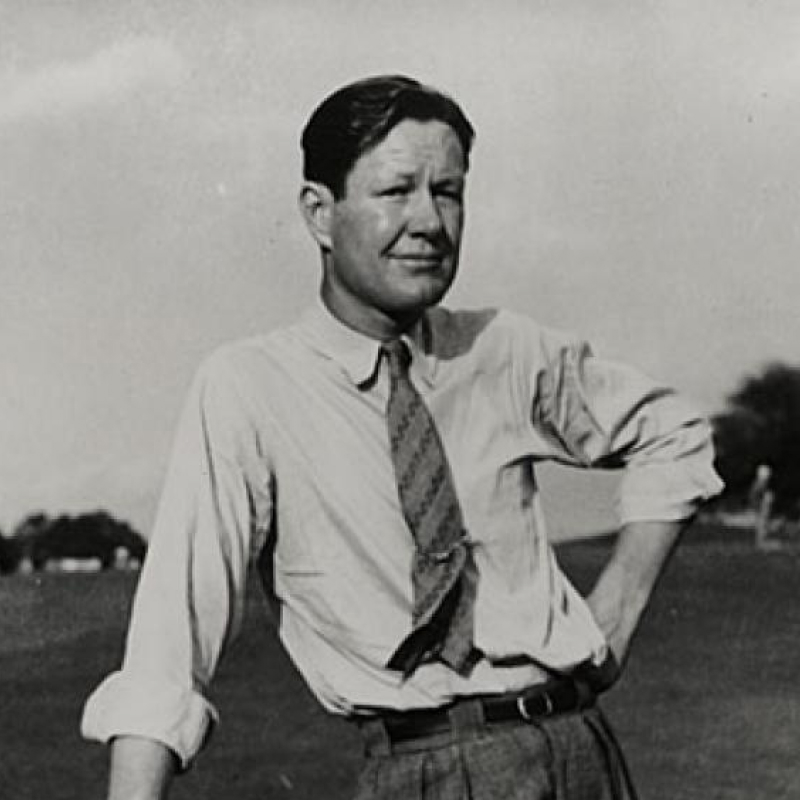

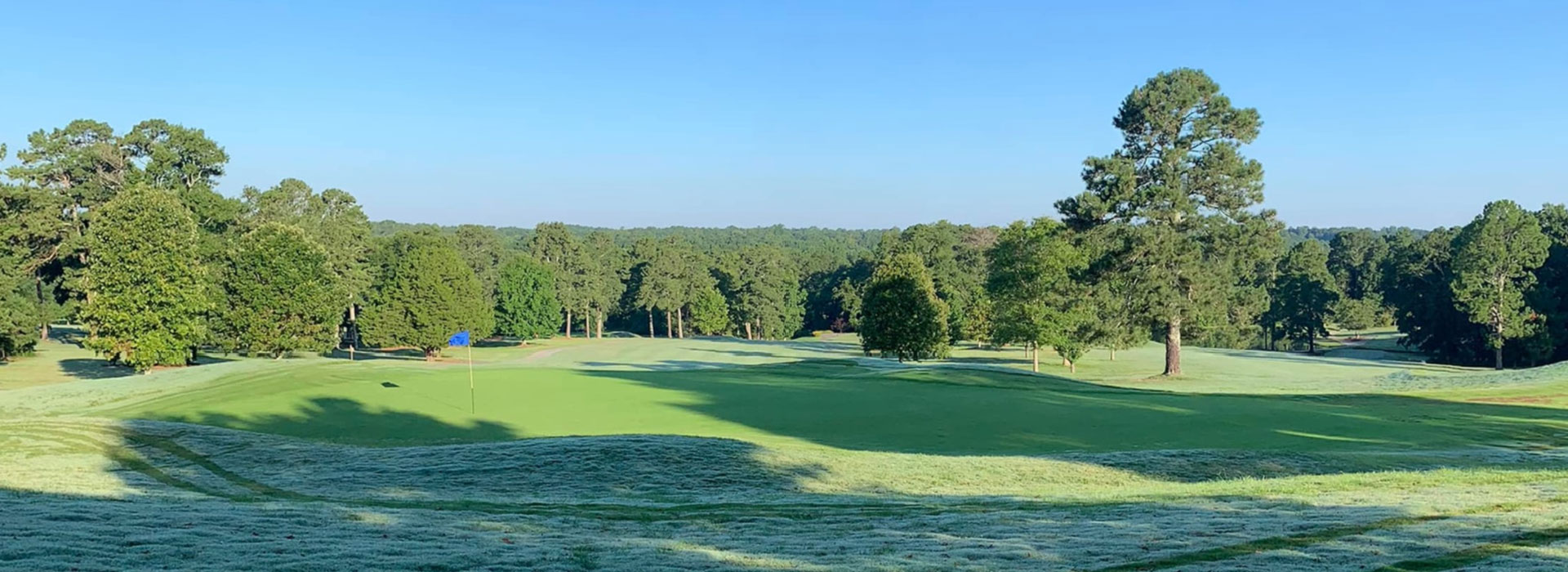
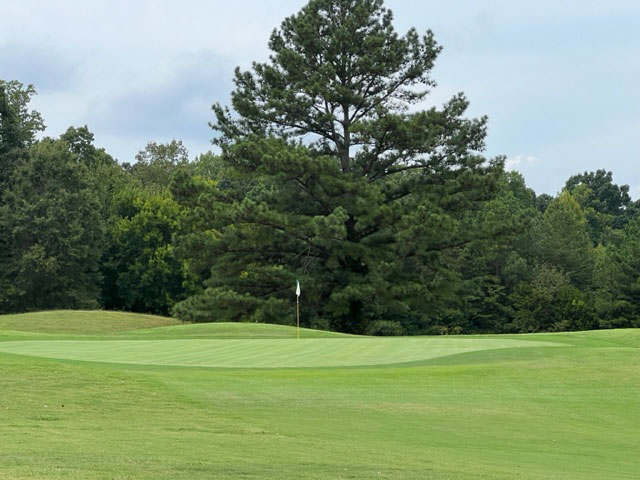
Rolling Hills Country Club sits in Monroe, North Carolina, a town roughly thirty miles southeast of Charlotte in the piedmont region of the state. The course was designed by George Cobb, a prolific architect who worked extensively across the Carolinas and the Southeast from the 1950s through the 1970s. Cobb's portfolio includes numerous daily-fee and private club layouts, and his designs typically reflect the rolling terrain and pine-bordered corridors characteristic of the region. The course takes advantage of the natural topography that gives the club its name, with elevation changes that add strategic interest to approach shots and create variety in stance and lie. Cobb's routing style often incorporated doglegs and strategic bunkering that reward position off the tee, and Rolling Hills likely follows these principles within its piedmont setting. The layout moves through stands of mature hardwoods and pines, with fairways that reflect the gentle to moderate undulations common to this part of North Carolina. Rolling Hills serves as a traditional country club for the Monroe community, offering a familiar blend of golf, social activities, and family amenities typical of mid-sized private clubs in the region. The course provides a straightforward test of golf suited to a range of skill levels, with enough character in its land and design to maintain interest for regular play.

FAQ
Ratings, design, and course details pulled from Course Vaults.
Rolling Hills has a Course Vaults score of 8.1 out of 10 based on 8 logged golfers.
Rolling Hills was designed by George Cobb.
Rolling Hills is listed as private on Course Vaults; guest access is typically restricted.
Par at Rolling Hills is 72.
Rolling Hills plays 6,818 yards from the back tees on Course Vaults.
The slope rating at Rolling Hills is 144.
Rolling Hills Course
Rolling Hills Country Club sits in Monroe, North Carolina, a town roughly thirty miles southeast of Charlotte in the piedmont region of the state. The course was designed by George Cobb, a prolific architect who worked extensively across the Carolinas and the Southeast from the 1950s through the 1970s. Cobb's portfolio includes numerous daily-fee and private club layouts, and his designs typically reflect the rolling terrain and pine-bordered corridors characteristic of the region. The course takes advantage of the natural topography that gives the club its name, with elevation changes that add strategic interest to approach shots and create variety in stance and lie. Cobb's routing style often incorporated doglegs and strategic bunkering that reward position off the tee, and Rolling Hills likely follows these principles within its piedmont setting. The layout moves through stands of mature hardwoods and pines, with fairways that reflect the gentle to moderate undulations common to this part of North Carolina. Rolling Hills serves as a traditional country club for the Monroe community, offering a familiar blend of golf, social activities, and family amenities typical of mid-sized private clubs in the region. The course provides a straightforward test of golf suited to a range of skill levels, with enough character in its land and design to maintain interest for regular play.
Public courses closest to Rolling Hills.
FAQ
Ratings, design, and course details pulled from Course Vaults.
Rolling Hills has a Course Vaults score of 8.1 out of 10 based on 8 logged golfers.
Rolling Hills was designed by George Cobb.
Rolling Hills is listed as private on Course Vaults; guest access is typically restricted.
Par at Rolling Hills is 72.
Rolling Hills plays 6,818 yards from the back tees on Course Vaults.
The slope rating at Rolling Hills is 144.