
Orinda Course
Orinda Country Club


About this course
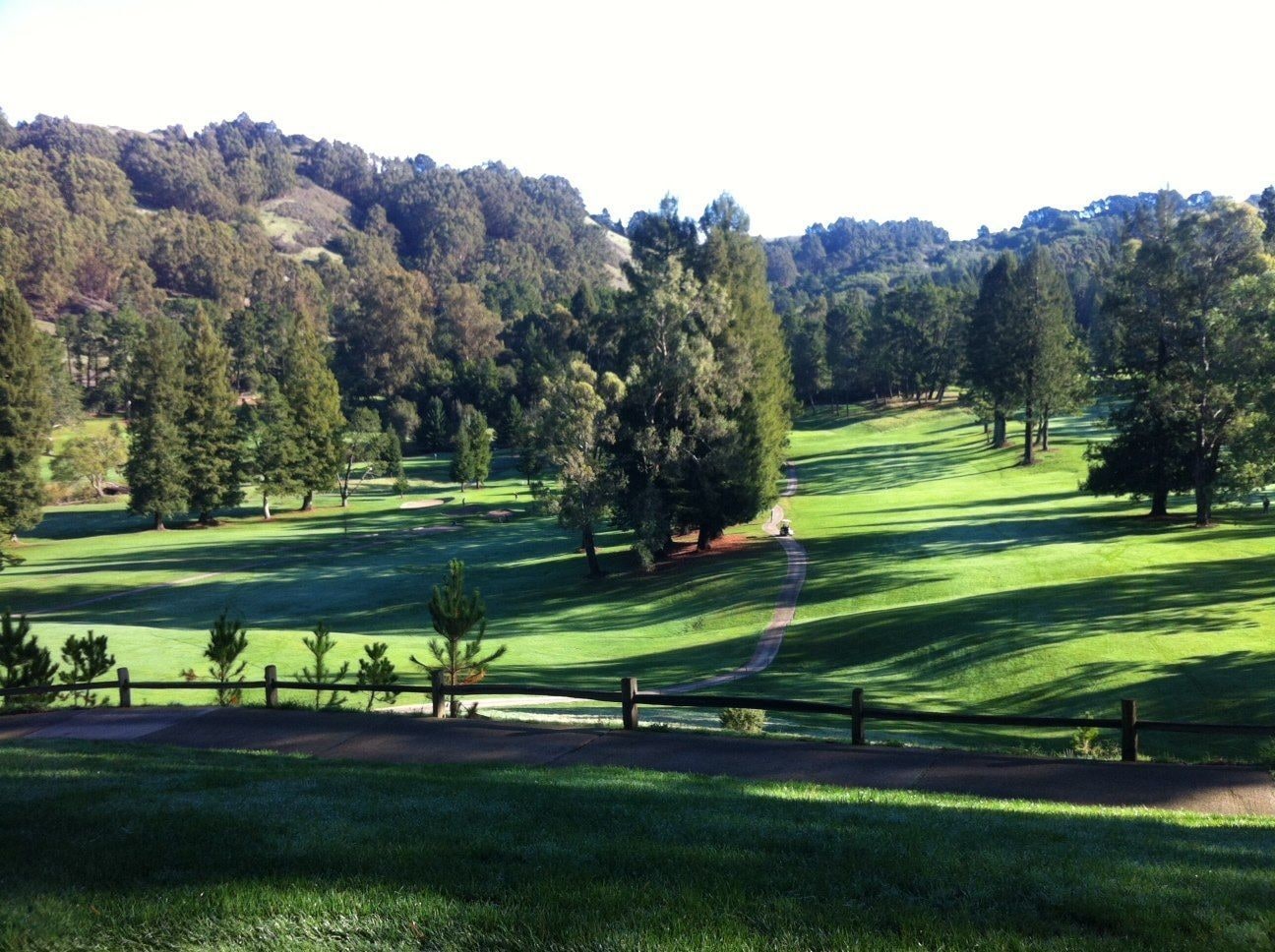
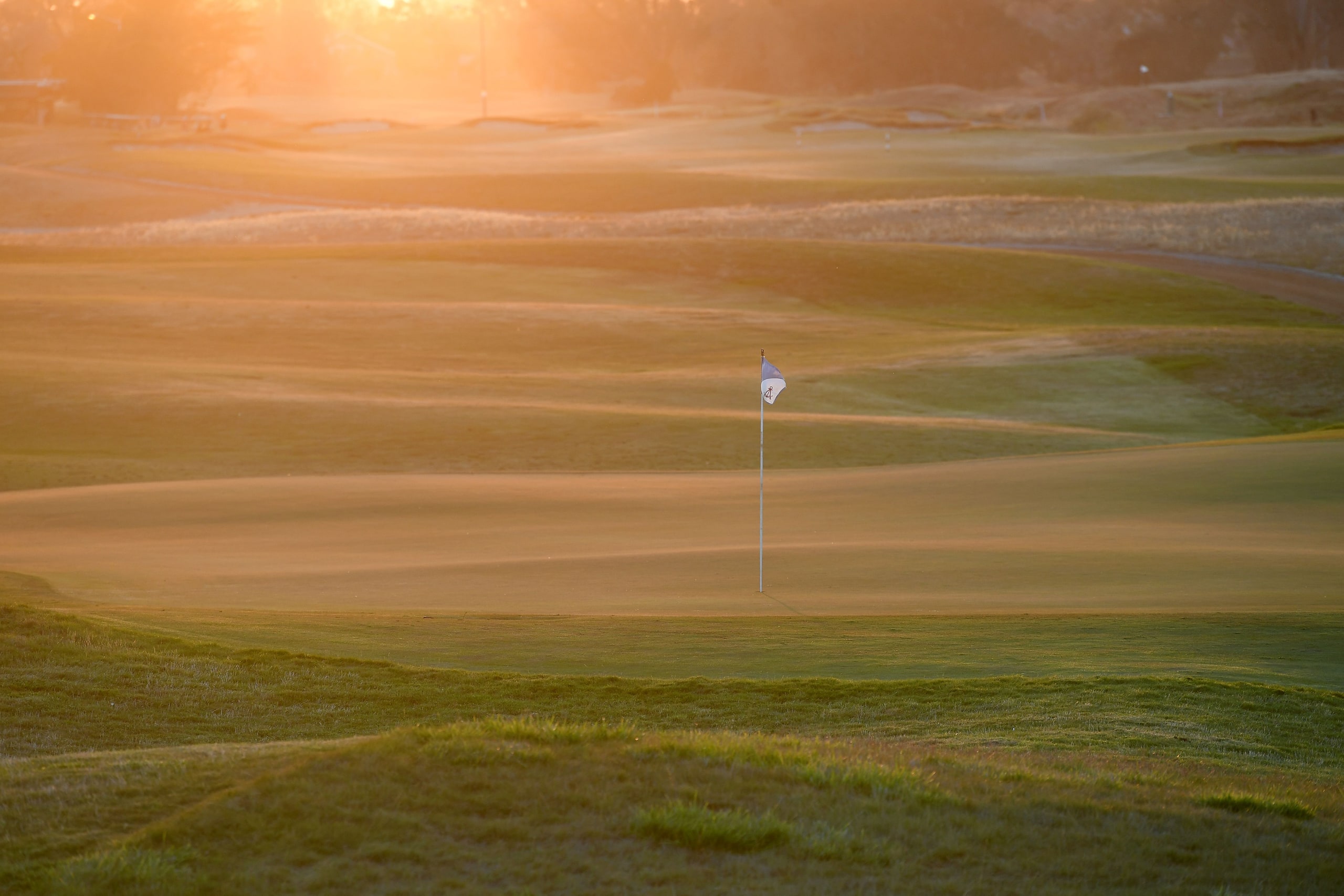
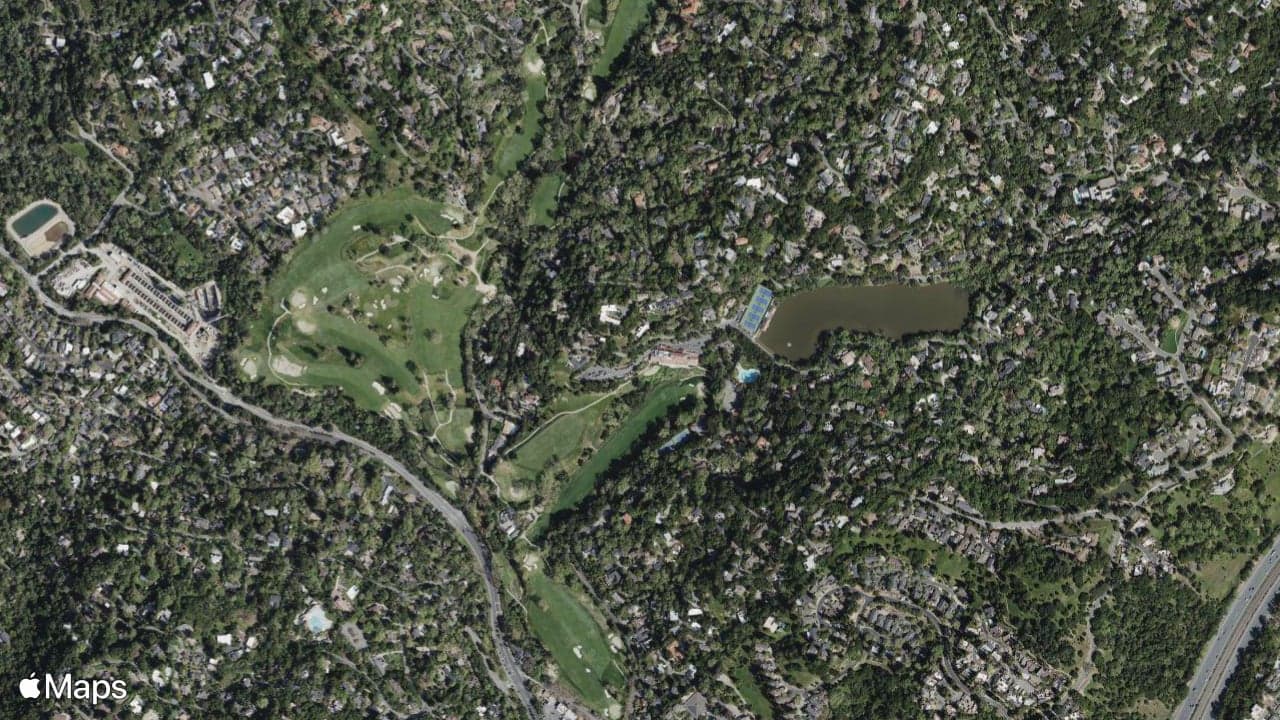
Orinda begins with an argument about a building. In 1924, when Willie Watson came to lay out a course in the foothills east of Berkeley and Oakland, he had a sensible idea about where the clubhouse should go: on a hill near what are now the second, third, and 11th holes, a spot that would have let both nines return home. E.I. DeLaveaga, the owner, wanted something else. He wanted drama. He wanted a bluff above a valley. He won the debate, and Watson built around a decision he did not make. He created an out-and-back routing, so that by the time you reach the ninth green you are about a third of a mile from the clubhouse, deep in the hills. Standing below that clubhouse now, it is hard to wish DeLaveaga had lost. The building is Spanish-Mediterranean, nestled into a rocky promontory as if it had grown there, and it presides over the finish with a kind of patient grandeur. Watson's plan would have brought the golfers home at the turn. DeLaveaga's gave them a destination. The course carries both men in it: the long walk out is the price of the setting, and the setting repays it. The land is severe, but the golf is not long. From the tips Orinda measures just 6,313 yards, and it is not excessively arduous to walk. Lauterwasser and San Pablo creeks come into play at more than half the holes, so the small scale never feels tame. This is a course that is small but fierce, full of chances for creative shotmaking. Watson read hills the way a sculptor reads stone. Todd Eckenrode, who would later restore his work, put it this way: "Watson utilized the hills in a multitude of ways, as turtlebacks, banking side slopes, reversing slopes, and in a fine mix of both uphill and downhill play." The aesthetics and strategy, he said, are "ever-changing" and offer "wonderful variety." He pointed to the wild reverse-boomerang green of the 5th, the drop-shot 8th, the funneling 10th, and the wild roller-coaster uphill 18th, set beneath the grand clubhouse like a final climb toward a hilltop chapel. There is also the short 15th, a hole whose old photograph has long intrigued those who love Golden Age design. By the 2010s much of this had gone dim. Trees had crowded in, rough had choked the ground, and the old shapes were harder to see. In 2015 the club called in Eckenrode of Origins Golf Design for a historically informed renovation nicknamed "Project Watson." He studied images from the club's archives, trying to recapture how the place had looked a hundred years before. Shapers Brett Hochstein and George Waters worked alongside him, as did superintendents Bob Lapic and Josh Smith. Trees and bushes came out. Drainage and irrigation went in. Six greens were built new and ten more were expanded. Every bunker was renovated in the rough-edged style of 1920s Northern California golf, and the green surrounds and approaches were reconstructed, with short grass spreading wider around the putting surfaces. When the work was unveiled in late 2015, it looked less like a renovation than a recovery. Josh Smith is part of the place's character. He oversees ongoing improvements to the course, and he is also an accomplished painter and the co-founder of Flag Bag Golf, which crafts golf bags from customers' pin flags. It seems fitting for Orinda to be kept by someone who sees the course as both a living thing and a picture. That may be the truest way to understand it. Orinda is a painting made by two determined men, one who wanted the golf to make sense and one who wanted the arrival to take your breath away. A century on, it does both.
Quick facts
- Location
- Orinda, CA, USA
- Access
- Private
- Year built
- 1924
- Holes
- 18
- Designer
- Willie Watson
- Par
- 71
- Length
- 6,290 yards
- Difficulty
- 71.2/132
- Course Vaults score
- 8.1
Getting there
Orinda Country Club is most readily accessed via Oakland International Airport (OAK), situated roughly thirty miles to the west, from which the drive unfolds across the San Francisco Bay Area's rolling East Bay hills - a scenic forty-five-minute journey that transitions from urban corridors into the leafy, oak-studded neighborhoods of the Lamorinda enclave. For those arriving by private aircraft, Buchanan Field in Concord (CCR) offers a closer alternative, cutting the ground transfer to under twenty minutes through the same gentle, tree-lined approach. The final miles wind through Orinda's quiet residential streets, where mature oaks frame the entrance to the club, a serene arrival that feels worlds removed from the Bay Area bustle despite its proximity to one of America's most dynamic metropolitan regions.
FAQ
Common questions about Orinda
Ratings, design, and course details pulled from Course Vaults.
Orinda has a Course Vaults score of 8.1 out of 10 based on 22 logged golfers.
Orinda was designed by Willie Watson.
Orinda is listed as private on Course Vaults; guest access is typically restricted.
Par at Orinda is 71.
Orinda plays 6,290 yards from the back tees on Course Vaults.
The slope rating at Orinda is 132.