Start your course passport
Download Course Vaults on iOS and log the next course you play.
Download Course Vaults on iOS and log the next course you play.
Heritage Springs Course


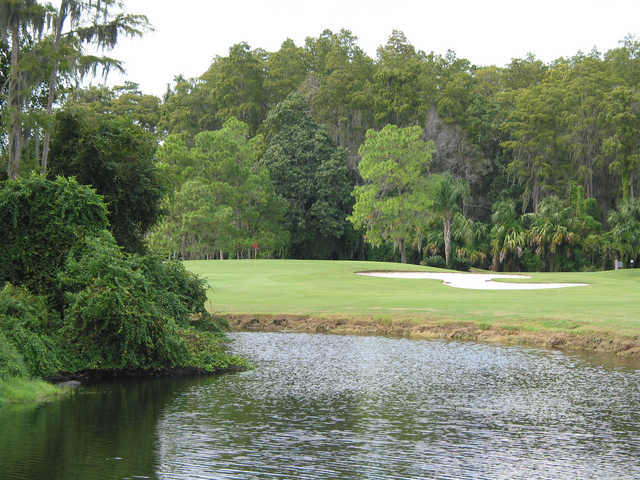
Heritage Springs Golf Club sits in Trinity, a residential community in the northern Tampa Bay area of Pasco County. The course was designed by Ron Garl, a Florida-based architect known for his work throughout the state during the 1980s and 1990s. Garl's designs typically emphasize strategic bunkering and water hazards that reflect the natural wetlands common to Florida's Gulf Coast region. The layout at Heritage Springs incorporates the area's characteristic flat to gently rolling terrain, with water features playing a significant role in the routing. Lakes and retention ponds come into play on multiple holes, requiring golfers to navigate both forced carries and strategic decisions about risk and reward. The course is lined with mature trees and native vegetation that frame fairways and define playing corridors. As a semi-private facility, Heritage Springs serves both members and daily-fee players, functioning as an amenity within the broader residential development. The course provides a straightforward test of golf suited to a range of skill levels, with multiple tee boxes allowing players to adjust the challenge to their abilities. The property reflects the style of golf course development common to Florida's suburban growth during the late twentieth century, where courses were integrated into master-planned communities.

FAQ
Ratings, design, and course details pulled from Course Vaults.
Heritage Springs was designed by Ron Garl.
Heritage Springs is listed as private on Course Vaults; guest access is typically restricted.
Par at Heritage Springs is 71.
Heritage Springs plays 6,132 yards from the back tees on Course Vaults.
The slope rating at Heritage Springs is 127.
Heritage Springs is a 18-hole course.
Heritage Springs Course
Heritage Springs Golf Club sits in Trinity, a residential community in the northern Tampa Bay area of Pasco County. The course was designed by Ron Garl, a Florida-based architect known for his work throughout the state during the 1980s and 1990s. Garl's designs typically emphasize strategic bunkering and water hazards that reflect the natural wetlands common to Florida's Gulf Coast region. The layout at Heritage Springs incorporates the area's characteristic flat to gently rolling terrain, with water features playing a significant role in the routing. Lakes and retention ponds come into play on multiple holes, requiring golfers to navigate both forced carries and strategic decisions about risk and reward. The course is lined with mature trees and native vegetation that frame fairways and define playing corridors. As a semi-private facility, Heritage Springs serves both members and daily-fee players, functioning as an amenity within the broader residential development. The course provides a straightforward test of golf suited to a range of skill levels, with multiple tee boxes allowing players to adjust the challenge to their abilities. The property reflects the style of golf course development common to Florida's suburban growth during the late twentieth century, where courses were integrated into master-planned communities.
Public courses closest to Heritage Springs.
FAQ
Ratings, design, and course details pulled from Course Vaults.
Heritage Springs was designed by Ron Garl.
Heritage Springs is listed as private on Course Vaults; guest access is typically restricted.
Par at Heritage Springs is 71.
Heritage Springs plays 6,132 yards from the back tees on Course Vaults.
The slope rating at Heritage Springs is 127.
Heritage Springs is a 18-hole course.