Composite Course
Royal Melbourne Golf Club


About this course
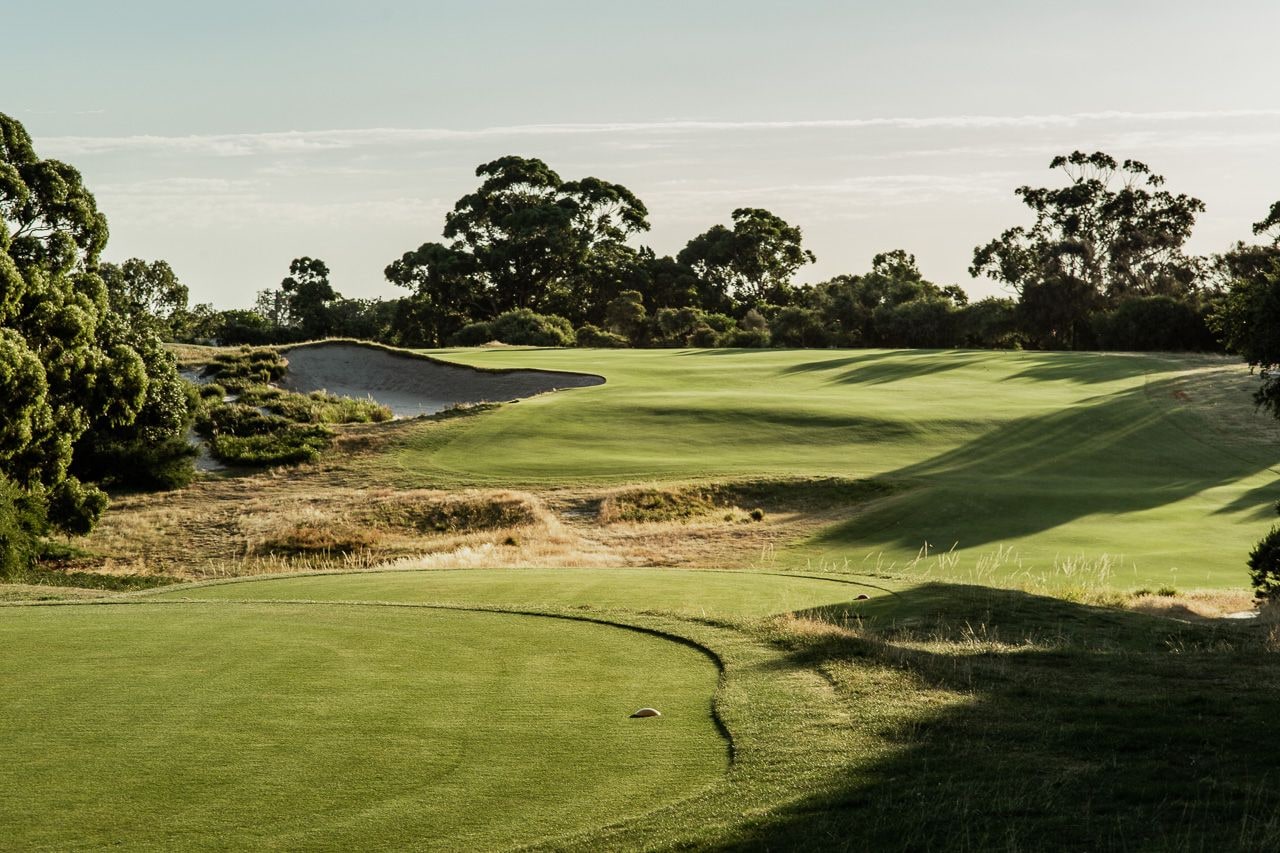
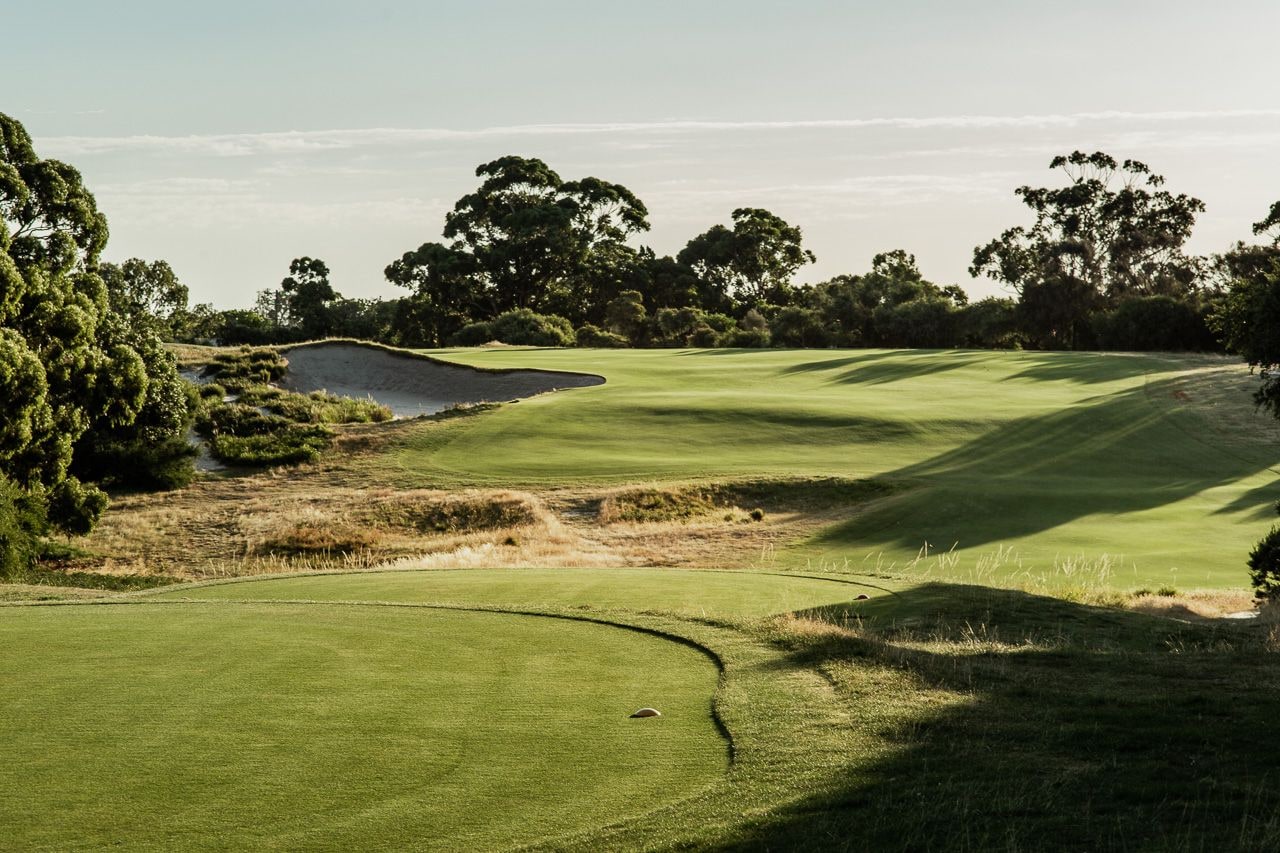
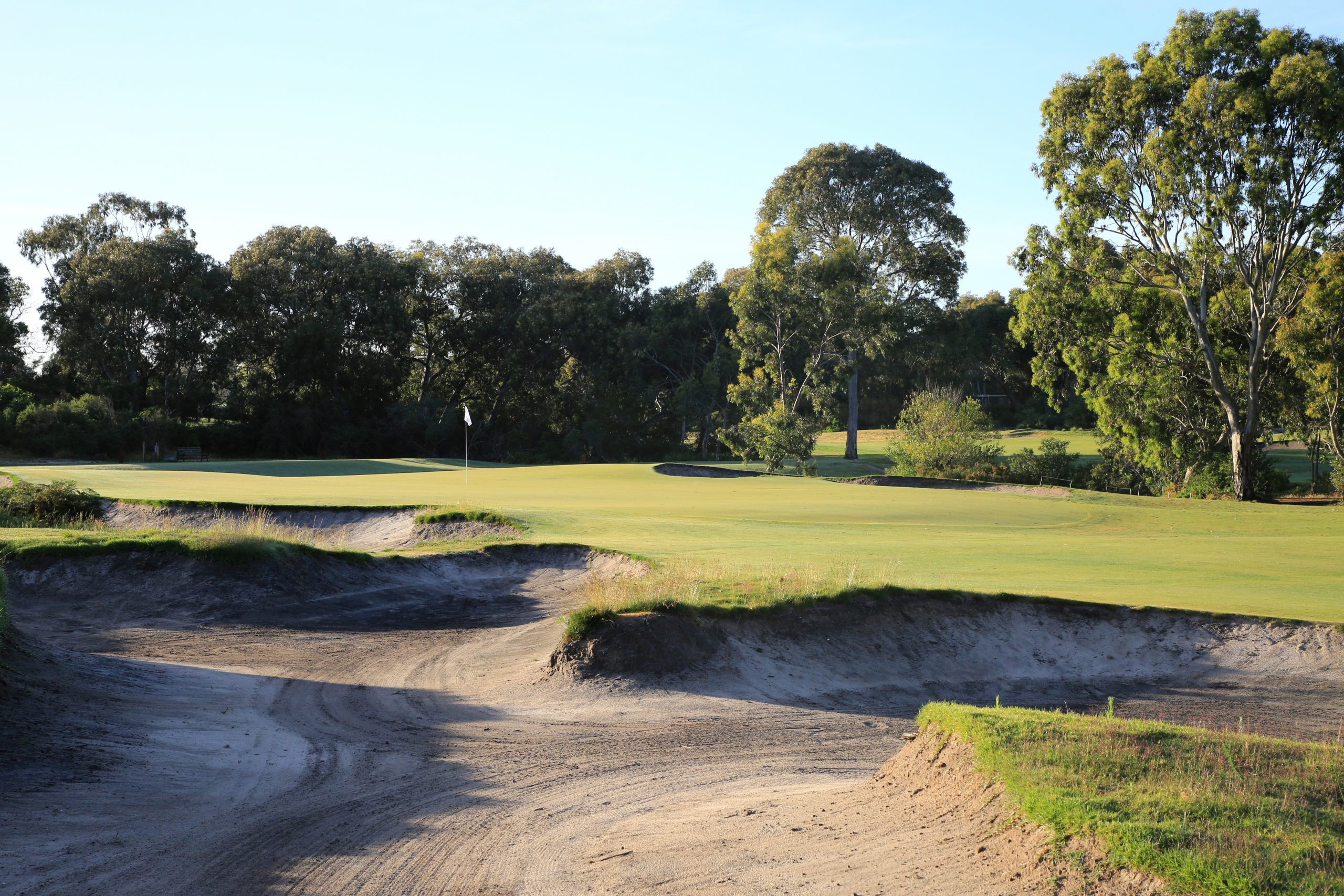
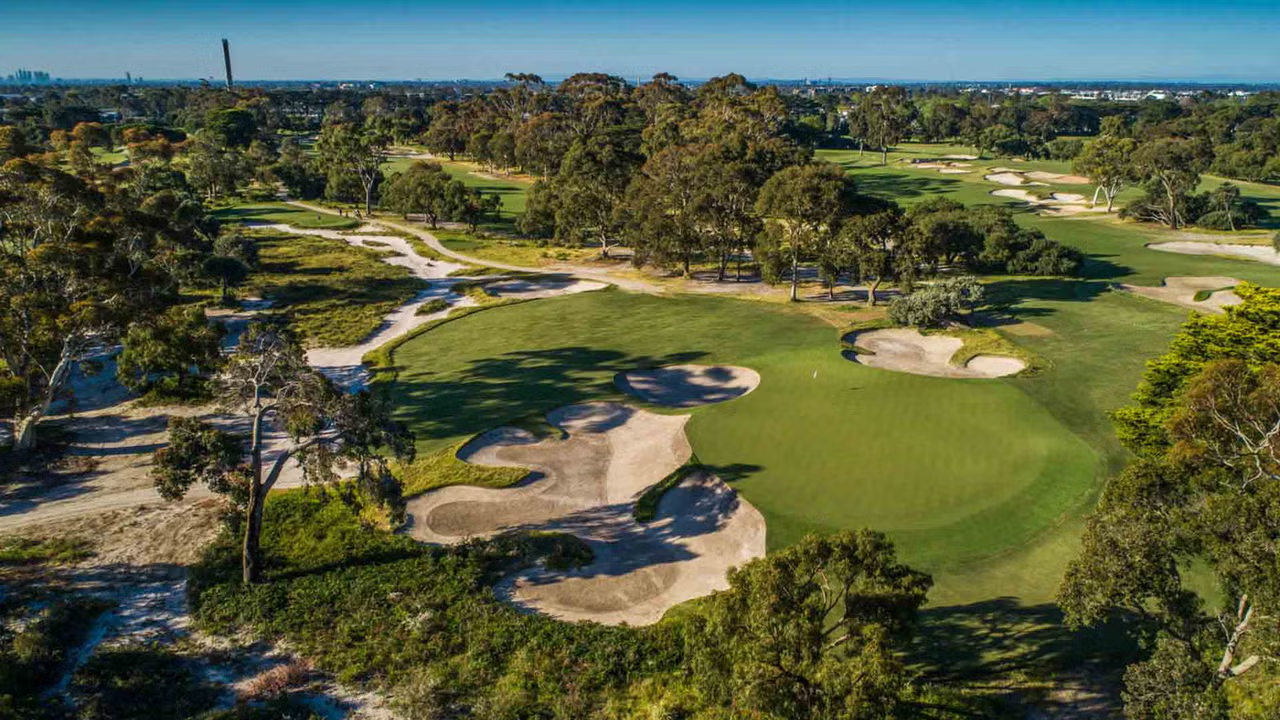
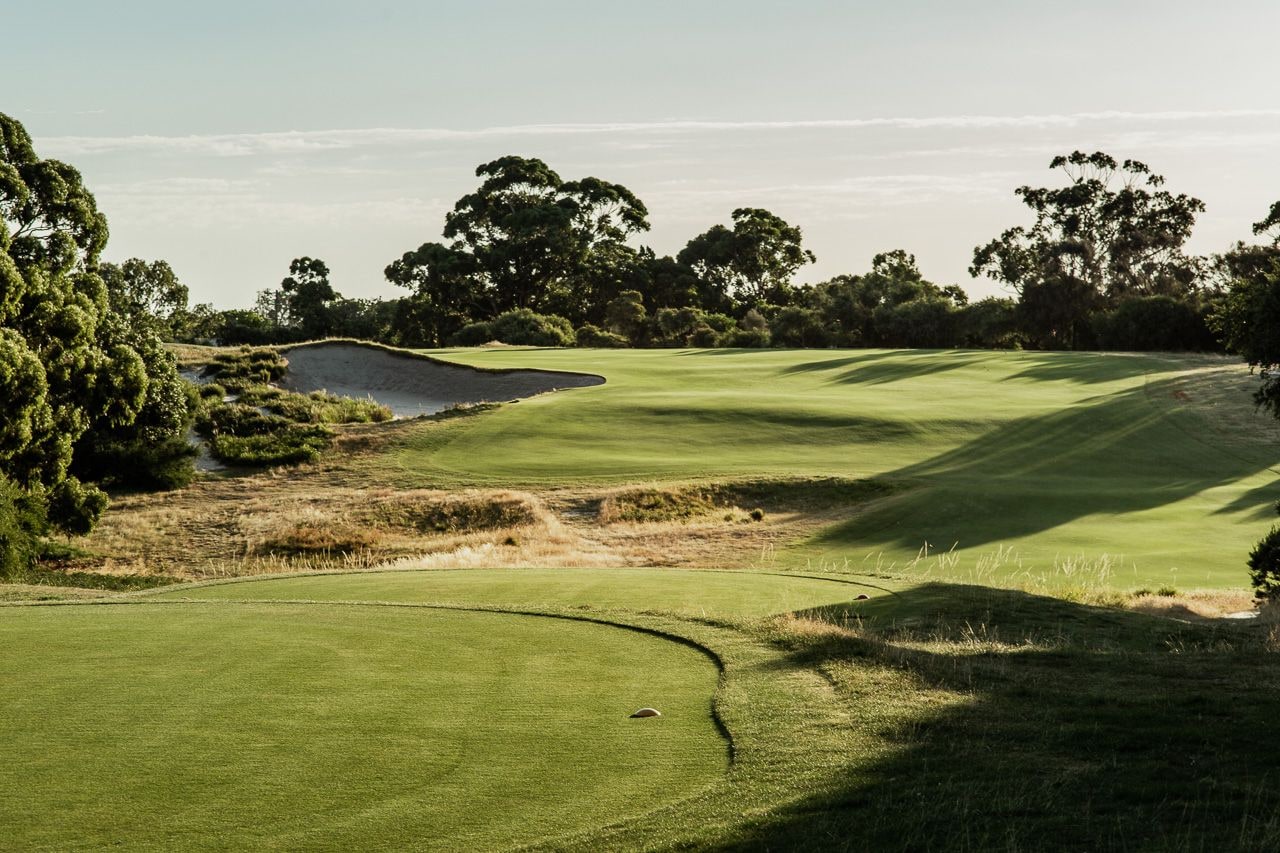
Royal Melbourne's Composite Course combines the finest holes from the club's two championship layouts, the East and West courses, both designed by Alister MacKenzie in collaboration with Australian professional Alex Russell during the late 1920s. The routing typically draws twelve holes from the West Course and six from the East, creating what many consider the definitive test of championship golf in the Southern Hemisphere. This configuration has hosted numerous Australian Opens and international team competitions, including the 1959 Canada Cup (now World Cup) and the 2019 Presidents Cup. The course occupies sandy, heathland terrain in Melbourne's southeastern suburbs, characterized by firm, fast-running conditions and strategic bunkering that rewards precision over power. MacKenzie's design philosophy is evident throughout: wide fairways encourage varied angles of approach, while heavily contoured greens demand careful consideration of pin positions. The bunkering features deep, dramatic faces with minimal maintenance, creating stark visual contrast against the surrounding vegetation of tea-tree, native grasses, and eucalyptus. Notable holes include the par-four sixth from the West Course, a strategic short two-shotter where aggressive play toward the green risks severe bunkering, and the par-three fifth (East), which plays across natural undulation to a plateau green. The composite routing maintains the rhythm and variety MacKenzie intended, with holes flowing naturally across the property's gentle rises and falls. The course consistently ranks among the world's finest layouts, recognized for its strategic design, firm playing conditions, and the purity of its golden-age architecture largely preserved from MacKenzie's original vision.
Quick facts
- Location
- Black Rock, Victoria, AU
- Access
- Private
- Holes
- 18
- Par
- 72
- Length
- 6,407 metres
- Difficulty
- 75.7/141
Getting there
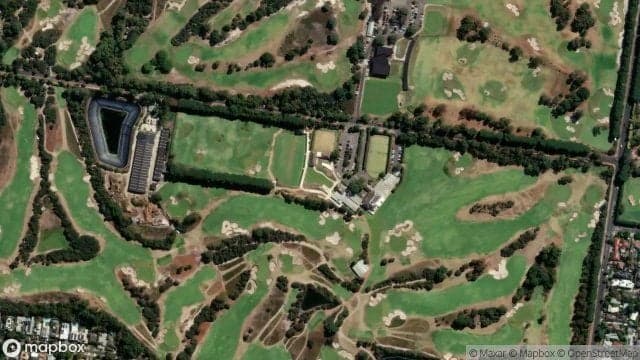
The pilgrimage to Royal Melbourne Golf Club begins at Melbourne Airport, roughly an hour's drive north of the sandbelt, though private arrivals often favor Moorabbin Airport - a discreet gateway just minutes from Black Rock. The route south traces the curve of Port Phillip Bay before turning inland, where suburban Melbourne gradually yields to the quiet, tree-lined streets of the Bayside suburbs and the unmistakable scent of coastal ti-tree. As you approach the club's understated entrance on Cheltenham Road, there is no grand announcement - only the hushed sense that you have arrived at the very soul of Australian golf, where the world's finest sandbelt terrain has been waiting, patient and timeless, since 1891.
FAQ
Common questions about Composite at Royal Melbourne Golf Club
Ratings, design, and course details pulled from Course Vaults.
Composite at Royal Melbourne Golf Club is listed as private on Course Vaults; guest access is typically restricted.
Par at Composite is 72.
Composite plays 6,407 metres from the back tees on Course Vaults.
The slope rating at Composite is 141.
Composite is a 18-hole course.