Sleepy Hollow Course
Sleepy Hollow Golf Course


About this course
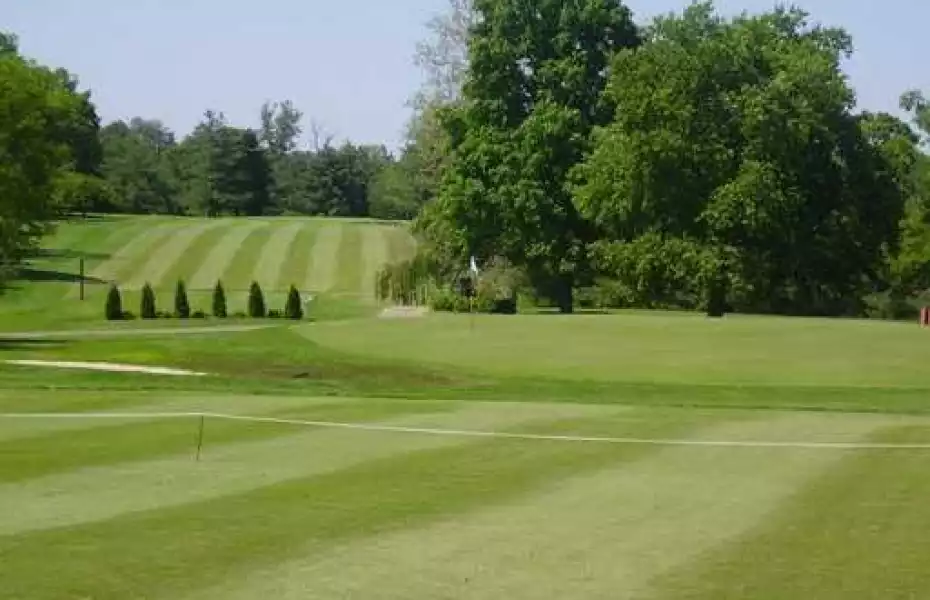
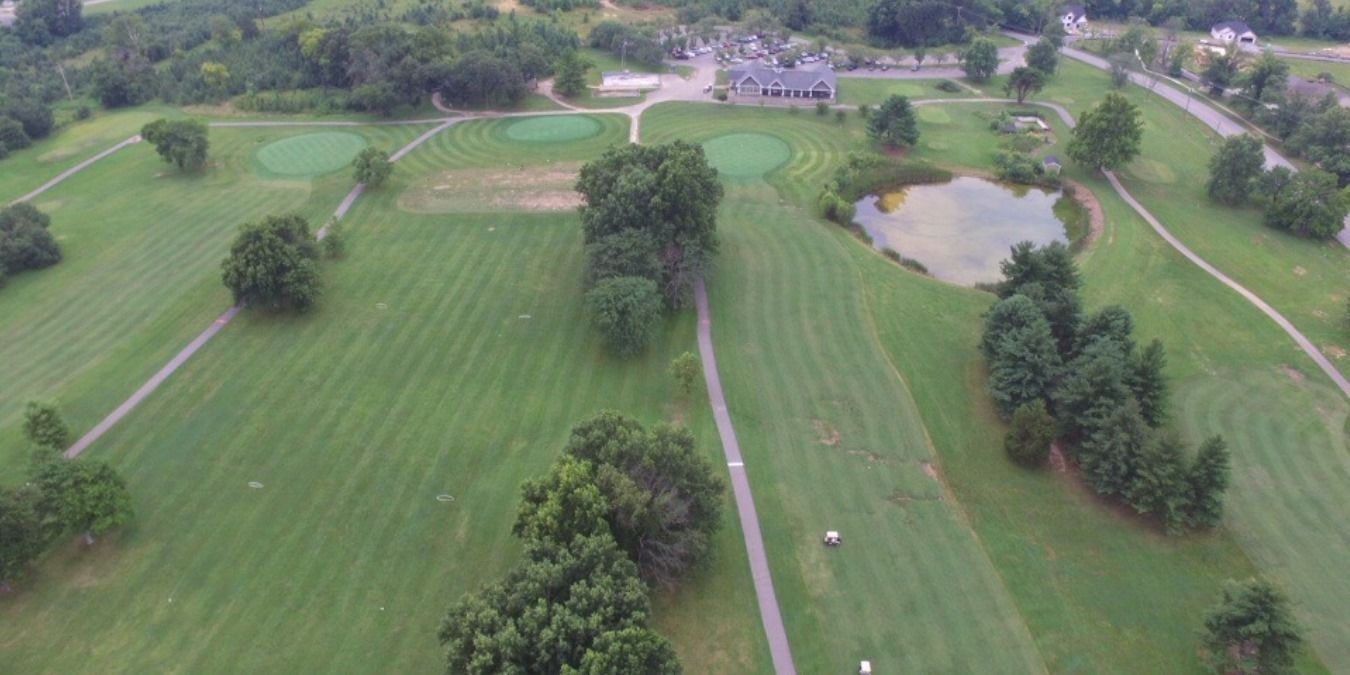
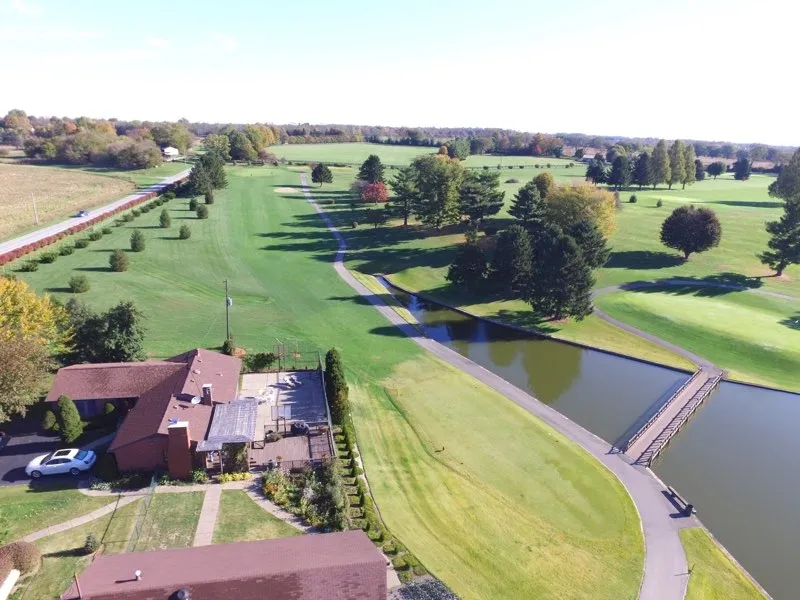
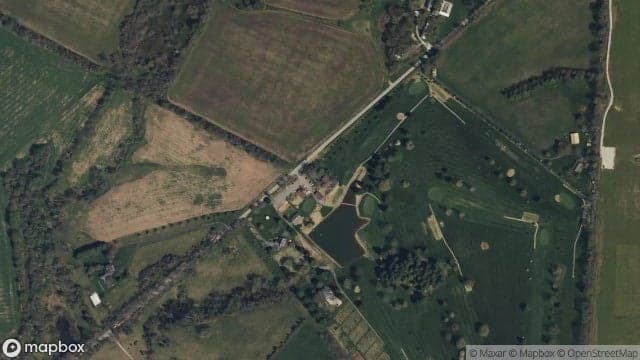
Sleepy Hollow Golf Course in Prospect, Kentucky, was designed by Harold England, a regional architect active in the mid-twentieth century who worked primarily across Kentucky and neighboring states. England's designs typically emphasized playability for everyday golfers while incorporating the natural terrain features of their sites. The course serves the northern Louisville metropolitan area, situated in a region characterized by rolling terrain and mature tree cover common to the Bluegrass State's outer counties. The layout reflects England's practical approach to golf course architecture, routing holes through property that likely features elevation changes and wooded corridors typical of northern Kentucky landscapes. Courses from this era and region generally prioritize straightforward strategic choices—rewarding accurate driving and approach play without excessive length demands. The tree-lined character creates defined playing corridors while the topography introduces natural variety to shot-making requirements. Sleepy Hollow functions as a community course serving local golfers in the Prospect area, which has grown considerably as suburban development has expanded northeast of Louisville. The facility provides accessible golf in a setting that balances the region's natural landscape character with the demands of maintaining a course for regular play. Like many municipal and semi-private courses in Kentucky, it serves as a gathering place for area residents and contributes to the state's strong tradition of neighborhood golf facilities that complement the more prominent championship venues found elsewhere in the region.
Quick facts
- Location
- Prospect, KY, USA
- Access
- Public
- Year built
- 1968
- Holes
- 9
- Designer
- Harold England
- Par
- 36
- Length
- 3,206 yards
- Difficulty
- 36.6/80
- Course Vaults score
- 4.1
Getting there
Louisville Muhammad Ali International Airport lies just twenty minutes northwest of Sleepy Hollow Golf Course, making this a remarkably accessible escape from the urban hum of Kentucky's largest city. The drive southeast traces the outer edge of Louisville's suburbs before slipping into the gently rolling terrain of Oldham County, where horse farms and wooded estates begin to outnumber strip malls. The final turn onto Sleepy Hollow Road feels like crossing an invisible threshold - pavement narrows, canopy thickens, and the course reveals itself as a quiet, tucked-away enclave that has somehow remained insulated from the sprawl pressing in from all sides.
FAQ
Common questions about Sleepy Hollow
Ratings, design, and course details pulled from Course Vaults.
Sleepy Hollow has a Course Vaults score of 4.1 out of 10 based on 15 logged golfers.
Sleepy Hollow was designed by Harold England.
Yes. Sleepy Hollow is listed as welcoming public or guest play on Course Vaults.
Par at Sleepy Hollow is 36.
Sleepy Hollow plays 3,206 yards from the back tees on Course Vaults.
The slope rating at Sleepy Hollow is 80.