HAMPTON GOLF CLUB
🇺🇸 Rochester Hills, MI, USA
Designed by Bill Newcomb
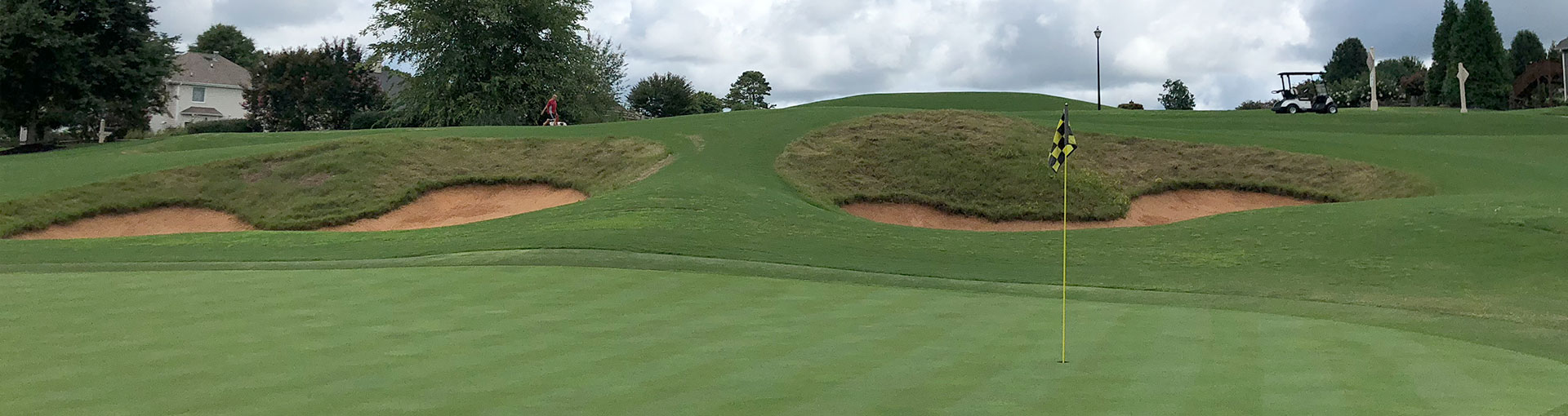
Hampton Golf Club sits in Rochester Hills, a northern suburb of Detroit known for its rolling terrain shaped by glacial activity. The course was designed by Bill Newcomb, a Michigan-based architect who built a regional reputation for routing courses that work with natural landforms rather than imposing dramatic earth-moving. Newcomb's work in the 1960s and 1970s emphasized playability for a range of skill levels while preserving the character of wooded, hilly sites common to Oakland County.
The routing at Hampton takes advantage of elevation changes and mature tree corridors typical of southeastern Michigan golf. The property features hardwoods—oak, maple, and hickory—that frame fairways and create definition without excessive narrowness. Several holes play across or along modest ridges, and the green sites often incorporate subtle tiers or back-to-front slopes that reward accurate approach play. Water comes into play on a handful of holes, though the design does not rely heavily on forced carries.
Hampton serves a membership drawn from the surrounding Rochester Hills and Troy communities. The club maintains a traditional private-club atmosphere, with the course as the central amenity. Conditioning standards are consistent with member expectations for year-round play in Michigan's climate, and the layout remains walkable despite the terrain. The course provides a straightforward test of golf without resort-style presentation, reflecting its origins as a neighborhood club built during a period of suburban expansion in metro Detroit.
Reviews
No reviews yet. Be the first to log a round in the app.
Free on iPhone
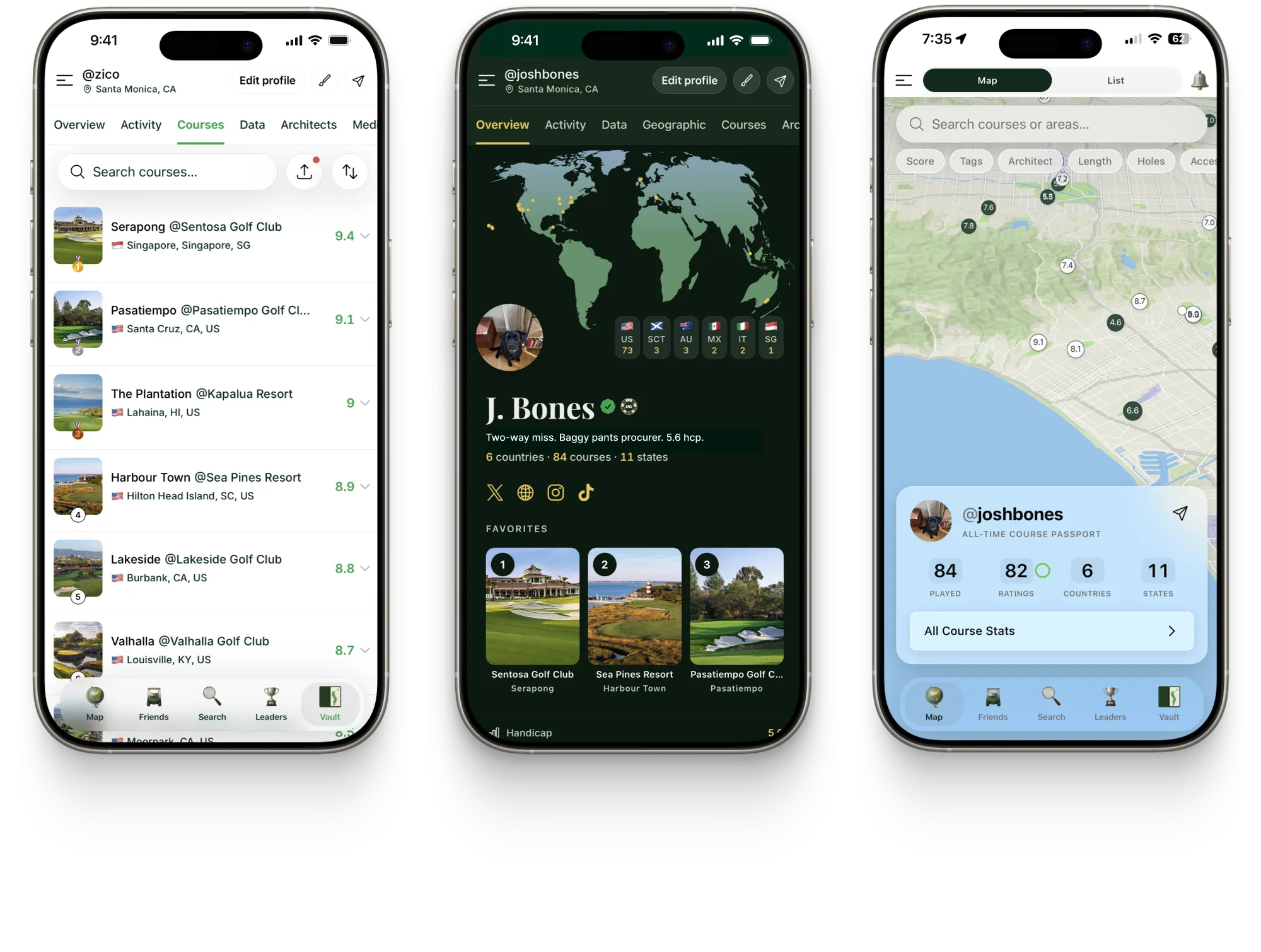
Track where you've played, rate courses, and share lists with friends — the way golfers with logos on the bag keep score.

FAQ
Ratings, design, and course details pulled from Course Vaults.
Hampton was designed by Bill Newcomb.
Yes. Hampton at Hampton Golf Club is listed as welcoming public or guest play on Course Vaults.
Par at Hampton is 33.
Hampton plays 2,274 yards from the back tees on Course Vaults.
Hampton is a 9-hole course.