Start your course passport
Download Course Vaults on iOS and log the next course you play.
Download Course Vaults on iOS and log the next course you play.
Concord Course


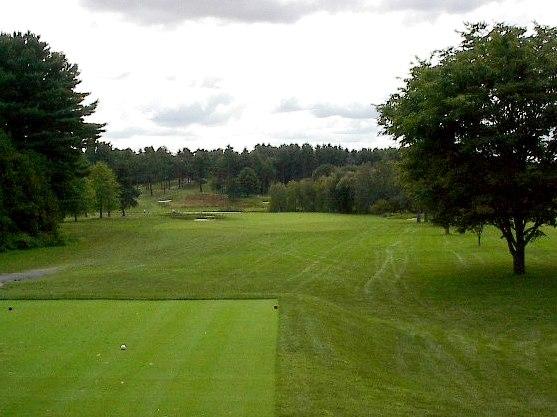
Concord Country Club sits in New Hampshire's capital city, occupying rolling terrain characteristic of the central Merrimack Valley region. The course was designed by Geoffrey Cornish, the Massachusetts-based architect whose prolific New England portfolio spans several decades of the mid-to-late twentieth century. Cornish, often working with partners including William Robinson and Brian Silva at various points in his career, became known for practical, playable layouts that respect natural landforms and suit the climate and membership needs of northeastern clubs. The routing at Concord takes advantage of the property's elevation changes and wooded corridors, typical of Cornish's approach to New England sites. His designs generally emphasize strategic variety over excessive length, with greens that reward accurate approach play and bunkering placed to define preferred angles rather than simply penalize wayward shots. The course serves a traditional private membership and reflects the regional golf culture of New Hampshire, where clubs balance competitive play with year-round social activity despite the constraints of a northern growing season. Concord Country Club functions as a community anchor in the state capital, hosting member events and maintaining the kind of steady, understated presence common to established clubs in smaller New England cities. The course provides a representative example of Cornish's regional work—thoughtful design suited to its landscape and membership, without the fanfare of tournament history or national rankings.
FAQ
Ratings, design, and course details pulled from Course Vaults.
Concord was designed by Geoffrey Cornish.
Concord is listed as private on Course Vaults; guest access is typically restricted.
Par at Concord is 70.
Concord plays 6,539 yards from the back tees on Course Vaults.
The slope rating at Concord is 135.
Concord is a 18-hole course.
Concord Course
Concord Country Club sits in New Hampshire's capital city, occupying rolling terrain characteristic of the central Merrimack Valley region. The course was designed by Geoffrey Cornish, the Massachusetts-based architect whose prolific New England portfolio spans several decades of the mid-to-late twentieth century. Cornish, often working with partners including William Robinson and Brian Silva at various points in his career, became known for practical, playable layouts that respect natural landforms and suit the climate and membership needs of northeastern clubs. The routing at Concord takes advantage of the property's elevation changes and wooded corridors, typical of Cornish's approach to New England sites. His designs generally emphasize strategic variety over excessive length, with greens that reward accurate approach play and bunkering placed to define preferred angles rather than simply penalize wayward shots. The course serves a traditional private membership and reflects the regional golf culture of New Hampshire, where clubs balance competitive play with year-round social activity despite the constraints of a northern growing season. Concord Country Club functions as a community anchor in the state capital, hosting member events and maintaining the kind of steady, understated presence common to established clubs in smaller New England cities. The course provides a representative example of Cornish's regional work—thoughtful design suited to its landscape and membership, without the fanfare of tournament history or national rankings.
Public courses closest to Concord.
FAQ
Ratings, design, and course details pulled from Course Vaults.
Concord was designed by Geoffrey Cornish.
Concord is listed as private on Course Vaults; guest access is typically restricted.
Par at Concord is 70.
Concord plays 6,539 yards from the back tees on Course Vaults.
The slope rating at Concord is 135.
Concord is a 18-hole course.